






What's Happening?
Insulation Overstock, a U.S.-based company, has issued a clarification regarding the term 'overstock' in the context of insulation sales. The company states that its name refers to its pricing strategy, offering products at wholesale rates, rather than
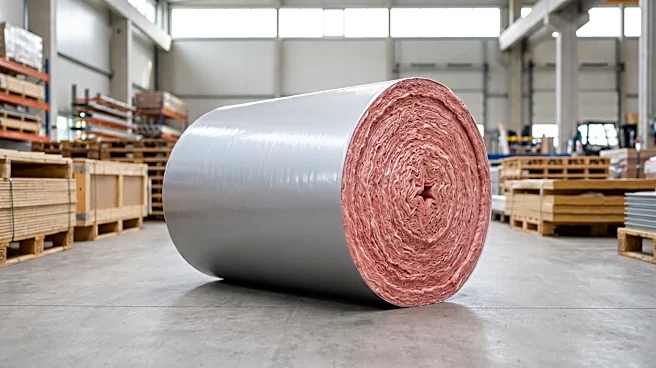
indicating that it sells leftover, second-hand, or returned items. According to Insulation Overstock, every roll of vinyl-faced fiberglass insulation is custom-made to order at a certified U.S. mill and shipped new. This process contrasts with common perceptions of 'overstock' as inventory that has been sitting in a warehouse. The company highlights that genuine 'overstock' in the insulation industry typically arises from specific situations such as canceled orders, discontinued facings, or minor damage to pallets, and such items are usually small in quantity and quickly sold. Insulation Overstock also advises consumers to be wary of perpetual 'clearance sales' and misleading pricing tactics, where advertised discounts are often based on inflated list prices that customers rarely pay.
Why It's Important?
This clarification from Insulation Overstock is important for U.S. consumers and businesses in the construction and insulation sectors. It sheds light on potentially misleading marketing practices within the industry, where terms like 'clearance' and 'overstock' might be used to create a false sense of urgency or value. By explaining that insulation is typically made to order, the company educates buyers on the true nature of the product supply chain, helping them make more informed purchasing decisions. This transparency can foster greater trust between consumers and suppliers. For businesses, understanding these nuances can prevent them from falling for deceptive 'sales' that may not offer genuine savings. The emphasis on comparing per-square-foot prices for specific facings and R-values encourages a more analytical approach to procurement, potentially leading to cost efficiencies and ensuring the quality of materials purchased for projects across the U.S.
What's Next?
In the immediate future, consumers and businesses purchasing insulation are encouraged to adopt a more critical approach to advertised sales. Insulation Overstock suggests directly inquiring about the per-square-foot price for specific product specifications (facing and R-value) rather than relying solely on percentage discounts. The company also provides a tool for comparing these prices against mill wholesale rates, including freight and a fair dealer fee, to determine the true value of a deal. This practice could lead to increased demand for transparent pricing from other insulation suppliers. Furthermore, the company's stance against running traditional sales, instead publishing real-time changes in mill rates, might influence other industry players to re-evaluate their marketing strategies. This could result in a shift towards more straightforward pricing models and a reduction in the prevalence of perpetual 'clearance' events that may not offer genuine savings.
Beyond the Headlines
The issue raised by Insulation Overstock extends beyond the immediate transaction of buying insulation, touching upon broader ethical considerations in retail and marketing. The practice of creating artificial 'sales' by inflating original prices or offering discounts on less desirable 'bait grade' products highlights a systemic challenge in consumer protection. This scenario underscores the need for consumers to be vigilant and well-informed, moving beyond superficial discounts to understand the true cost and value of products. From a legal perspective, while such practices may not always be illegal, they can border on deceptive advertising, prompting discussions about stricter regulations or clearer industry standards for promotional claims. Culturally, this trend reflects a consumer landscape where 'deals' are highly sought after, sometimes at the expense of critical evaluation. The company's effort to demystify the 'overstock' label could contribute to a more educated consumer base, fostering a market where transparency and genuine value are prioritized over perceived bargains.