




What's Happening?
Several luxury resorts across the United States are providing guests with exclusive access to private beaches and a range of high-end amenities. These resorts, including Surf & Sand Laguna Beach in California, The Sanctuary at Kiawah Island Golf Resort
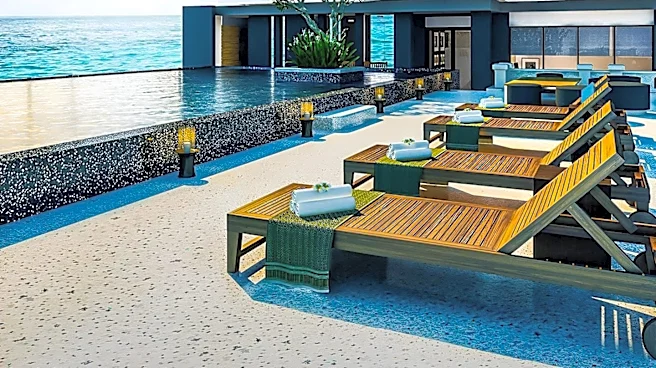
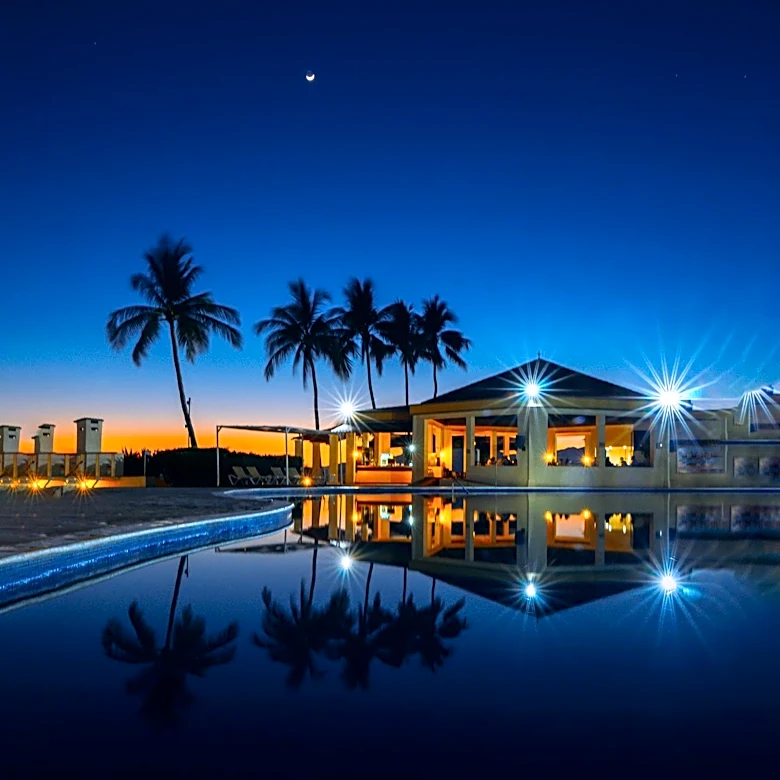
in South Carolina, Ocean House in Rhode Island, The St. Regis Longboat Key Resort in Florida, Gurney’s Montauk Resort & Seawater Spa in New York, Ocean Edge Resort & Golf Club in Massachusetts, Sea Island in Georgia, and Waldorf Astoria Monarch Beach Resort & Club in California, are distinguishing themselves by offering secluded beachfront experiences. Guests can enjoy complimentary chairs and umbrellas, beach food service, and the option to reserve private cabanas. Many of these locations also provide water sports equipment rentals, private lessons, and unique activities such as yacht cruises, beach yoga, and oyster bed tours. The focus is on creating a relaxing and uncrowded environment, often complemented by luxurious accommodations, spa services, and diverse recreational opportunities.
Why It's Important?
The trend of U.S. luxury resorts offering private beach access signifies a growing demand for exclusive and personalized travel experiences. This approach caters to affluent travelers seeking privacy, enhanced service, and a more controlled environment, especially in popular coastal destinations. For the hospitality industry, this strategy allows resorts to command premium pricing and differentiate themselves in a competitive market. It also contributes to local economies by attracting high-spending tourists and creating jobs in specialized service sectors. The emphasis on wellness activities, fine dining, and unique recreational offerings further elevates the standard of luxury travel, potentially influencing broader trends in resort development and guest expectations. This focus on exclusivity and tailored experiences can also lead to increased customer loyalty and positive word-of-mouth marketing for these high-end establishments.
What's Next?
The success of these U.S. luxury resorts in offering private beach access and bespoke experiences is likely to encourage other high-end properties to adopt similar strategies. Future developments may include further investment in private amenities, such as more secluded beach areas, personalized concierge services, and unique cultural or adventure programming. Resorts might also explore partnerships with luxury travel advisors to reach a wider audience of discerning travelers. There could be an increased focus on sustainable luxury, integrating eco-friendly practices with high-end services to appeal to environmentally conscious guests. Additionally, the demand for privacy and exclusivity may lead to the development of more boutique luxury properties or private island resorts within the U.S., further segmenting the market for ultra-high-net-worth individuals seeking unparalleled experiences.
Beyond the Headlines
The rise of private beach access at U.S. luxury resorts reflects a broader societal shift towards valuing exclusivity and curated experiences over mass tourism. This trend has implications for coastal land use and environmental conservation, as private beach ownership and management can impact public access and ecological preservation efforts. Ethically, it raises questions about equitable access to natural resources and the potential for further stratification in leisure activities. Culturally, these resorts often blend local aesthetics with global luxury standards, influencing architectural styles and service philosophies. The long-term impact could include a redefinition of luxury travel, moving beyond opulent amenities to encompass privacy, personalized service, and unique, authentic experiences that are increasingly difficult to find in crowded public spaces. This also highlights the economic power of the luxury market to shape development and tourism infrastructure.