


What's Happening?
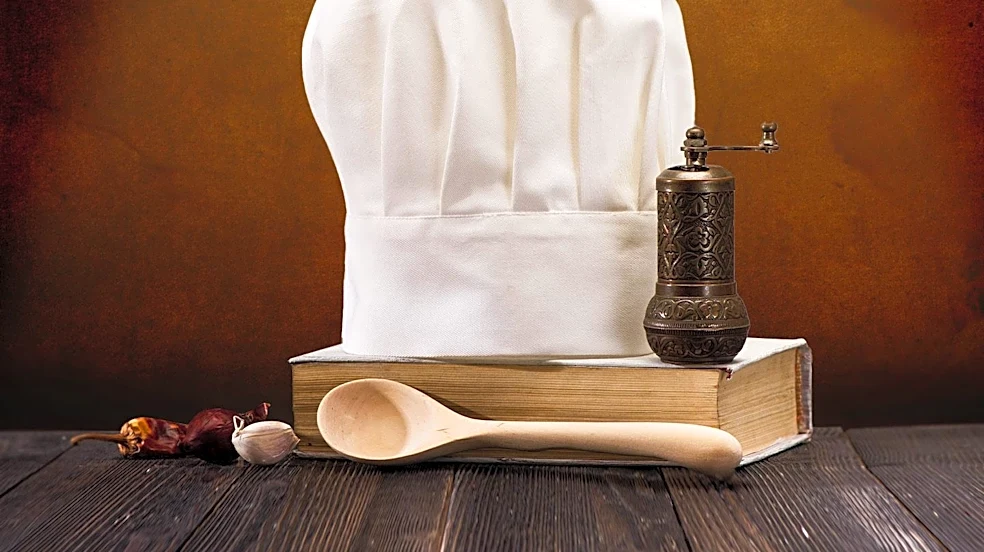
Cookbook author Rosie Grant has embarked on an archival project, culminating in her book 'To Die For,' which collects 'gravestone recipes.' These are recipes so closely associated with departed individuals that they are inscribed on their headstones.
Grant's project began as a digital archives internship at the Congressional Cemetery in Washington, D.C., and has since expanded to include travels across the United States and Nova Scotia. She visits final resting places and connects with families to learn the stories behind these culinary legacies. The book features a variety of recipes, predominantly baked goods, reflecting traditional Americana, alongside more unique inclusions like a WWII-era guava cobbler and the history of Irish coffee. Grant views this project as a way to approach topics of mortality and death through the life-affirming act of sharing food and memories, making difficult conversations more accessible.
Why It's Important?
This project highlights the cultural significance of food and its role in preserving personal and community history. By documenting 'gravestone recipes,' Grant is not only saving culinary traditions but also offering a unique perspective on how individuals are remembered and celebrated. It underscores the idea that food can be a powerful medium for storytelling, connecting generations, and processing grief. The initiative also sheds light on the often-overlooked personal narratives embedded within cemeteries, transforming them from mere resting places into archives of human experience. For many, these recipes represent a tangible link to loved ones, providing comfort and a sense of continuity. The book's focus on Americana and diverse culinary traditions also contributes to a broader understanding of the nation's food heritage.
What's Next?
Rosie Grant's work is expected to continue fostering conversations around food, memory, and mortality. The publication of 'To Die For' will likely encourage more people to explore their own familial food legacies and consider how to preserve them. Grant's approach of using food as a gateway to discuss challenging topics like death could inspire similar initiatives in other cultural or historical contexts. The book may also prompt increased interest in the stories behind historical recipes and the individuals who created them, potentially leading to further archival efforts or community projects focused on culinary heritage. Her work could also influence how people view and interact with cemeteries, seeing them as places of remembrance that offer rich insights into past lives and traditions.
Beyond the Headlines
The 'gravestone recipes' project delves into the profound human need for remembrance and the creative ways individuals and communities honor their dead. It touches upon the ethical dimension of preserving personal histories, particularly those of ordinary people whose legacies might otherwise be lost. The project subtly challenges societal discomfort with discussing death by framing it within the comforting and universal context of food. This approach can help destigmatize conversations about end-of-life planning and the importance of documenting personal histories, not just for practical reasons but for emotional and cultural continuity. It also highlights the power of digital platforms, like TikTok and Instagram, in bringing niche archival projects to a wider audience, demonstrating how modern technology can be used to preserve and share historical and cultural information in innovative ways.