






What's Happening?
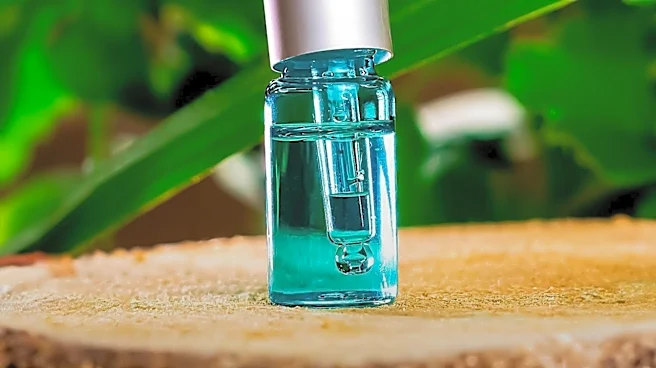
Kimera Labs, through ExaVeyra Sciences, is offering 'Vive,' a topical cosmetic serum containing MSC-derived exosomes, hyaluronic acid, high-potency amino acids, and trehalose. This product is designed for aesthetic use in clinics, specifically as a topical serum applied
after procedures like microneedling, laser treatments, or PRP protocols, and as a step in facial aesthetic programs. Each 5.0 mL vial of Vive contains approximately 2 trillion microvesicles. The serum is formulated with an ambient-stable base, which allows for immediate use without reconstitution, simplifying the preparation process for practitioners. Kimera Labs emphasizes that Vive is for topical cosmetic use only and is not intended to diagnose, treat, cure, or prevent any disease. The company also clarifies that no exosome product has been approved by the FDA for administration to humans, and Vive is supplied for topical aesthetic and research applications, not as a tissue product.
Why It's Important?
The introduction of Vive by Kimera Labs highlights the growing market for exosome-based cosmetic products within the U.S. aesthetic industry. This product offers licensed practitioners a new tool for post-procedure care and facial aesthetic programs, potentially enhancing patient outcomes and expanding treatment options. The emphasis on its 'topical cosmetic use only' status and the explicit statement regarding FDA approval for human administration underscore the regulatory landscape surrounding exosome therapies. This distinction is crucial for practitioners to understand the legal and ethical boundaries of using such products. The convenience of an ambient-stable, ready-to-use serum could streamline clinic operations, making it an attractive option for busy aesthetic practices. However, the lack of FDA approval for internal human administration means that the broader medical applications of exosomes remain under strict regulatory scrutiny, influencing how these products are marketed and utilized in the U.S.
What's Next?
Licensed practitioners interested in Vive can open a wholesale account with ExaVeyra Sciences, which requires NPI verification and confirmation of professional licensure for the destination state. This process ensures that the product is distributed to qualified professionals. Kimera Labs will continue to provide batch-level documentation and lot-specific stability profiles for Vive, maintaining transparency regarding product quality and consistency. The company's ongoing communication about available formats and ordering paths suggests a dynamic market where product offerings may evolve. As the regulatory environment for exosome products continues to develop, Kimera Labs and other manufacturers will likely need to adapt their strategies to comply with any new guidelines or approvals from the FDA, particularly if there are future considerations for broader medical applications beyond topical aesthetics.
Beyond the Headlines
The emergence of products like Vive reflects a broader trend in the aesthetic and medical fields towards leveraging advanced biotechnologies, such as exosomes, for various applications. While Vive is positioned as a cosmetic product, the underlying exosome technology has significant potential in regenerative medicine. The careful regulatory positioning by Kimera Labs—explicitly stating 'topical cosmetic use only' and the absence of FDA approval for human administration—underscores the ethical and legal complexities surrounding novel biological therapies. This situation highlights the tension between rapid scientific innovation and the need for rigorous safety and efficacy evaluations by regulatory bodies. The market for exosome-based products is likely to expand, prompting ongoing discussions about their classification, appropriate use, and the necessary oversight to protect public health while fostering scientific advancement.