








What's Happening?
A recent study by fintech firm Self Financial indicates that grocery delivery services can add a substantial premium to a household's annual food budget, potentially costing an additional $1,707 per year. The study compared the cost of 29 common grocery products
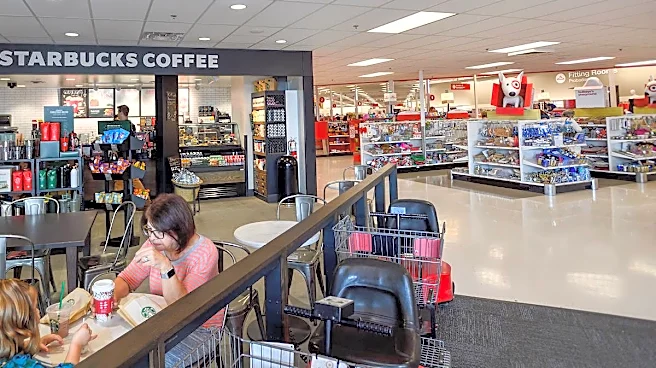
purchased directly from Target with the same items ordered through Uber Eats. The delivered basket cost $153.28, while the in-store purchase, including estimated gasoline expenses, amounted to $120.58. This represents a $32.70 difference, or a 21.3% premium for delivery. The analysis found that 27 of the 29 products were cheaper when bought in-store, with individual items averaging 14.1% higher prices through Uber Eats, even before additional delivery, service fees, and taxes, which added another $14.31 to the bill. This suggests that the higher cost is not solely due to delivery charges but also includes markups on the products themselves.
Why It's Important?
This significant price disparity between in-store and delivered groceries has major implications for consumer spending and household budgets, especially as many Americans are increasingly price-sensitive. While grocery delivery offers undeniable convenience, particularly for busy families, the elderly, or those with mobility limitations, the study highlights that this convenience comes at a considerable financial cost. For households actively managing their grocery budgets, an additional $1,707 annually is a substantial amount that could otherwise be allocated to other necessities or savings. The findings also raise questions about price transparency and how retailers' price reputations are perceived when third-party delivery platforms are involved. Consumers may attribute higher prices to the retailer rather than the delivery service, potentially damaging the retailer's brand image. This situation challenges the sustainability of the online grocery boom, which is projected to reach $500 billion before the end of the decade, if the economic model becomes too expensive for the average consumer.
What's Next?
The study suggests that the online grocery industry needs to find a more intelligent balance between convenience, transparency, and affordability to ensure long-term sustainability. Retailers may need to re-evaluate their partnerships with third-party delivery services and consider how pricing models, membership benefits, and promotional offers are represented across digital channels. Curbside pickup is highlighted as a potential competitive differentiator, as it eliminates last-mile delivery expenses while still offering significant time savings for customers. Transparent pricing is crucial, meaning customers should be clearly informed about any price differences for delivered items before checkout. Retailers also need to understand the full economics of their delivery relationships, focusing on what customers actually pay rather than just the sales generated. The industry will likely see continued innovation in delivery models and pricing strategies as businesses strive to meet consumer demand for convenience without alienating price-sensitive shoppers. The long-term success of digital grocery will depend on its ability to offer value that consumers perceive as reasonable, rather than just growth in order volume.
Beyond the Headlines
The findings of this study delve into the evolving dynamics of consumer behavior and the digital economy. It underscores a growing tension between the desire for convenience, fueled by technological advancements, and the fundamental need for affordability, especially for essential goods like groceries. This situation could lead to a segmentation of the market, where grocery delivery becomes a premium service primarily for those who can afford the significant markup, while in-store shopping remains the more economical option for the majority. Ethically, the practice of charging higher prices for delivered goods, beyond just delivery fees, raises questions about equitable access to services and the potential for digital platforms to create economic barriers. The challenge for retailers and delivery platforms will be to develop models that are economically viable for them while also being perceived as fair and transparent by consumers, potentially leading to new regulatory discussions around pricing practices in the digital marketplace.