






What's Happening?
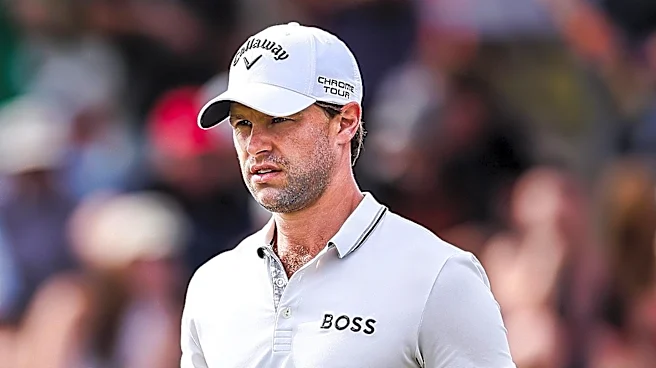
Good Good Golf, a prominent golf YouTube channel and brand, has announced the departure of its co-founder and CEO, Matt Kendrick, and its president, Joe Flannery. This development follows a weeks-long scandal stemming from a controversial advertisement
for a new driver co-branded with Callaway. The ad, released on Callaway’s social media channels, depicted Good Good founder Garrett Clark tackling a woman who touched his golf club. The ad was met with immediate widespread criticism for promoting violence against women, leading Callaway to quickly pull it. Subsequent apologies from Good Good, including an eight-minute video from Clark explaining the ad was intended as a parody, failed to mitigate the negative fallout. Many of Good Good's partners and sponsors began to sever ties with the brand. The situation escalated when Kendrick posted on social media, alleging that Callaway had approved the ad and then dropped them in a 'coordinated media blitz.' This crisis has already led to firings at both Callaway and Good Good, with Kendrick and Flannery's departures being the latest and most significant changes in leadership.
Why It's Important?
The departure of Good Good Golf's CEO and President signifies a critical turning point for the company and highlights the severe repercussions of mishandling public relations and brand image in the digital age. This incident serves as a stark case study for how quickly a successful brand, built largely on social media presence, can face significant damage due to a single misstep. The immediate and widespread negative reaction to the ad, coupled with the subsequent loss of partnerships, underscores the heightened scrutiny brands face regarding their messaging and values. For the golf industry, this event may prompt other brands and content creators to re-evaluate their advertising strategies and ensure their content aligns with broader societal values, particularly concerning gender representation and the avoidance of violence. The incident also demonstrates the power of public opinion and the rapid dissemination of information on social media in shaping brand perception and ultimately influencing leadership decisions.
What's Next?
Good Good Golf will likely focus on rebuilding its brand image and regaining trust from its audience and potential partners. The company will need to implement new leadership and potentially revise its content creation and approval processes to prevent similar incidents. The departure of key figures like Kendrick and Flannery suggests a strategic move to distance the brand from the controversy and signal a new direction. It remains to be seen how the golf community and former partners will react to these leadership changes and whether Good Good can successfully navigate this crisis to retain its market position. The incident may also lead to increased scrutiny from other brands when considering collaborations with social media influencers and content creators, emphasizing the importance of due diligence in partnership selections.
Beyond the Headlines
This incident extends beyond a simple advertising misstep, touching upon broader themes of corporate responsibility, gender representation in media, and the evolving landscape of digital content creation. The ad's depiction of violence against women, even if intended as parody, sparked a crucial conversation about the impact of such imagery and the responsibility of brands to promote positive messages. The rapid and severe backlash reflects a growing societal intolerance for content that can be perceived as misogynistic or harmful. Furthermore, the crisis highlights the precarious nature of influencer-led brands, where the actions and content of individuals can directly impact the entire enterprise. It underscores the need for robust ethical guidelines and oversight within content creation teams, especially when dealing with sensitive topics. The downfall of Good Good, as a case study, will likely be examined by marketing and public relations professionals for years to come, offering lessons on crisis management and the critical importance of aligning brand messaging with ethical standards.