








What's Happening?
Registered dietitians Alex Larson and Abbie Gellman have provided insights into the nutritional aspects of pizza and optimal methods for reheating leftovers. According to Larson, tomato-based pizza sauce contains lycopene, an antioxidant linked to reduced
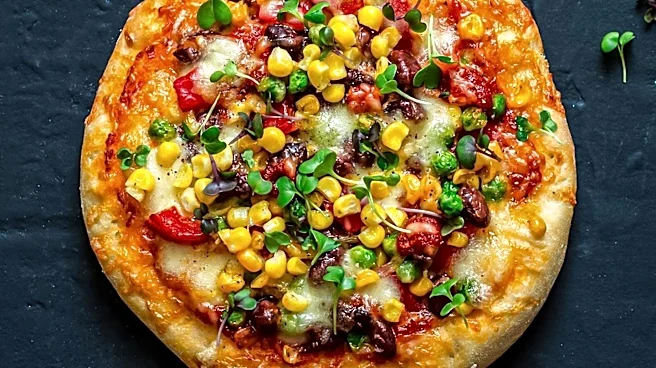
inflammation and heart health, along with potassium, vitamins A, and C. Cheese contributes protein and calcium, essential for muscle and bone health. Gellman highlights that vegetable and fruit toppings, such as tomatoes, bell peppers, spinach, and mushrooms, add fiber and various nutrients like vitamins A, C, K, potassium, and folate. Leaner meat toppings like prosciutto or tiny meatballs can increase protein content, which is important for muscle maintenance and satiety. Whole-wheat or whole-grain crusts offer more fiber and micronutrients like magnesium compared to refined white flour crusts. While pizza can be a source of important nutrients, dietitians emphasize moderation due to high calorie, saturated fat, and sodium content in some varieties. Processed meat toppings like pepperoni and sausage are also noted for their potential health risks.
Why It's Important?
This information is important for U.S. consumers as it provides a balanced perspective on a widely consumed food item. With Americans eating an estimated 350 slices of pizza every second, understanding its nutritional benefits and drawbacks can help individuals make more informed dietary choices. The guidance on portion control and ingredient selection directly impacts public health, potentially mitigating risks associated with excessive intake of calories, saturated fat, and sodium, which are linked to heart disease and stroke. The discussion on processed meats aligns with broader public health recommendations regarding cancer risk. Furthermore, practical advice on reheating pizza safely and effectively can reduce food waste and ensure food safety, which is a significant concern for households across the country. This expert advice empowers consumers to enjoy pizza as part of a balanced diet rather than viewing it as an 'off-limits' food.
What's Next?
Consumers are encouraged to apply these dietary recommendations when selecting and preparing pizza. This includes opting for thinner, whole-grain crusts, maximizing vegetable toppings, and choosing leaner protein sources. The advice on reheating methods suggests a shift towards using skillets, ovens, or air fryers for better texture and food safety, rather than solely relying on microwaves. Food safety guidelines from the U.S. Department of Agriculture, recommending refrigeration within two hours and consumption within three to four days, will likely continue to be emphasized. Educational efforts from health organizations and dietitians may further promote these practices to improve public health outcomes related to diet and food handling. The ongoing availability of diverse pizza options in the U.S. market means consumers will continue to have choices that can align with these nutritional guidelines.
Beyond the Headlines
The discussion surrounding pizza's nutritional value and consumption habits reflects a broader societal trend towards healthier eating and increased awareness of food's impact on well-being. The emphasis on moderation and informed choices highlights a cultural shift away from unrestricted consumption towards mindful eating. This perspective also touches upon the ethical considerations of food production, particularly concerning processed meats and their classification as carcinogens, which could influence consumer demand and industry practices over time. The practical advice on reheating pizza underscores the importance of food literacy and home economics in everyday life, promoting both health and sustainability by reducing food waste. This comprehensive approach to a popular food item illustrates the evolving relationship between diet, health, and lifestyle in the U.S., encouraging a more holistic view of food consumption.