

What's Happening?
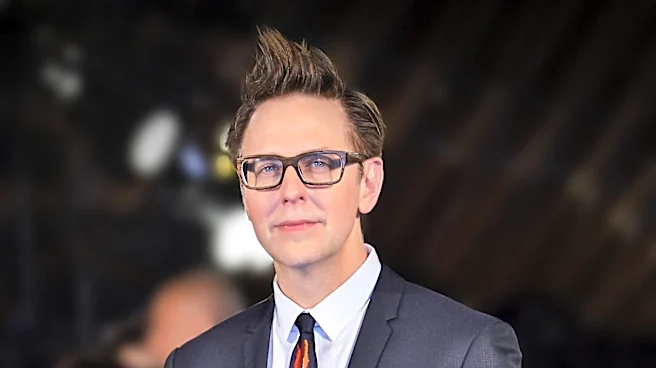
On 'The Bobby Bones Show' podcast, specifically 'MOVIE MIKE'S MOVIE PODCAST,' host Mike discussed James Gunn's departure from DC and the future of the studio's superhero projects. Mike analyzed DC's performance over the past four years, noting their struggles
to compete with Marvel. The discussion also covered a list of the top 10 canceled superhero movies that will not be released. Additionally, the podcast reviewed the film 'How to Rob A Bank,' starring Nicolas Hoult, which depicts bank robbers posting their heists on social media, leading to a police chase. Mike commented on the movie's initial appeal but ultimate failure to become a significant film, and questioned why Pete Davidson did not achieve A-list movie star status as anticipated. The episode also featured a segment on Netflix’s 'Bad Day,' starring Cameron Diaz, where Mike discussed the financial incentives for her return to acting and the potential scarcity of A-list stars in Hollywood.
Why It's Important?
The discussion on James Gunn's exit from DC is significant for the entertainment industry, particularly for the superhero film genre. DC's ongoing struggle to compete with Marvel, as highlighted in the podcast, reflects broader challenges in franchise management and creative direction within major studios. The cancellation of numerous superhero movies indicates a shifting landscape in film production, potentially due to audience fatigue, financial constraints, or strategic re-evaluations. The analysis of 'How to Rob A Bank' and the careers of actors like Nicolas Hoult and Pete Davidson offers insights into current trends in film success and star power. Furthermore, the segment on Cameron Diaz's return to acting and the discussion about the scarcity of A-list stars underscore evolving talent dynamics and compensation structures in Hollywood, impacting future film productions and audience engagement.
What's Next?
The departure of James Gunn from DC suggests a potential restructuring or re-evaluation of DC's cinematic universe strategy. Future DC projects will likely be under new creative leadership, which could lead to a different approach in storytelling and character development. The ongoing competition between DC and Marvel will continue to shape the superhero film market, with both studios likely adapting their strategies to capture audience interest. The trend of canceled superhero movies may persist, indicating a more selective approach to greenlighting projects in the genre. For actors like Cameron Diaz, the financial incentives for returning to acting could influence other established stars to consider similar comebacks, potentially altering the talent pool available for major productions. The industry will continue to monitor the performance of new releases and the emergence of new A-list talent to address the perceived shortage.
Beyond the Headlines
The podcast's discussion touches upon deeper implications within the entertainment industry, including the creative control and artistic vision within major film franchises. The struggle of DC to rival Marvel could be indicative of a broader challenge in maintaining consistent quality and audience engagement across a shared cinematic universe. The phenomenon of canceled superhero movies might reflect a saturation point in the market, prompting studios to reconsider the viability of certain projects. The financial aspects of bringing back established stars, such as Cameron Diaz, highlight the economic pressures and strategic decisions studios face in attracting talent and ensuring box office success. This also raises questions about the sustainability of relying on a limited pool of A-list actors and the need for new talent development. The evolving landscape of film production, influenced by streaming services and changing audience preferences, continues to reshape how movies are made, marketed, and consumed.