
What's Happening?
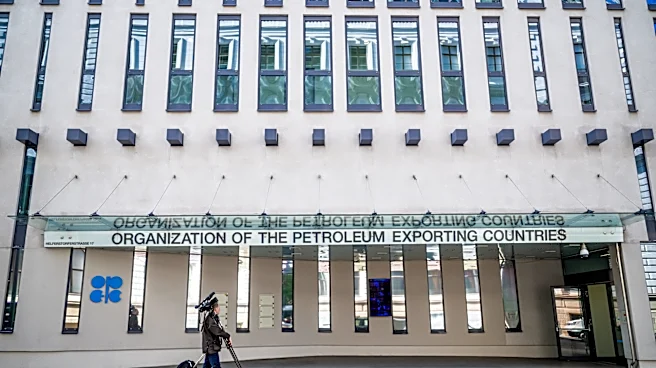
OPEC+ oil ministers are set to convene at the end of the month for what is described as their most consequential supply decision of the year, as they plan production levels for 2027. The alliance faces
significant internal pressures, including the recent departure of the United Arab Emirates due to frustrations over production limits and Iraq's persistent demands for a higher production quota. A comprehensive external review of members' maximum sustainable oil production capacity, conducted by Dallas-based consultants DeGolyer and MacNaughton Corp., has been completed. The findings of this review are crucial as they will establish new baselines for future production targets, with higher assigned capacities strengthening a country's claim for increased output. However, members have only received their own results, not a full list of all members' capacities, leading to uncertainty ahead of the meeting. The discussions occur amidst extraordinary market uncertainty, including predictions of a potential oil surplus in 2027, rising production from non-OPEC+ rivals like the U.S. and Guyana, and fluctuating global demand.
Why It's Important?
This upcoming OPEC+ decision holds significant implications for global oil markets, energy prices, and the economies of both oil-producing and oil-consuming nations. The group's strategy for 2027 will influence the balance between supply and demand, directly affecting crude oil prices. A decision to increase supply could lead to lower prices, benefiting consumers and industries reliant on oil, but potentially reducing revenues for petro-states. Conversely, maintaining or reducing supply could drive prices higher. The internal strains, particularly Iraq's push for higher quotas and the UAE's exit, highlight the challenges in maintaining cohesion within the alliance, which could impact its effectiveness in stabilizing the market. The outcome will also signal OPEC+'s long-term strategy in response to growing production from rivals and the evolving geopolitical landscape, including the potential resolution of regional conflicts that could bring more oil to the market.
What's Next?
The OPEC+ meeting will focus on digesting the results of the capacity audit and establishing new production targets for 2027. Key discussions will revolve around how to integrate these new baselines into future quotas and address the demands of members like Iraq. While the immediate impact on short-term oil supply might be limited, the decisions made will shape the group's overall production policy for the coming year. The ministers will also need to consider the broader market outlook, including forecasts for global oil consumption and production from non-OPEC+ sources. The potential for a market surplus in 2027, as predicted by organizations like the International Energy Agency, will likely influence their cautious approach to increasing output. The ongoing geopolitical situation in the Middle East, particularly regarding the Strait of Hormuz, will also remain a critical factor influencing supply decisions and market stability.
Beyond the Headlines
The internal dynamics within OPEC+ reveal a complex interplay of economic necessity, national ambition, and geopolitical strategy. The push by individual members for higher production quotas reflects their need to maximize revenue for domestic development and stability, often clashing with the collective goal of market management. The use of external audits for production capacity, while aiming for objectivity, has introduced new points of contention and transparency issues, as members are not fully privy to each other's assessed capacities. This lack of full transparency could further fuel distrust and internal divisions. The increasing assertiveness of some members and the departure of others signal a potential shift in the power balance within the alliance, which could lead to a less unified and more unpredictable OPEC+ in the future. The long-term effectiveness of OPEC+ in influencing global oil markets will depend on its ability to navigate these internal pressures while adapting to a rapidly changing global energy landscape.