



What's Happening?
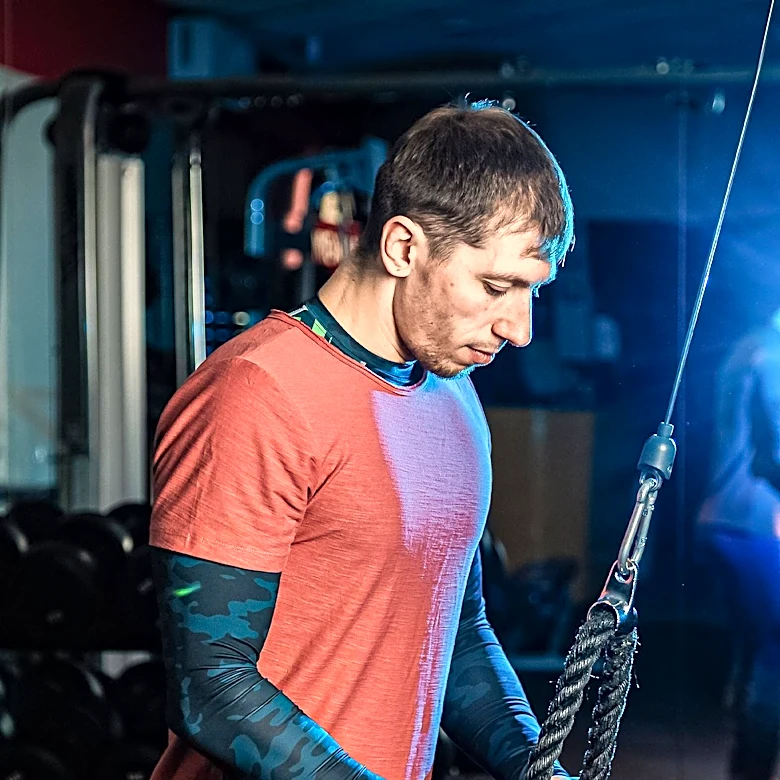
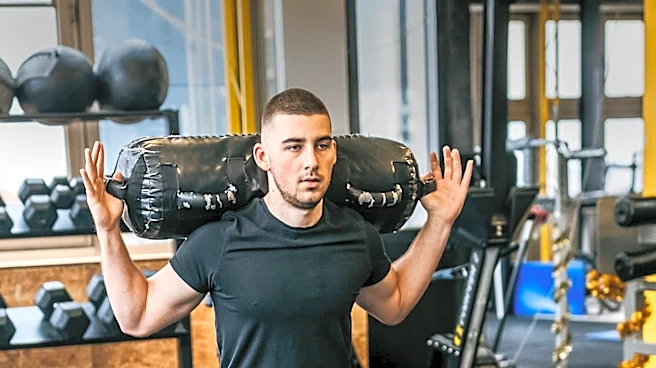
New research indicates that short, intense exercise sessions can yield similar fitness and health benefits as longer, more traditional workouts. A 12-week trial compared a ten-minute session, including one minute of hard work, with a 50-minute continuous
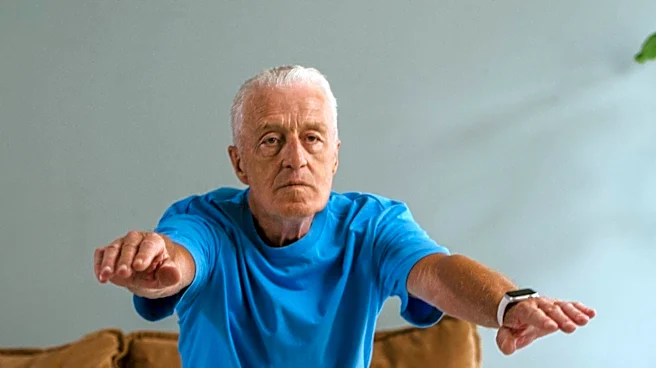
moderate cycling session. Both groups of sedentary participants showed a 19% increase in peak oxygen uptake, along with comparable improvements in insulin sensitivity and skeletal muscle mitochondrial content. This suggests that the intensity and density of work, rather than the duration, are key factors in achieving significant physiological adaptations. Furthermore, a large study in Taiwan found that just 15 minutes of daily exercise was associated with a 14% lower risk of death from any cause and an increased life expectancy of approximately three years, with additional benefits for every extra 15 minutes.
Why It's Important?
This information is crucial for public health initiatives and individual fitness strategies in the U.S., where time constraints often deter people from regular exercise. The finding that substantial health benefits can be achieved with as little as 10-15 minutes of daily, high-effort activity challenges the long-held belief that extensive gym sessions are necessary. This could lead to increased exercise adherence among the general population, as shorter, more manageable workouts become more appealing. For industries, this shift might influence the design of fitness programs, wearable technology, and even urban planning to encourage brief, intense physical activity. It also highlights the importance of consistency over duration, suggesting that daily short bursts of activity are more effective than infrequent long sessions for maintaining adaptations.
What's Next?
The emphasis on brief, intense workouts is likely to influence fitness trends and product development. We may see a rise in demand for micro-workout programs, apps, and equipment designed for short, high-intensity sessions. Public health campaigns could adapt their messaging to promote the efficacy of shorter exercise durations, potentially leading to a broader engagement with physical activity. Further research may focus on optimizing these brief protocols for specific populations and health goals. Additionally, the fitness industry might need to re-evaluate its traditional class structures and gym offerings to accommodate this growing understanding of efficient exercise.
Beyond the Headlines
This paradigm shift in exercise recommendations has deeper implications for societal perceptions of health and fitness. It democratizes exercise, making it more accessible to individuals with demanding schedules or those intimidated by lengthy workout commitments. By demonstrating that 'something is better than nothing,' and that 'something' can be remarkably effective, it could foster a more inclusive approach to physical well-being. The focus on intensity and consistency also underscores the psychological aspect of habit formation, suggesting that integrating short, demanding activities into daily routines can be more sustainable than striving for infrequent, longer sessions. This could lead to a cultural shift where physical activity is viewed less as a time-consuming chore and more as an integral, manageable part of daily life.