






What's Happening?
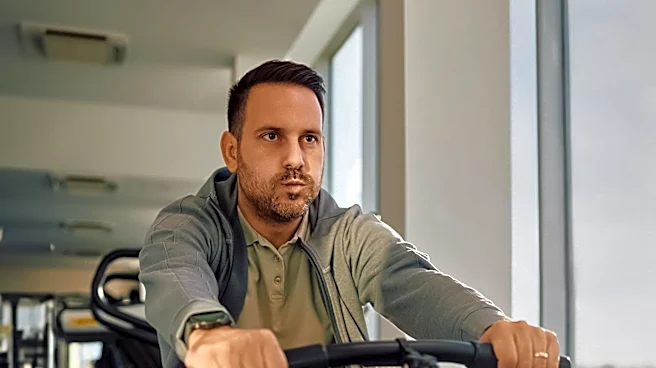
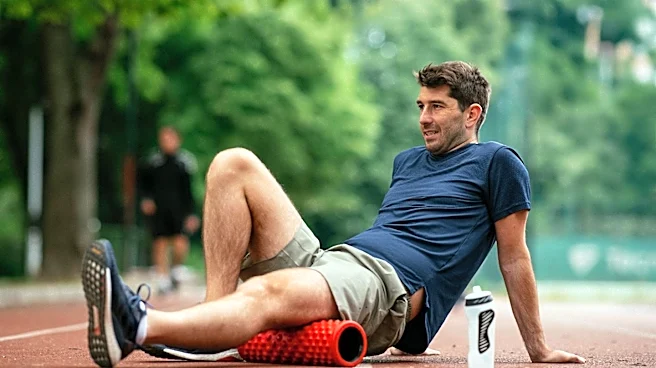
Active recovery involves engaging in gentle movement between intense workouts to facilitate muscle recovery without imposing additional training stress. This approach includes activities such as walking, light cycling, gentle yoga, and stretching. The
primary goal is to increase blood circulation, which helps in the removal of metabolic by-products and reduces muscle stiffness. Unlike complete rest, active recovery keeps the body engaged, promoting faster recovery and adaptation. It is a flexible strategy that should be tailored to an individual's training intensity and fatigue levels. However, it is crucial to note that active recovery complements, but does not replace, essential recovery components like adequate sleep, proper nutrition, sufficient hydration, and complete rest when necessary. If an individual feels unwell, injured, or unusually fatigued, complete rest is the recommended course of action.
Why It's Important?
The integration of active recovery into fitness routines holds significant importance for individuals across various fitness levels, from beginners to experienced athletes. By promoting increased blood flow, active recovery aids in the quicker removal of waste products that accumulate in muscles during strenuous exercise, thereby reducing delayed onset muscle soreness (DOMS). This not only enhances comfort but also allows for more consistent training by shortening recovery times between sessions. For the general public, incorporating light activities like walking or gentle stretching can prevent the stiffness and discomfort often associated with new exercise regimens, making fitness more accessible and sustainable. In the context of sports and physical therapy, active recovery is a critical component of injury prevention and rehabilitation, helping to maintain mobility and circulation without overstressing healing tissues. This approach supports long-term physical health by fostering a balanced relationship with exercise, emphasizing recovery as an integral part of performance and well-being.
What's Next?
Individuals and fitness professionals are increasingly recognizing the value of incorporating active recovery into training schedules. The trend suggests a continued emphasis on personalized recovery plans, where the type and intensity of active recovery are adjusted based on individual needs, workout demands, and overall physical condition. Future developments may include more sophisticated wearable technology that provides real-time data on muscle recovery and fatigue, guiding users on optimal active recovery strategies. Educational initiatives will likely continue to promote a holistic view of fitness, highlighting that recovery is as crucial as the workout itself. This shift will encourage a broader adoption of practices like light cardio, yoga, and stretching as standard components of a well-rounded fitness regimen, moving away from the misconception that more intense training always yields better results. Furthermore, research will likely explore the specific physiological benefits of different active recovery modalities to provide more evidence-based recommendations for various populations and athletic pursuits.
Beyond the Headlines
The growing emphasis on active recovery reflects a broader cultural shift towards a more sustainable and mindful approach to health and fitness. Beyond its physiological benefits, active recovery encourages individuals to listen to their bodies and prioritize well-being over relentless intensity. This paradigm shift challenges the 'no pain, no gain' mentality, promoting a balanced perspective where rest and recovery are seen as productive components of a healthy lifestyle. Ethically, it underscores the importance of self-care and injury prevention, potentially reducing the incidence of overtraining and burnout in athletic communities. Socially, it could lead to a more inclusive fitness culture, as gentle activities become more widely accepted and valued, making physical activity accessible to a wider range of people, including those new to exercise or recovering from injuries. This holistic view of fitness, integrating physical, mental, and emotional well-being, has the potential to foster healthier long-term habits and a more positive relationship with exercise.