



What's Happening?
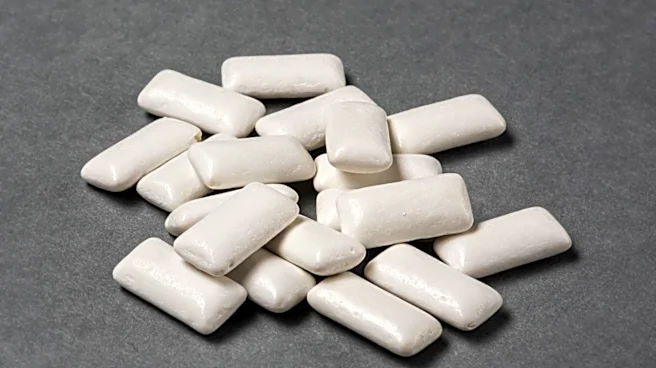
ProDentim has introduced a new oral probiotic chewable tablet in the U.S. market, designed to support oral health by delivering 3.5 billion colony-forming units per serving. The product combines three probiotic strains—Lactobacillus paracasei, Lactobacillus reuteri,
and Bifidobacterium animalis subsp. lactis BL-04—with inulin, malic acid, tricalcium phosphate, and peppermint. Manufactured in an FDA-registered, GMP-certified facility, the chewable tablet is intended to dissolve in the mouth, targeting the oral cavity directly. This product is positioned as a preventive oral care supplement, aiming to balance the oral microbiome rather than merely reducing bacteria. The launch comes amid growing consumer interest in oral health probiotics, with the market projected to grow significantly over the next decade.
Why It's Important?
The introduction of ProDentim's chewable probiotic tablet reflects a shift in consumer focus towards preventive oral health solutions. With nearly half of U.S. adults over 30 affected by periodontitis, there is a substantial market for products that address oral health through microbiome balance. The U.S. market for oral health probiotics is expected to expand, driven by increasing awareness of the benefits of probiotics in maintaining oral health. ProDentim's product could influence the market by offering an alternative to traditional oral care methods, potentially reducing the prevalence of oral diseases and improving overall dental health.
What's Next?
ProDentim's entry into the U.S. market may prompt other companies to develop similar products, potentially leading to increased competition and innovation in the oral health sector. As consumer awareness grows, there may be a greater demand for clinical studies to validate the efficacy of such products. Regulatory scrutiny could also increase, ensuring that claims made by manufacturers are supported by scientific evidence. The success of ProDentim's product could encourage further research into the role of probiotics in oral health, potentially leading to new discoveries and advancements in dental care.