





What's Happening?
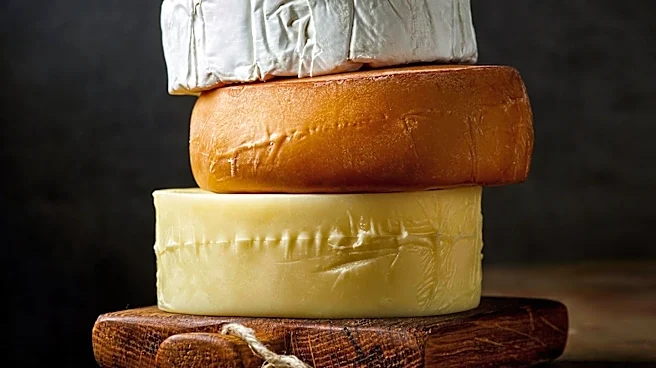
The Drexel Food Lab at Drexel University has conducted extensive research into the most effective methods for storing cheese, aiming to preserve its taste, texture, and extend its shelf life. Over two months, the lab tested nine different storage solutions
for brie and cheddar cheeses, simulating normal household conditions in a consumer-grade KitchenAid refrigerator. The study focused on factors such as moisture retention, breathability, and flavor impact. While water activity, pH, and taste testing showed minimal measurable differences between methods, significant variations were observed in appearance, texture, and the time it took for spoilage to occur. The research involved insights from cheese professionals like Emilia D’Albero, a member of Guilde Internationale des Fromagers, and Michael Tunick, PhD, an adjunct professor of food science at Drexel University and author of 'The Science of Cheese.'
Why It's Important?
Improper cheese storage can lead to rapid spoilage, negatively affecting taste and texture, and resulting in wasted food and money for consumers. Given that fine cheeses can be expensive, understanding optimal storage techniques is economically beneficial for households and businesses alike. The Drexel Food Lab's findings provide practical, evidence-based recommendations that can help consumers maximize the longevity and quality of their cheese. This research also highlights the scientific principles behind cheese preservation, emphasizing the importance of breathability and humidity for a 'living product' like cheese. For the food industry, these insights could inform packaging innovations and storage guidelines, potentially reducing food waste and enhancing consumer satisfaction with cheese products. The study's focus on common household storage methods makes its findings directly applicable to a broad audience.
What's Next?
The findings from the Drexel Food Lab's research are expected to influence consumer practices and potentially guide product development in the cheese industry. Consumers may increasingly adopt recommended storage methods, such as using cheese paper or specialized cheese grottos, to extend the life of their purchases. Manufacturers of cheese storage products could see increased demand for items that align with the study's conclusions, such as those offering controlled humidity and breathability. The research may also prompt further studies into specific cheese varieties and their unique storage requirements. Educational initiatives from food science experts and culinary institutions could emerge to disseminate these best practices more widely, helping to reduce food waste and improve the overall cheese consumption experience for the public.
Beyond the Headlines
This research delves into the often-overlooked science behind food preservation, revealing that cheese is a complex 'living object' whose microbial ecosystem continues to evolve post-production. The study underscores the delicate balance required to maintain this ecosystem, preventing the growth of harmful molds while encouraging beneficial ones. The emphasis on breathability and humidity reflects a deeper understanding of how environmental factors impact microbial activity and chemical changes in food. This scientific approach to a common household item highlights the broader implications of food science in everyday life, from reducing waste to enhancing culinary experiences. It also subtly challenges conventional wisdom about food storage, such as the common use of plastic wrap, by demonstrating its potential drawbacks in preserving cheese quality and flavor.