





What's Happening?
French startup Ascendance has unveiled the full-scale prototype of its ATEA hybrid-electric vertical takeoff and landing (VTOL) aircraft at Muret-Lherm airfield near Toulouse. This unveiling marks a significant step as the company prepares for its flight-test
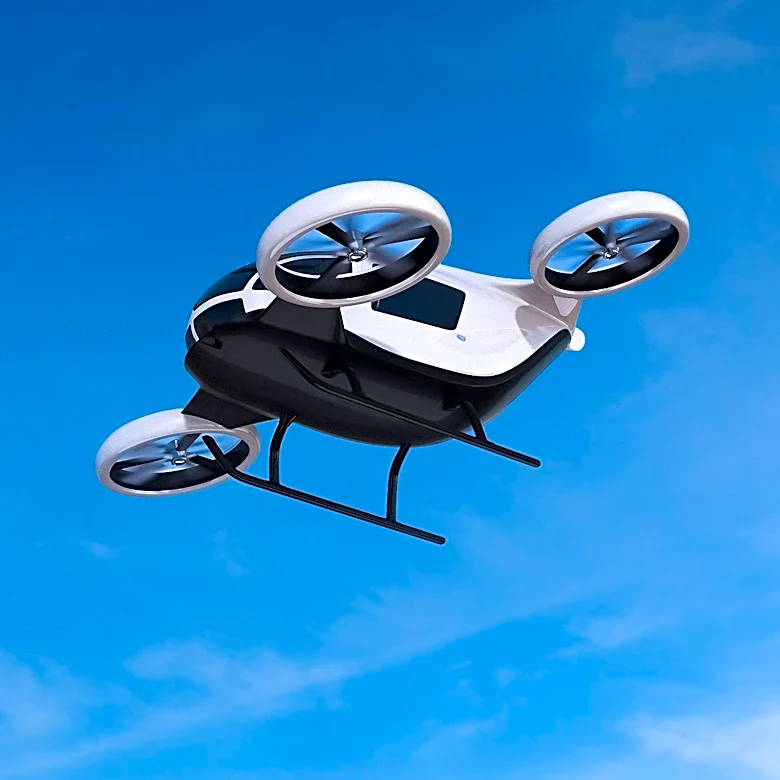
campaign. The airframe was manufactured by Duqueine Group in Lyon under Ascendance's engineering direction, with its completion announced on February 23, 2026. This cleared the way for the integration of the propulsion system, avionics, and fly-by-wire flight controls. Co-founder Jean-Christophe Lambert highlighted ATEA as the first European aircraft developed from scratch around a hybrid-electric architecture, emphasizing Europe's need to strengthen its industrial autonomy in aerospace and defense. The aircraft was constructed primarily with European components and technology. Ascendance has secured €60 million in funding to date and anticipates the prototype's first flight in early 2027, pending aviation authority permission. The ATEA is designed as an alternative to conventional helicopters, utilizing eight electric rotors for vertical flight and two propellers for forward flight. Its STERNA hybrid-electric system uses batteries for high-demand phases and fuel-powered generators for cruise, capable of running on Jet A-1 or sustainable aviation fuel. Safran's ENGINeUS electric motor was selected for the aircraft in March 2025.
Why It's Important?
The development of the ATEA hybrid-electric VTOL aircraft by Ascendance signifies a growing global trend in advanced air mobility, with implications for the U.S. aerospace industry. While Ascendance is a European company, its advancements contribute to the broader competitive landscape of eVTOL technology, pushing innovation and potentially influencing design and regulatory standards worldwide. The emphasis on European industrial autonomy in aerospace and defense suggests a strategic move to reduce reliance on external suppliers, which could impact international collaborations and supply chains, including those involving U.S. companies. The ATEA's hybrid-electric architecture, capable of using sustainable aviation fuel, aligns with global efforts to decarbonize aviation, a goal shared by many U.S. aerospace firms and policymakers. This technological progress could accelerate the adoption of similar hybrid solutions in the U.S., driving further research and development in electric propulsion and sustainable aviation fuels. The competition from European innovators like Ascendance encourages U.S. eVTOL developers to continue innovating and scaling their own production and technological capabilities to maintain a competitive edge in the emerging urban air mobility market.
What's Next?
Ascendance is preparing for the ATEA prototype's first flight, which is expected in early 2027, contingent on receiving permission from aviation authorities. Following successful flight tests, the company will likely proceed with further development phases aimed at achieving certification. While Ascendance's website previously indicated a first crewed flight in 2026 and certification targeted for 2029, the current timeline suggests a slight adjustment. The company's continued fundraising efforts will be crucial for sustaining its development and certification processes. As the ATEA progresses, it will contribute to the growing body of data and experience in hybrid-electric VTOL aircraft, potentially influencing future regulatory frameworks and operational standards for advanced air mobility globally. The success of ATEA could also pave the way for increased investment in hybrid-electric propulsion systems across the aerospace sector, as the industry seeks more sustainable and efficient alternatives to traditional aircraft.
Beyond the Headlines
The unveiling of Ascendance's ATEA prototype highlights a broader strategic shift in the global aerospace industry towards hybrid-electric propulsion and regional industrial autonomy. This development underscores the increasing importance of sustainable aviation solutions and the drive to reduce carbon emissions in air travel. The ATEA's design, which combines electric rotors for vertical lift with propellers for forward flight and a hybrid power system, represents a pragmatic approach to overcoming the current limitations of battery-only electric aircraft, particularly regarding range and payload. This hybrid model could become a significant bridge technology as battery technology continues to evolve. Furthermore, the emphasis on using European components and technology reflects a growing trend among nations and blocs to secure their supply chains and foster domestic innovation in critical sectors like aerospace, potentially leading to more regionalized manufacturing ecosystems and increased competition in the global market. This could have long-term implications for international trade relationships and technological partnerships in the aerospace industry.