





What's Happening?
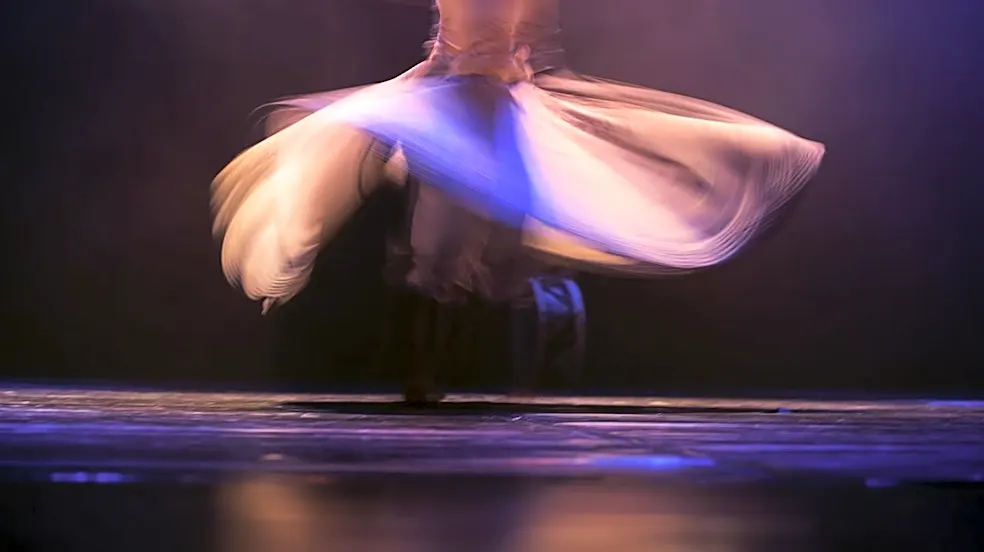
Victoria Marks' dance performance, 'A Deer Walks into a Dance,' which premiered at CAP UCLA Nimoy Theatre, uses a joke about a king's hunting trip to delve into themes of power, mistaken identity, and societal kowtowing. The performance, devised by Arletta
Anderson, Rian Alcid, Maya Billig, Karen Chuang, Aaron Mason, and Victoria Marks, features contemporary movement and gesture. The central joke involves a king who shoots a man claiming not to be a deer, with the king's minister questioning the act, only for the king to claim he thought the man said he 'was' a deer. This narrative serves as a foundation for exploring the historical concept of the divine right of kings, where a monarch's actions are considered beyond reproach, and its modern-day manifestations in various forms of authoritarianism and social dynamics. The piece also examines how language and self-identification play a crucial role in survival, highlighting instances of mistaken identity and societal judgment.
Why It's Important?
This performance is important because it uses artistic expression to critically examine enduring societal issues such as unchecked power, the impact of authority on individual lives, and the complexities of identity. By drawing parallels between the historical 'divine right of kings' and contemporary situations, the work prompts audiences to reflect on how power structures can lead to tragic outcomes and how individuals are often blamed for systemic failures. The exploration of mistaken identity and self-identification resonates deeply in a society grappling with issues like immigration, hate crimes, and the importance of personal pronouns. The piece underscores the idea that words and perceptions can have profound, even deadly, consequences, making it a relevant commentary on current social and political discourse in the U.S. and globally. It encourages a deeper understanding of how historical power dynamics continue to influence modern interactions and injustices.
What's Next?
While 'A Deer Walks into a Dance' is a performance piece, its themes are likely to continue to spark discussions and critical thought among its audience and within the arts community. The work's exploration of power dynamics, identity, and societal accountability could influence future artistic endeavors and public conversations around these topics. The performance serves as a catalyst for reflection on how individuals and institutions wield power and how society responds to perceived authority. It may also encourage further artistic interpretations of historical doctrines and their contemporary relevance, potentially leading to more works that challenge established norms and provoke social commentary. The ongoing relevance of its themes suggests that the conversations initiated by this performance will persist in various forms.
Beyond the Headlines
The performance delves into the ethical and cultural dimensions of power and identity, extending beyond a simple narrative. It highlights the subtle ways in which societal 'kowtowing' can enable abuses of power, even in seemingly democratic contexts. The piece's use of language, particularly the double meaning in the king's joke, underscores the critical importance of clear communication and empathetic understanding in preventing tragic misunderstandings. Furthermore, by connecting the historical divine right of kings to modern issues like immigration enforcement and hate crimes, the work suggests a continuity of human behavioral patterns regarding authority and 'othering.' It challenges audiences to consider their own roles in perpetuating or dismantling systems that allow for such injustices, emphasizing the long-term shifts in cultural attitudes required for a more equitable society. The performance ultimately serves as a chilling satire on human behavior, urging a deeper examination of our collective responsibilities.