
What's Happening?
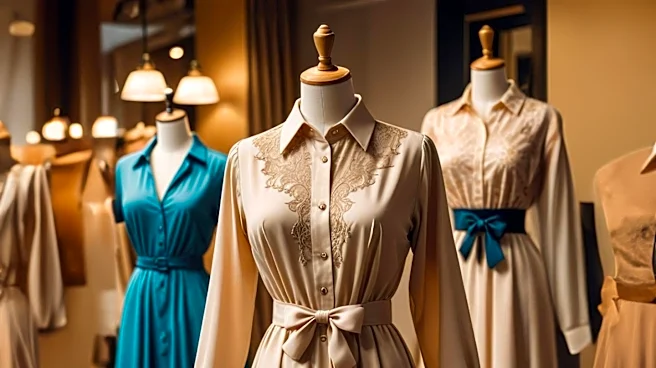
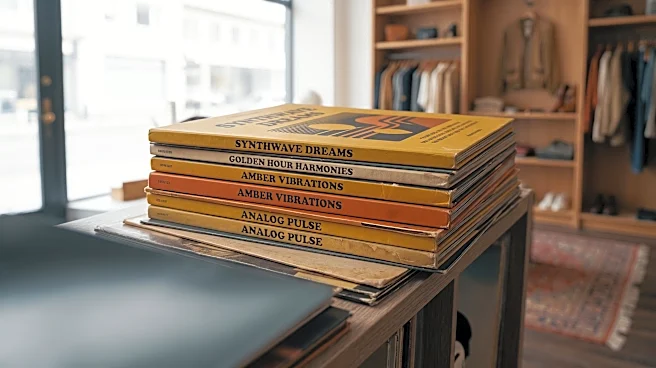
Amber Enright, owner of the Bromley-based clothing and homeware brand Downtown Retro, has realized her childhood ambition of owning a shop. Her business, located in The Glades shopping center, specializes
in vintage and retro-inspired clothing, memorabilia, and vinyl records. Enright, 52, described how her early interest in retail, which began with playing shop as a child and later included window dressing for Harrods, fueled her entrepreneurial spirit. Downtown Retro has experienced significant success, with Enright noting that the business "went absolutely mental" after moving to its current premises. A key factor in its success is its broad appeal, attracting customers of all ages, from young children to individuals in their 80s. Enright personally curates the products, focusing on unusual items to differentiate her shop from other high street retailers. The business has moved several times within Bromley, with its current location proving to be a transformative step.
Why It's Important?
The success of Downtown Retro highlights a growing consumer interest in vintage and retro-inspired products, indicating a potential shift in retail trends towards unique and curated offerings. This trend can impact U.S. retail markets by encouraging independent businesses to focus on niche markets and personalized customer experiences, rather than competing solely on price or mass-produced goods. The ability of Downtown Retro to attract a multi-generational customer base suggests a broader appeal for nostalgia and individuality in consumer choices. This could influence larger retailers to incorporate more vintage-inspired lines or collaborate with smaller, curated brands. Furthermore, the emphasis on supporting small businesses and seeking out "something different" reflects a changing consumer ethos that values community and unique finds, potentially leading to a revitalization of local economies and specialized retail sectors in the U.S.
What's Next?
The continued success of businesses like Downtown Retro could inspire more entrepreneurs in the U.S. to explore niche markets focused on vintage, retro, and curated goods. This might lead to an increase in independent boutiques and specialized online stores catering to consumers seeking unique items and a personalized shopping experience. Retail analysts may observe whether this trend translates into larger market shifts, prompting established brands to adapt their strategies to include more distinctive product lines or to foster a sense of community around their offerings. The emphasis on customer loyalty and the desire for "something different" could also influence marketing strategies, with a greater focus on storytelling and the unique origins of products. This could also lead to a re-evaluation of retail space utilization, with more emphasis on creating engaging and experiential shopping environments.
Beyond the Headlines
The success of Downtown Retro taps into a deeper cultural phenomenon: the enduring appeal of nostalgia and the desire for authenticity in a mass-produced world. This trend extends beyond mere fashion or homeware, reflecting a broader societal yearning for connection to the past and a rejection of disposable consumerism. Ethically, businesses that curate vintage items often promote sustainability by giving new life to pre-owned goods, aligning with growing environmental consciousness. Culturally, the multi-generational appeal of retro items suggests a shared appreciation for historical aesthetics and craftsmanship, bridging generational divides. This could lead to a re-evaluation of what constitutes 'value' in consumer goods, shifting from purely new and modern to embracing the charm and history of older items. The emphasis on personal curation also highlights the importance of individual taste and the desire for unique self-expression in consumer choices.