




What's Happening?
Former WNBA star Angel McCoughtry has raised concerns about the unequal distribution of stardom and attention among players in the WNBA, suggesting that factors beyond on-court performance, such as appearance, may play a role. During an appearance on the 'Get
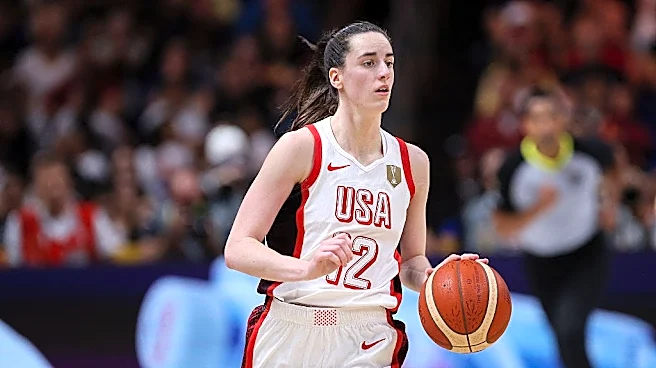
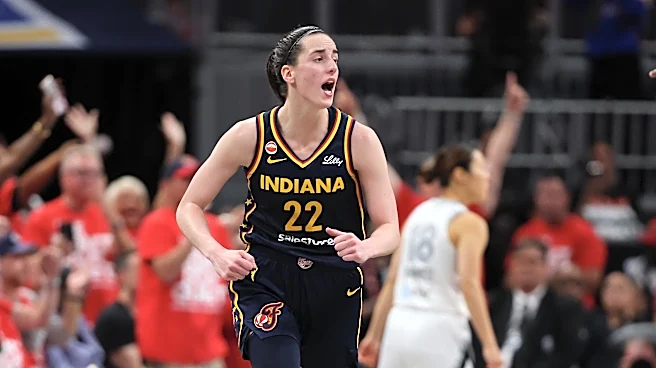
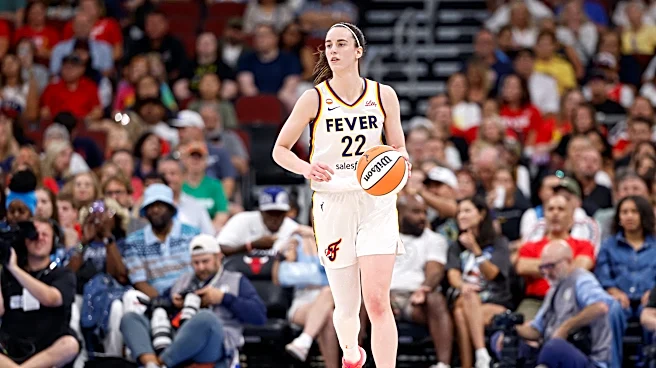
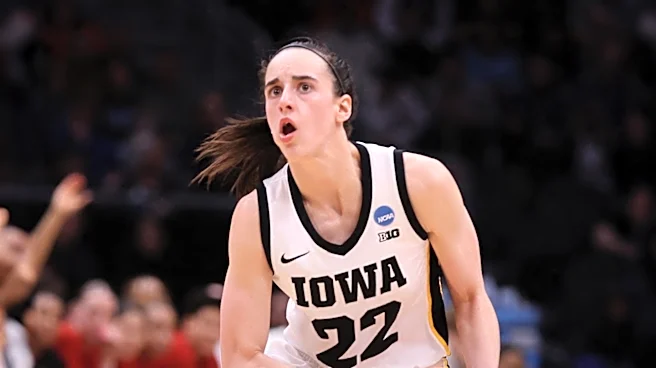
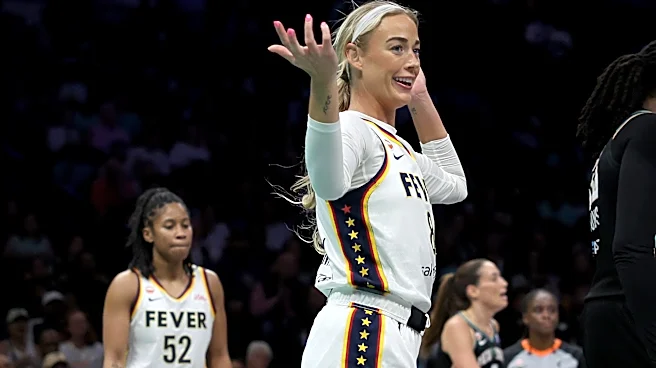
To The Point Podcast,' McCoughtry cited the example of Indiana Fever players Caitlin Clark and Kelsey Mitchell. She noted that while Clark is widely recognized, Mitchell, who had a record-breaking season with 24.7 points per game and set the all-time WNBA single-season scoring record, remains less known. McCoughtry highlighted the disparity in social media followers, with Clark having over 4 million compared to Mitchell's 157,000. She also pointed to Sophie Cunningham, who gained significant brand endorsements and followers after a controversial comment, despite averaging fewer points per game than other top players.
Why It's Important?
McCoughtry's observations bring to light a critical discussion about equity and recognition within the WNBA, a league experiencing significant growth in viewership and brand investment. If player visibility and endorsement opportunities are disproportionately influenced by factors other than athletic merit, it could create an uneven playing field and potentially demotivate highly skilled athletes. This issue impacts not only individual players' financial opportunities and career trajectories but also the league's overall integrity and its ability to market itself based on pure athletic excellence. The 'Caitlin Clark Effect' has undeniably brought new audiences to women's basketball, but McCoughtry's comments suggest that this increased attention isn't always distributed equitably among all deserving players, raising questions about the league's long-term strategy for promoting its diverse talent pool.
What's Next?
The discussion initiated by Angel McCoughtry is likely to spark further conversations within the WNBA community, including among players, league officials, and media. It may prompt the league to re-evaluate its marketing strategies and consider how to more effectively promote a wider range of its star athletes based on their on-court achievements. Players and their agents might also become more proactive in advocating for equitable brand opportunities. This dialogue could lead to increased scrutiny from fans and media regarding how player endorsements and media attention are allocated, potentially influencing how brands choose to partner with WNBA athletes. The league may need to address these concerns to ensure that its growth is inclusive and that all deserving players receive appropriate recognition.
Beyond the Headlines
McCoughtry's critique delves into deeper societal issues concerning beauty standards, media representation, and the commercialization of sports. It suggests that even in a professional athletic context, traditional biases can influence public perception and economic opportunities. This raises ethical questions about the responsibility of sports leagues and media outlets in promoting athletes based on merit rather than superficial characteristics. The long-term implication could be a more nuanced approach to athlete branding, where the WNBA and its partners actively work to highlight diverse forms of excellence and appeal. This conversation could also empower athletes to advocate for more equitable representation and challenge existing norms, fostering a more inclusive environment where talent is universally recognized and rewarded, regardless of external factors.