








What's Happening?
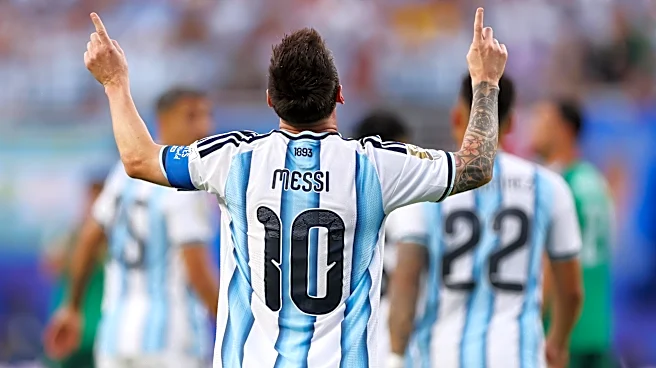
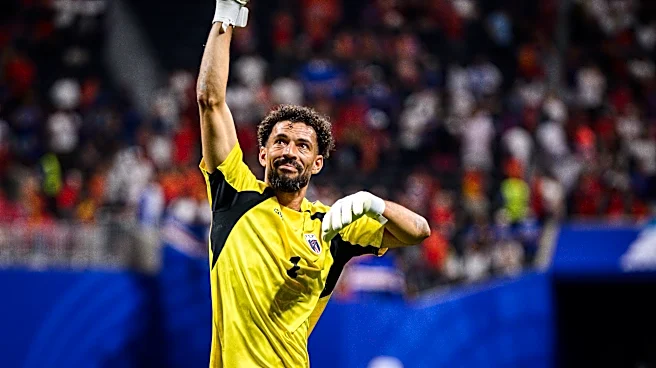
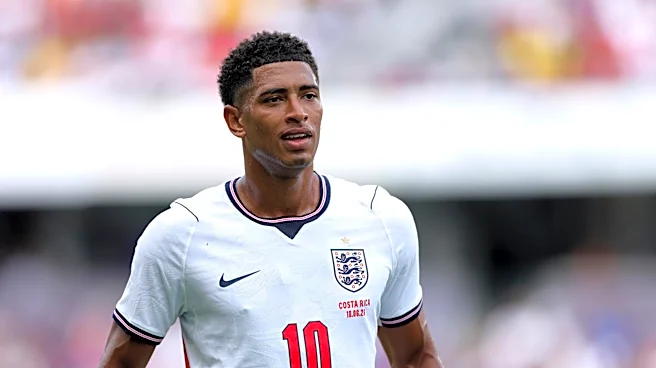
The 2026 FIFA World Cup, hosted by the United States, Canada, and Mexico, is underway, marking a significant event in global sports. The tournament has already seen surprising outcomes, such as Cape Verde's draw against Spain and the Democratic Republic
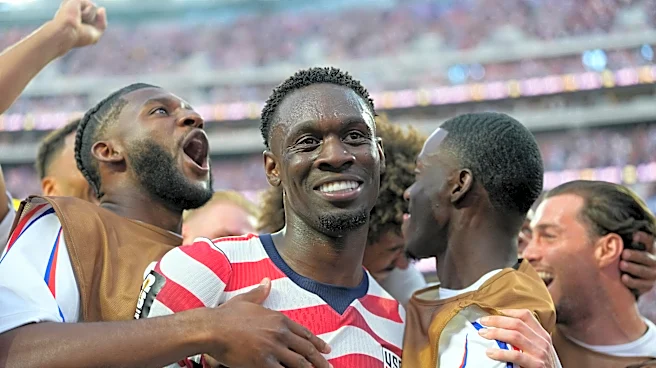
of Congo's tie with Portugal. The U.S. Men's National Team (USMNT) has started strong, defeating Paraguay 4-1 in their opening match. The World Cup is celebrated for its global reach, with an estimated 5 billion viewers for the 2022 event, and the 2026 edition is expected to surpass this. The tournament is noted for its ability to unite fans worldwide, transcending national boundaries and fostering a spirit of global camaraderie.
Why It's Important?
The World Cup's significance extends beyond sports, impacting cultural and national pride. For the U.S., hosting the tournament offers a platform to showcase its culture and hospitality, potentially boosting tourism and international relations. The USMNT's performance could redefine American soccer's global standing, inspiring future generations and increasing the sport's popularity domestically. The event also highlights the fluidity of national identities, with many players representing countries other than their birth nations, reflecting broader migration trends. The World Cup's ability to bring together diverse cultures underlines its role as a unifying global event.
What's Next?
As the tournament progresses, the focus will be on how the USMNT performs against stronger teams like Argentina and France. The team's success could lead to increased investment in soccer infrastructure and youth development programs in the U.S. Additionally, the World Cup's outcomes may influence future hosting bids and the global soccer landscape. The tournament will continue to capture global attention, with fans eagerly anticipating the unfolding drama and potential upsets.