








What's Happening?
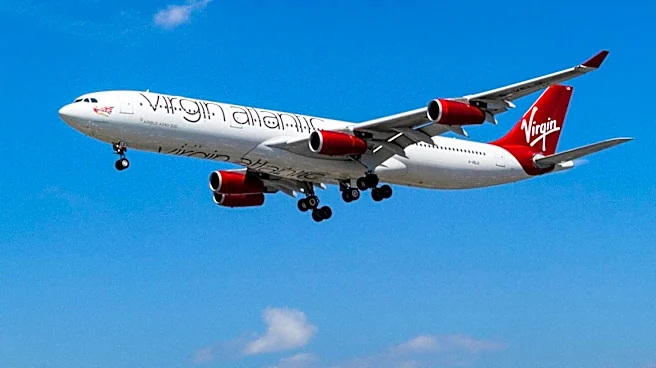
Delta Air Lines CEO Ed Bastian has strongly criticized Heathrow Airport Limited's decision to relocate Delta's operations from Terminal 3 to Terminal 4, effectively separating it from its joint venture partner, Virgin Atlantic. This move, scheduled for
2028, ends over a decade of co-located operations between the two airlines in Terminal 3. Bastian described Heathrow's decision as 'short-sighted, deeply disappointing, and bad for airline consumers,' emphasizing that the shared terminal facilitated convenient connections, premium facilities, and access to an expanded global network for millions of customers. He stated that separating their operations undermines years of investment and disregards the integrated customer benefits they offer. Delta has confirmed it will pursue all available remedies to challenge this decision, urging Heathrow to reconsider its plans in the interest of passengers and competition. Virgin Atlantic's CEO, Corneel Koster, has also voiced strong opposition, warning that the separation would create friction for connecting passengers, weaken competition, and reduce consumer choice.
Why It's Important?
This dispute is significant for U.S. airline consumers and the transatlantic travel market. The co-location of Delta and Virgin Atlantic at Heathrow's Terminal 3 has been a cornerstone of their transatlantic joint venture, providing a seamless travel experience and a competitive alternative to other major alliances, such as British Airways and American Airlines. The proposed separation could lead to increased complexity and longer connection times for passengers transferring between Delta and Virgin Atlantic flights, potentially making these routes less attractive. This could impact consumer choice and potentially lead to higher fares if competition is diminished. For Delta, the move threatens to disrupt a key operational aspect of its international strategy and its partnership with Virgin Atlantic, in which Delta holds a 49% stake. The outcome of this challenge could set a precedent for how major airports manage terminal capacity in relation to airline partnerships and joint ventures, affecting future operational strategies for U.S. carriers operating internationally.
What's Next?
Delta Air Lines has stated its intention to pursue 'all available remedies' to challenge Heathrow's decision, though specific actions have not been detailed. This could include legal action or complaints to regulatory authorities. Virgin Atlantic is also exploring its options. The proposed changes are slated for implementation in 2028, providing a window for continued discussions between the airlines and Heathrow Airport. Passengers will not experience immediate changes, as both airlines continue to operate from Terminal 3. The central question remains whether Heathrow will reconsider its terminal allocation in response to the airlines' strong opposition, or if the dispute will escalate into a formal legal or regulatory battle. The resolution will be closely watched by the aviation industry, particularly regarding the balance between airport operational efficiency and the strategic needs of airline partnerships.
Beyond the Headlines
The disagreement between Delta, Virgin Atlantic, and Heathrow Airport highlights a broader tension in the aviation industry: the balance between airport infrastructure management and airline commercial strategies. While Heathrow defends its decision as a move to optimize terminal capacity, reduce congestion, and improve passenger flow, the airlines argue it undermines established partnerships crucial for competition and passenger experience. This situation could trigger deeper discussions about regulatory oversight of airport decisions that significantly impact airline alliances and consumer welfare. It also underscores the strategic importance of co-located operations for joint ventures, which are designed to offer integrated services and seamless transfers. If Heathrow's decision stands, it could force airlines to re-evaluate the resilience of their partnership models against airport operational changes, potentially influencing future investment decisions in international hubs and the structure of global airline alliances.