



What's Happening?
The National Highway Traffic Safety Administration (NHTSA) has upgraded its investigation into brake problems affecting General Motors (GM) electric vehicles (EVs) and some non-EV models to an 'engineering analysis,' the highest level of investigation before
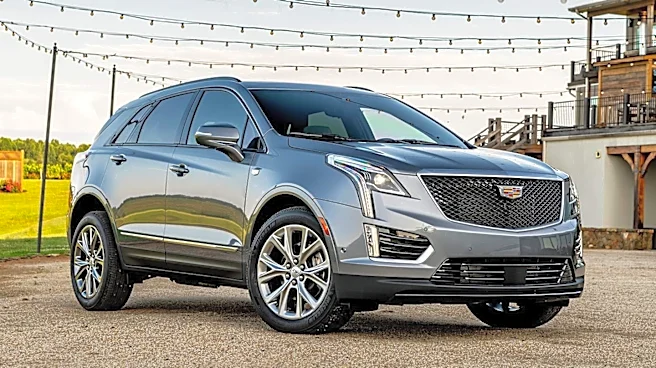
a potential recall. This escalation follows hundreds of reported incidents, over 20 crashes or fires, and at least six injuries linked to brake issues. The affected vehicles include the Cadillac Lyriq, Blazer EV, Equinox EV, Honda Prologue, Acura ZDX, Chevy Colorado, GMC Canyon, and Buick Enclave and Envision, potentially impacting over 1 million vehicles. NHTSA's Office of Defects Investigation (ODI) initially began its probe in April 2024 after reports from 2023 Cadillac Lyriq owners describing a 'Brake System Failure' message. While GM attributed the problem to fractures in the spindle of its 'eBoost' brake-by-wire system, ODI continues to receive reports of 'immediate loss of brake assist' inconsistent with GM's explanation, raising concerns about extended braking distances and increased risk of crashes.
Why It's Important?
The escalation of NHTSA's investigation into GM's brake-by-wire system is a critical development for automotive safety and the burgeoning EV market. A potential recall of over 1 million vehicles, including popular EV models, could have significant financial implications for GM and potentially impact consumer confidence in electric vehicle technology, especially those utilizing advanced brake-by-wire systems. The 'eBoost' system, which replaces a traditional mechanical link with an electronic one, is a key component in modern vehicle design, offering benefits like customizable brake feel. However, its reported failures highlight the complex challenges and potential risks associated with integrating advanced electronic systems into critical vehicle functions. This investigation underscores the rigorous scrutiny regulatory bodies apply to new automotive technologies and their commitment to public safety, which could influence future design and testing standards for all vehicle manufacturers, particularly in the EV sector.
What's Next?
NHTSA's 'engineering analysis' will involve a more in-depth examination of the eBoost system to understand the root cause of the reported brake assist failures. This phase could lead to a formal recall order from NHTSA if the agency determines an unreasonable risk to motor vehicle safety. GM has stated it will continue to cooperate with NHTSA's investigation, maintaining that the alleged condition does not present an unreasonable risk. Depending on the findings, GM may be required to issue a recall, develop a software update, or implement hardware modifications to address the issue. The outcome of this investigation will be closely watched by consumers, investors, and the broader automotive industry, as it could set precedents for how brake-by-wire systems are evaluated and regulated in the future. It may also prompt other manufacturers to review their own advanced braking systems for similar potential vulnerabilities.
Beyond the Headlines
The federal scrutiny on GM's brake-by-wire system delves into the deeper implications of increasing digitalization and electronic control in modern vehicles. The shift from mechanical to electronic systems, while offering advantages in performance and customization, introduces new layers of complexity and potential points of failure that require sophisticated diagnostic and safety protocols. This situation highlights the critical importance of software integrity and electronic component reliability in automotive engineering, especially for safety-critical functions like braking. Beyond the immediate safety concerns, this investigation could influence public perception of 'drive-by-wire' technologies, potentially leading to increased demand for transparency and robust testing from manufacturers. It also underscores the ongoing challenge for regulators to keep pace with rapid technological advancements in the automotive sector, ensuring that innovation does not compromise fundamental safety standards. The long-term impact could be a re-evaluation of industry best practices for developing and deploying advanced electronic vehicle systems.