

What's Happening?
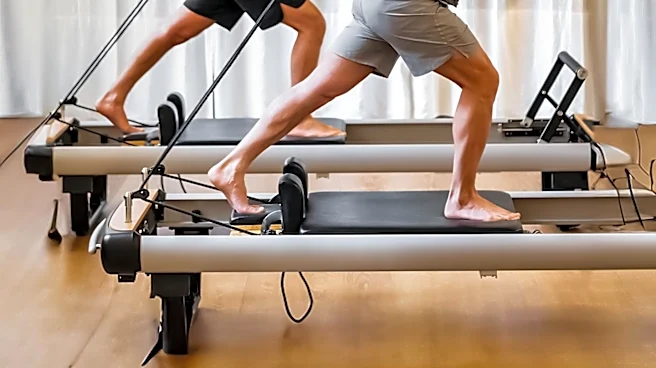
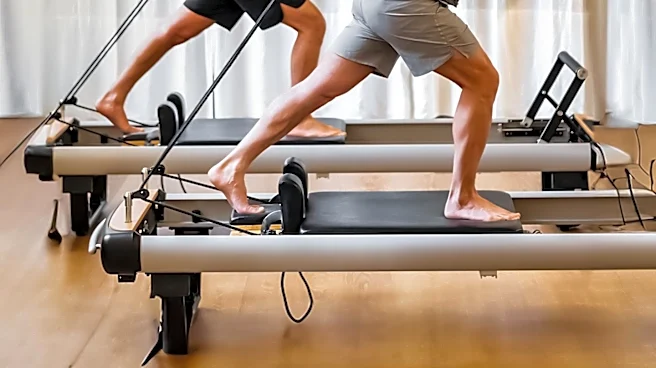
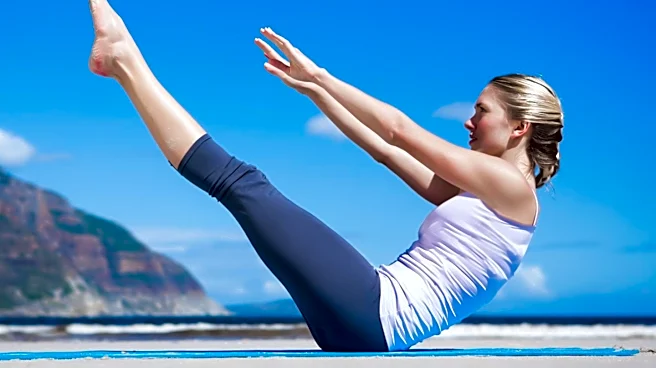
Reformer Pilates, a fitness method utilizing a specialized machine with adjustable springs, straps, and bars, provides resistance and support for exercises. This contrasts with Mat Pilates, which relies solely on body weight. The Reformer machine allows
for fine-tuning resistance, making movements either more challenging or more accessible, depending on the spring settings. This adaptability makes Reformer Pilates suitable for a wide range of individuals, including beginners and those managing injuries. The equipment can provide support for exercises that might be difficult to perform unsupported on a mat, while also offering increased resistance for faster muscle fatigue and strength gains. Joseph Pilates, the creator of Pilates, originally invented the Reformer for rehabilitating injured dancers, highlighting its historical role in supported and resistant movement.
Why It's Important?
The versatility of Reformer Pilates holds significant importance for the fitness industry and individuals seeking effective exercise solutions. Its ability to adjust resistance and provide support makes it a valuable option for injury recovery and rehabilitation, allowing individuals to engage in controlled movements without exacerbating existing conditions. For beginners, the guided range of motion offered by the Reformer can facilitate better form and body awareness more quickly than mat-only practices. Furthermore, for those aiming for visible strength gains, the added resistance of the Reformer can accelerate results compared to bodyweight exercises alone. This broad appeal means that Reformer Pilates can cater to a diverse clientele, from those new to exercise to advanced athletes, potentially expanding the market for Pilates studios and equipment manufacturers. The investment in Reformer equipment, such as NordicTrack's offerings with integrated iFIT platforms, suggests a growing trend towards guided, personalized fitness experiences at home.
What's Next?
The continued evolution of Reformer Pilates is likely to see further integration of technology and personalized training. Companies like NordicTrack are already pairing studio-grade Reformers with subscription-based platforms like iFIT, offering instructor-led classes that progressively build from one session to the next. This trend suggests a future where home-based Reformer Pilates becomes more sophisticated, providing users with tailored workouts and real-time feedback. Studios may also continue to diversify their offerings, providing a mix of Mat and Reformer classes to cater to different preferences and budgets. The focus on adaptability and injury-friendliness will likely remain a key selling point, attracting a broader demographic to Pilates as a comprehensive fitness solution. As awareness of its benefits grows, the demand for accessible and guided Reformer Pilates experiences, both in studios and at home, is expected to increase.
Beyond the Headlines
Beyond its immediate fitness benefits, the rise of Reformer Pilates reflects a broader cultural shift towards mindful movement and holistic well-being. The emphasis on core control, breath, and precision of movement aligns with a growing desire for exercise that not only builds physical strength but also enhances body awareness and mental focus. This approach contrasts with high-impact, high-intensity workouts, offering a gentler yet highly effective alternative. The accessibility of Reformer Pilates for individuals with varying fitness levels and physical limitations also highlights an increasing demand for inclusive fitness options. As people become more conscious of long-term health and injury prevention, methods like Reformer Pilates, which prioritize controlled movement and support, are likely to gain further traction, influencing how fitness is perceived and practiced in the U.S. The investment in specialized equipment also points to a consumer willingness to invest in quality tools for sustained health and wellness.