

What's Happening?
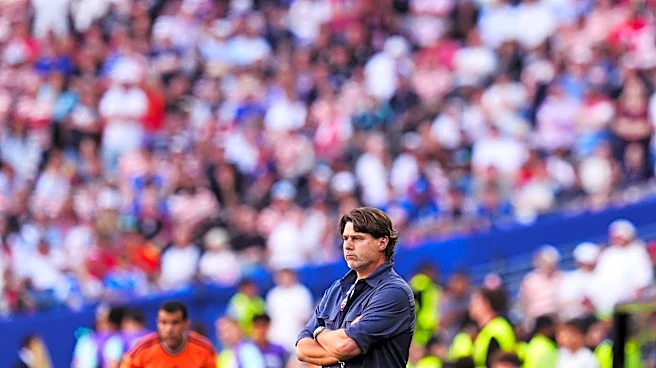
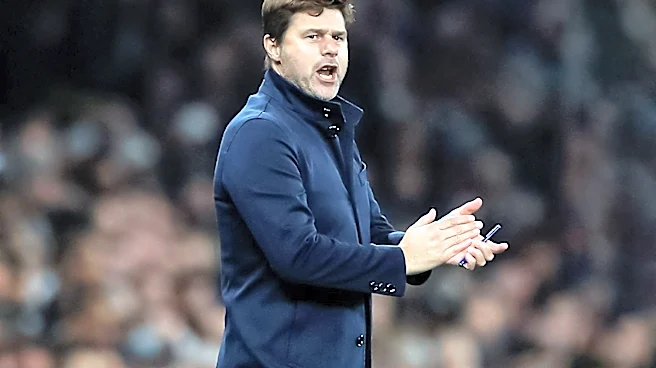
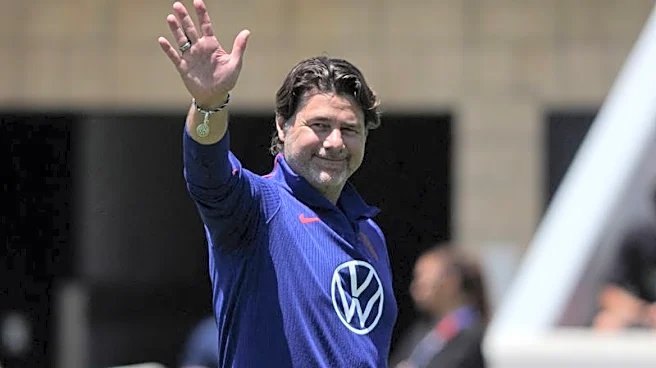
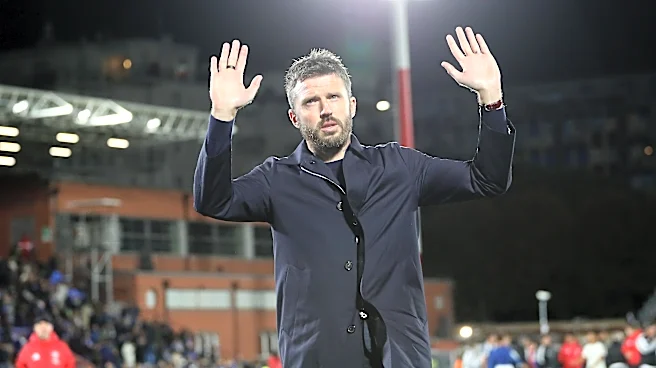
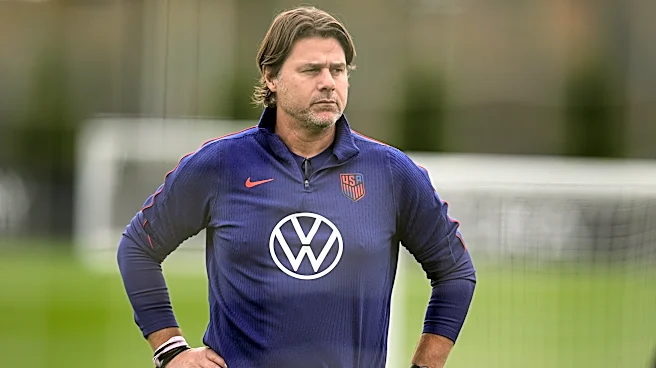
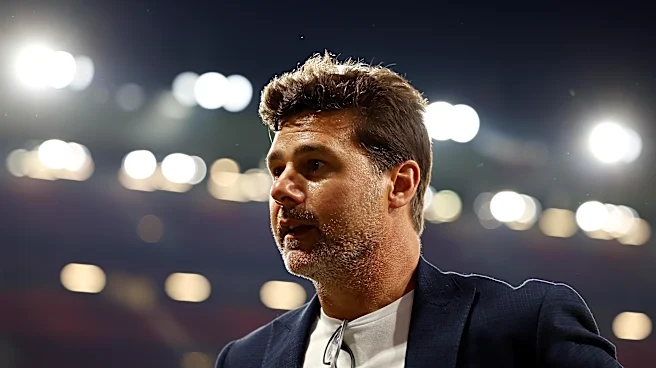
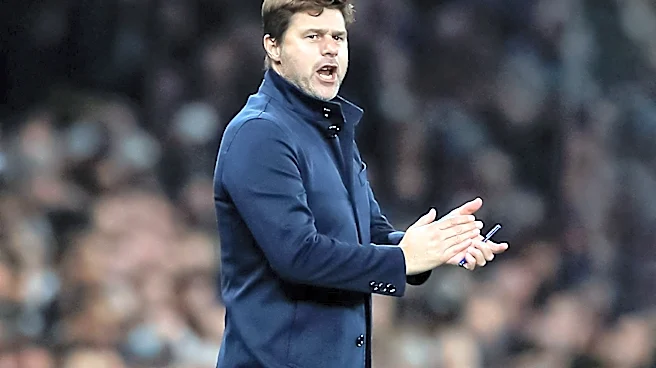
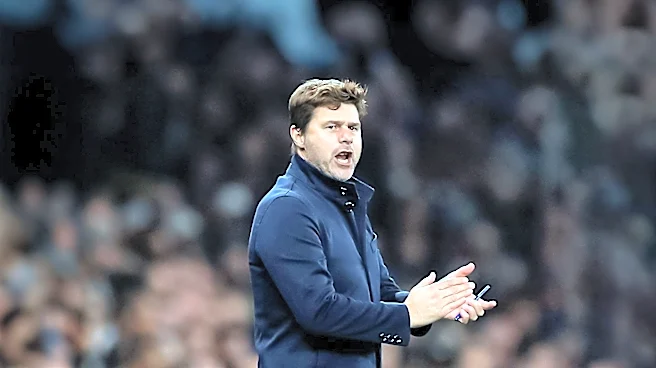
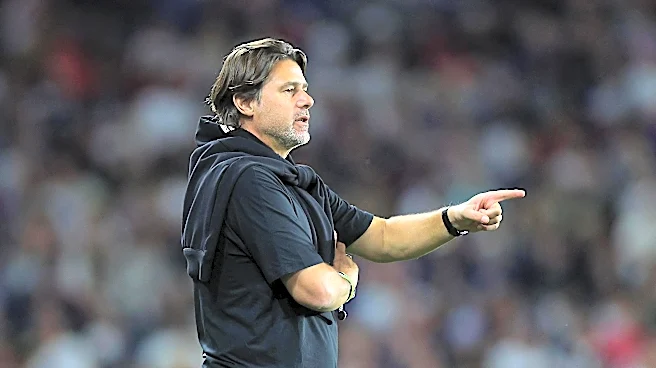
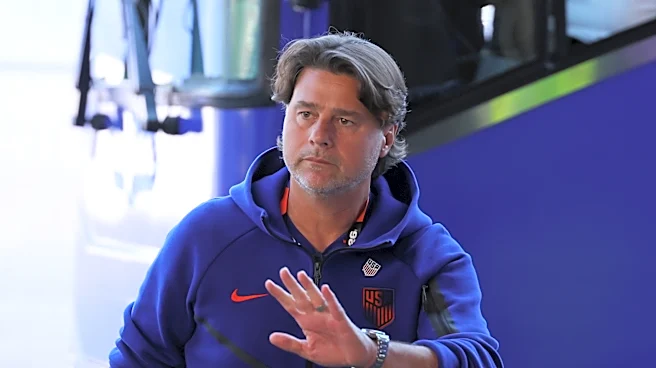
Mauricio Pochettino has been officially announced as the new manager for Manchester United, following the sacking of Michael Carrick. Pochettino quickly became the favored candidate for the position. While INEOS, a minority stakeholder, reportedly preferred
other candidates like Eddie Howe and Julian Nagelsmann, the influence of the Glazer brothers, the club's owners, was a decisive factor in Pochettino's appointment. He was brought in from his previous role with the US national team to take charge at Old Trafford. Pochettino's coaching philosophy emphasizes playing out from the back, creating overloads in attacking areas, and utilizing attacking full-backs. Defensively, his teams have evolved to be less reliant on high pressing. He is expected to be pragmatic in his approach, potentially maintaining the mid-block strategy previously employed by Carrick, especially given the current mobility issues in United's midfield.
Why It's Important?
The appointment of Mauricio Pochettino, reportedly driven by the Glazer brothers' influence, highlights the significant power dynamics within Manchester United's leadership. This decision could have substantial implications for the club's future performance and strategic direction. The Glazer family's continued involvement in key managerial decisions, despite the presence of new minority owner Sir Jim Ratcliffe, underscores their enduring control. For U.S. sports fans and investors, this situation illustrates the complexities of foreign ownership in major European football clubs and how ownership preferences can override other stakeholders' recommendations. The success or failure of Pochettino's tenure will inevitably be linked back to this decision, potentially impacting the club's brand value, financial performance, and fan sentiment, which has historically been critical of the Glazer ownership.
What's Next?
Pochettino is expected to implement his tactical philosophy, which may involve significant changes to the team's lineup and playing style. In the short term, he is unlikely to make drastic changes, with his initial starting XI potentially resembling Carrick's. However, changes are anticipated at full-back positions to align with his attacking demands. The new manager is also expected to play a leading role in upcoming transfer windows to supplement the squad, particularly given current injury concerns, such as Benjamin Sesko's absence until January. The club's transfer strategy, which has faced criticism, will be under scrutiny as Pochettino seeks to build a team capable of competing at the highest level. The ongoing dynamic between the Glazer brothers, INEOS, and the new management will be crucial in shaping the club's trajectory.
Beyond the Headlines
The Glazer brothers' decisive role in Pochettino's hiring, despite reported preferences from INEOS, points to a deeper power struggle within Manchester United's ownership structure. This situation could lead to further tensions and questions about the club's long-term governance model, especially as Sir Jim Ratcliffe's influence is meant to grow. The historical fan protests against the Glazer family, largely due to the debt incurred from their leveraged takeover, suggest that any perceived overreach or poor decision-making could reignite fan discontent. This scenario also raises broader questions about the balance of power between traditional club owners and new investors in the evolving landscape of global sports ownership, where financial control often dictates strategic direction, sometimes at odds with sporting expertise or fan desires.