





What's Happening?
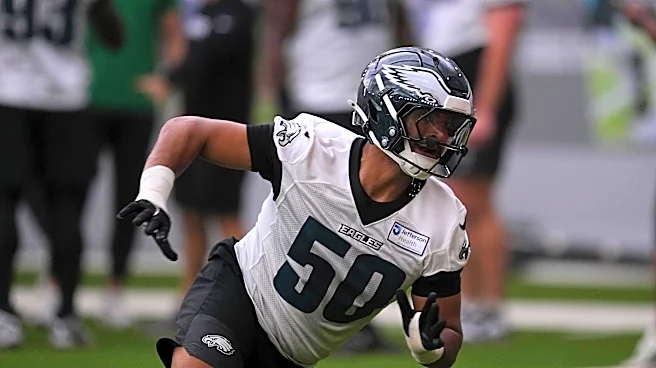
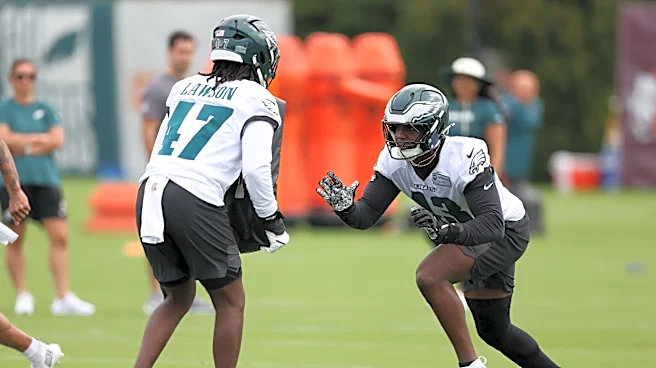
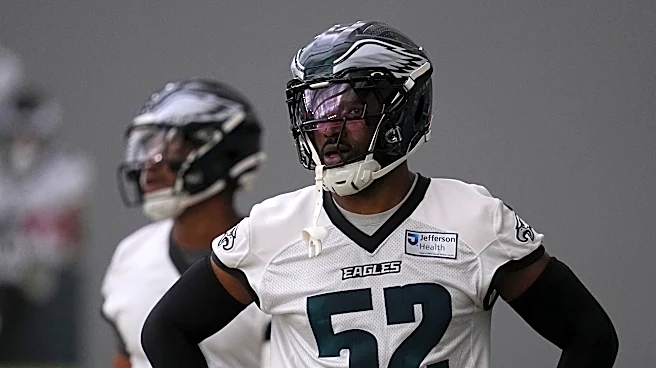
The Philadelphia Eagles are at risk of losing Uar Bernard, a 6-foot-5, 306-pound defensive tackle from Nigeria, who was drafted in the seventh round and is part of the International Player Pathway (IPP) program. Bernard, who had no prior organized American
football experience before being drafted, has been developing with the Eagles throughout the offseason and preseason alongside fellow IPP prospect Joshua Weru. While neither player made Philadelphia's 53-man roster, both cleared waivers and were signed to the practice squad. The Eagles are allowed to keep 17 players on their practice unit, one more than the usual 16, because Bernard is designated as an IPP player. However, a recent NFL rule change means that IPP players are now subject to the same practice squad rules as any other player, making them vulnerable to being signed away by other teams. Previously, teams could protect IPP players from being poached.
Why It's Important?
This rule change has significant implications for NFL teams investing in the International Player Pathway program. The IPP program aims to provide international athletes with an opportunity to compete in the NFL and develop their skills. Teams like the Eagles, who have invested time and resources into developing players like Bernard and Weru, now face the possibility of losing these prospects to rival teams without compensation. This could deter teams from heavily investing in IPP players if their development efforts can be easily exploited by others. For the Eagles, losing Bernard, who is described as a 'freak athlete' with immense potential, would mean a loss of their investment and a potential talent drain. It also highlights a shift in how the NFL manages its international talent pipeline, potentially impacting the long-term strategy for integrating global athletes into the league.
What's Next?
For now, Uar Bernard and Joshua Weru will remain on the Philadelphia Eagles' practice squad. However, due to the NFL rule change, any other team can sign them to their active roster at any time. This means the Eagles will need to continue their development efforts while being aware that their investment could be claimed by a competitor. The situation could lead to increased competition among teams for promising IPP players, as teams might try to 'poach' talent that has already undergone initial development. It remains to be seen if this rule change will impact the overall effectiveness or appeal of the International Player Pathway program for both players and NFL franchises in the long run. Teams might need to re-evaluate their strategies for protecting and retaining IPP talent.
Beyond the Headlines
The NFL's International Player Pathway program is a crucial initiative for expanding the league's global reach and diversifying its talent pool. This rule change, while seemingly minor, could have broader implications for the program's success and the league's international strategy. If teams become hesitant to invest heavily in IPP players due to the risk of losing them, it could slow down the development of international talent and limit opportunities for athletes from non-traditional football backgrounds. The ethical dimension of this change also comes into play, as it raises questions about fairness for teams that put in the initial development work. It could also lead to a more aggressive scouting and poaching environment for international players, potentially impacting player loyalty and team building dynamics within the league.