







What's Happening?
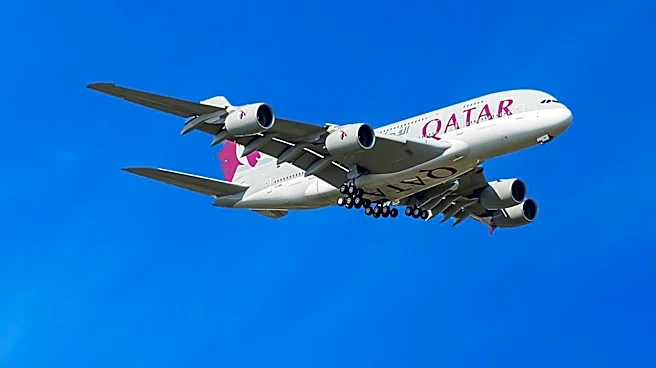
Qatar Airways has announced a significant delay in the launch of its Qsuite Next Gen business class, pushing its debut to mid-2027. The new cabin, initially slated for a 2025 launch on the Boeing 777-9, will now be featured on the Airbus A350-1000. Group
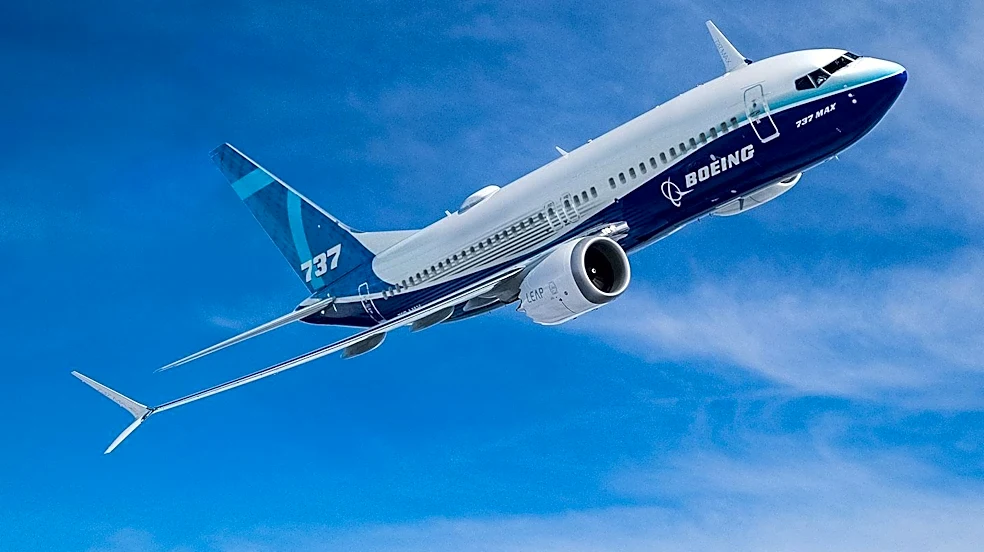
CEO Hamad Ali Al-Khater confirmed this revised timeline, as reported by Executive Traveller and One Mile at a Time. The Qsuite Next Gen was first unveiled in July 2024 at the Farnborough International Airshow, promising features like a movable 4K OLED Panasonic Astrova entertainment screen, digitally controlled privacy dividers, larger lie-flat and double beds, and touchscreen controls for lighting. The decision to switch from the Boeing 777-9 to the Airbus A350-1000 for the launch aircraft is primarily due to the ongoing certification delays of the Boeing 777-9, which is now anticipated for first delivery in 2027. Qatar Airways expects to receive approximately a dozen A350-1000 aircraft equipped with the new suites starting in mid-2027.
Why It's Important?
This delay and aircraft switch have notable implications for Qatar Airways' competitive strategy and passenger experience. The Qsuite Next Gen was positioned as a premium offering designed to enhance the airline's business class product, attracting high-value travelers. The postponement means competitors have more time to innovate or solidify their premium cabin offerings, potentially impacting Qatar Airways' market share in the luxury travel segment. Furthermore, the shift to the Airbus A350-1000, an aircraft already in Qatar Airways' fleet, suggests a pragmatic response to external challenges posed by Boeing's production issues. While the A350-1000 is a familiar and reliable aircraft for the airline, the lack of plans to retrofit existing A350-1000s means that only newly delivered jets will feature the Qsuite Next Gen. This could lead to inconsistencies in the passenger experience across the fleet, requiring travelers to carefully check seat maps to ensure they book flights with the new cabin. For the airline, managing customer expectations and communicating these changes effectively will be crucial to maintaining its reputation for premium service.
What's Next?
Qatar Airways will proceed with the integration of the Qsuite Next Gen into its newly delivered Airbus A350-1000 aircraft starting in mid-2027. The airline has not yet announced specific launch routes or a first flight date for the new cabin. Passengers interested in experiencing the Qsuite Next Gen will need to monitor Qatar Airways' announcements and check seat maps for specific flights once the new cabins begin to roll out. The ongoing delays with the Boeing 777-9 will continue to be a factor for airlines that have placed orders for the aircraft, potentially influencing their fleet planning and cabin upgrade strategies. Qatar Airways' decision to move forward with the A350-1000 for its new business class highlights the challenges airlines face in managing fleet modernization amidst aircraft manufacturing delays and certification processes.
Beyond the Headlines
The shift in Qatar Airways' Qsuite Next Gen launch from the Boeing 777-9 to the Airbus A350-1000 underscores broader industry challenges related to aircraft development and delivery timelines. Boeing's persistent delays with the 777-9, including a $4.9 billion charge in its Q3 2025 results and an anticipated 2027 first delivery, illustrate the complex engineering and regulatory hurdles in bringing new aircraft to market. These delays not only impact airlines' operational planning but also their ability to introduce new passenger experiences and maintain a competitive edge. For passengers, the consequence is a fragmented premium cabin experience, where the availability of cutting-edge features depends on the specific aircraft and its delivery date. This situation highlights the intricate relationship between aircraft manufacturers, airlines, and the ultimate consumer experience, where unforeseen technical and certification issues can ripple through the entire travel ecosystem, affecting innovation and service consistency.