







What's Happening?
Investors are expressing growing concern over the substantial capital expenditures required for the expansion of artificial intelligence infrastructure. This anxiety is particularly evident in the bond market, where major technology companies such as Google,
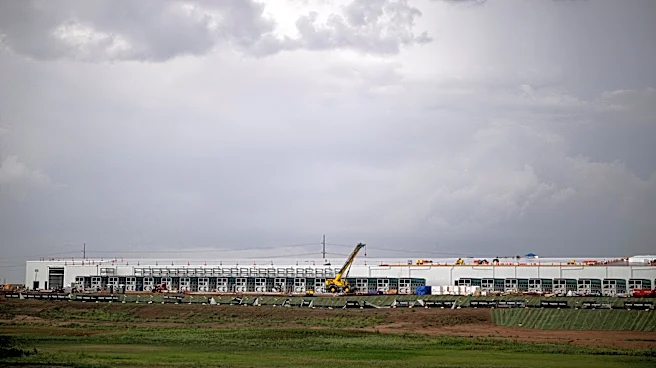
Amazon, and Meta are experiencing widening credit spreads. These spreads indicate that fixed-income investors are demanding higher returns to lend to these companies. The increase in capital expenditure budgets is partly attributed to the rising cost of energy, a significant expense for these tech giants as they rapidly construct large data centers across the United States. Alphabet's recent decision to raise its capital expenditure forecast has heightened concerns that other major tech firms might follow suit. Additionally, the current inflationary environment, exacerbated by geopolitical tensions and rising oil prices, is contributing to the financial strain. Analysts from Mizuho have noted that the increased capital expenditures are testing investor limits, as these companies are projected to spend more on capital expenditures than they generate in free cash flow by the next year.
Why It's Important?
The rising anxiety in the bond market over AI-related capital expenditures has significant implications for the technology sector and the broader economy. As major tech companies increase their spending to support AI infrastructure, they face the challenge of balancing these investments with maintaining financial stability. The widening credit spreads suggest that investors are becoming more cautious, potentially leading to higher borrowing costs for these companies. This situation could impact the pace of AI development and deployment, as companies may need to reassess their investment strategies. Furthermore, the increased energy costs and inflationary pressures could affect the profitability of these tech giants, influencing their stock performance and market valuations. The outcome of these financial dynamics will be closely watched by investors, policymakers, and industry stakeholders, as it could shape the future trajectory of AI innovation and its integration into various sectors.
What's Next?
As the situation unfolds, major tech companies may need to explore alternative strategies to manage their capital expenditures and mitigate investor concerns. This could involve seeking more efficient energy solutions, optimizing data center operations, or diversifying their investment portfolios. Additionally, companies might engage in more transparent communication with investors to address their concerns and provide clarity on their long-term AI strategies. Policymakers and regulators may also play a role in monitoring the financial health of these companies and ensuring that their expansion plans align with broader economic goals. The ongoing discussions between bond and equity investors will likely continue, as stakeholders assess the potential risks and rewards associated with AI investments. The outcome of these deliberations could influence future investment trends and the overall direction of the technology sector.