








What's Happening?
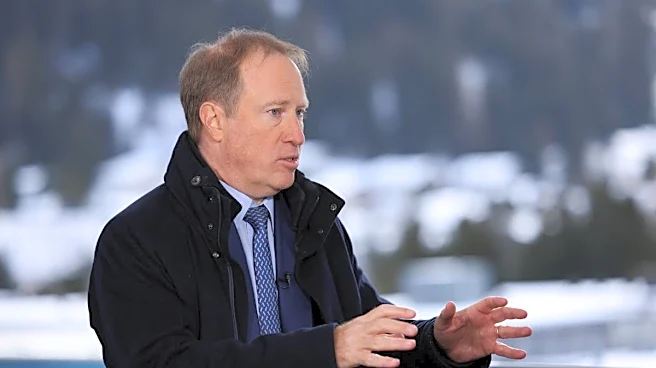
Novo Nordisk, the pharmaceutical company renowned for its GLP-1 weight-loss and diabetes drugs like Ozempic and Wegovy, is actively exploring the hair loss market as a potential new area for growth. Chief Scientific Officer Martin Lange indicated that
the company could leverage its existing scientific expertise, particularly in endocrinology and hormones, to venture into this new therapeutic category. This exploration is part of a broader strategy to diversify its product portfolio and reduce reliance on its blockbuster GLP-1 drugs, especially as it faces increasing competition from companies like Eli Lilly and anticipates a longer-term patent cliff for semaglutide, the active ingredient in Ozempic and Wegovy. While hair loss is not an immediate development priority, it is being considered alongside other areas such as menopause and addiction.
Why It's Important?
This strategic diversification by Novo Nordisk is significant for several reasons. Firstly, it signals the company's proactive approach to mitigating future risks associated with patent expirations and intense market competition in its current core areas. By exploring new therapeutic categories like hair loss, which affects an estimated 50 million men and 30 million women in the U.S. with no new FDA-approved therapy since the 1990s, Novo Nordisk aims to tap into a large, underserved consumer market. This move could reshape the pharmaceutical landscape by bringing a major player with substantial R&D capabilities into a field that has seen limited innovation. For consumers, it offers the potential for new, effective treatments for a condition that significantly impacts quality of life, potentially leading to a new wave of pharmaceutical solutions in personal care and consumer health.
What's Next?
Novo Nordisk's next steps will involve identifying a late-stage hair-loss asset or other consumer-focused treatment that it can advance toward the market. This could include internal research and development, or more likely, bolt-on deals and acquisitions to quickly gain a foothold in the sector. The company aims to have more than five drugs with multi-blockbuster potential by 2030 and expects over $23 billion in risk-adjusted pipeline sales by 2035, indicating a strong commitment to expanding its therapeutic reach. The success of this diversification will depend on its ability to translate its scientific expertise into effective and marketable products in these new areas, and to navigate the regulatory pathways for consumer-focused treatments.
Beyond the Headlines
Novo Nordisk's foray into hair loss highlights a broader trend in the pharmaceutical industry where companies are looking beyond traditional disease categories to address conditions with significant consumer demand and quality-of-life implications. This move blurs the lines between pharmaceuticals, personal care, and consumer health, potentially leading to new business models and market dynamics. It also underscores the increasing pressure on pharmaceutical companies to continuously innovate and diversify their pipelines to sustain long-term growth, especially in an era of rapidly evolving scientific understanding and competitive landscapes. The ethical and marketing considerations for a major pharmaceutical company entering a market often associated with cosmetic concerns will also be a key aspect to watch.