







What's Happening?
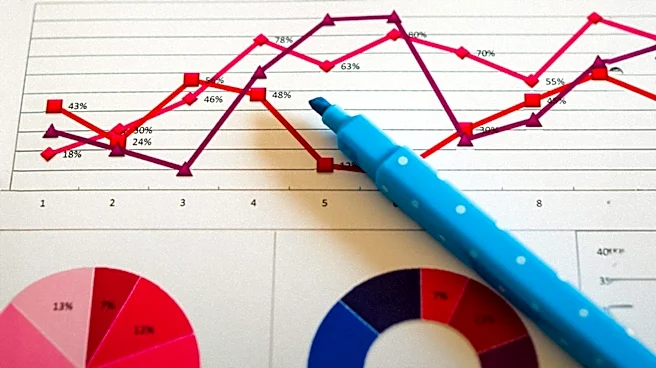
Data analytics involves examining data to identify patterns, understand relationships, answer business questions, and generate insights, utilizing techniques such as statistical analysis, data mining, predictive models, and machine learning. It can process
structured, semi-structured, and unstructured data. Data analysis is a more focused activity within analytics, concentrating on inspecting, transforming, comparing, and interpreting data for a specific question. Data science encompasses both data analytics and data analysis but often extends into statistical modeling, experimentation, programming, machine learning, optimization, and the development of reusable analytical methods. While both data analytics and business intelligence (BI) support data-driven decisions, they differ in their primary objectives. BI typically focuses on reporting and monitoring business performance, whereas data analytics delves deeper to explore relationships, investigate problems, and predict potential outcomes. Understanding these distinctions is crucial for businesses to select the appropriate capabilities for their reporting, analysis, and planning needs.
Why It's Important?
The clear differentiation between data analytics and business intelligence is vital for U.S. businesses seeking to optimize their decision-making processes and gain a competitive edge. By understanding the distinct roles, companies can strategically allocate resources and invest in the right tools and talent. Businesses that effectively leverage data analytics can anticipate market trends, identify customer behaviors, and forecast outcomes, leading to more proactive strategies and reduced risks. Conversely, a strong BI framework ensures consistent performance monitoring and provides a clear, historical view of operations, which is essential for accountability and routine operational decisions. Misinterpreting these fields can lead to inefficient data strategies, wasted investments in unsuitable technologies, and a failure to extract maximum value from available data, ultimately impacting profitability and market position across various U.S. industries.
What's Next?
As the volume and complexity of data continue to grow, the integration of data analytics and business intelligence is expected to become more seamless and critical for U.S. organizations. Businesses will likely increasingly combine both capabilities, using BI for consistent performance visibility and data analytics for deeper insights and predictive modeling. This integrated approach will enable a more comprehensive decision-making process, connecting real-time performance monitoring with advanced analytical investigations. The demand for professionals skilled in both areas, or specialized in one with a strong understanding of the other, will continue to rise. Furthermore, advancements in AI and machine learning will further enhance the capabilities of both BI and data analytics, allowing for more sophisticated pattern recognition, predictive accuracy, and automated insights, driving continuous improvement and innovation across sectors.
Beyond the Headlines
The evolving landscape of data analytics and business intelligence also raises significant ethical and governance considerations. As data-driven decision-making becomes more prevalent, questions surrounding data privacy, algorithmic bias, and the responsible use of predictive models come to the forefront. U.S. companies must navigate an increasingly complex regulatory environment, ensuring compliance with data protection laws while striving for transparency and fairness in their analytical practices. The long-term societal impact of these technologies, including potential shifts in employment due to automation and the need for a data-literate workforce, will also be critical. Organizations that prioritize ethical data practices and invest in robust governance frameworks will not only build greater trust with their customers but also mitigate potential legal and reputational risks, fostering a more sustainable and equitable data-driven future.