






What's Happening?
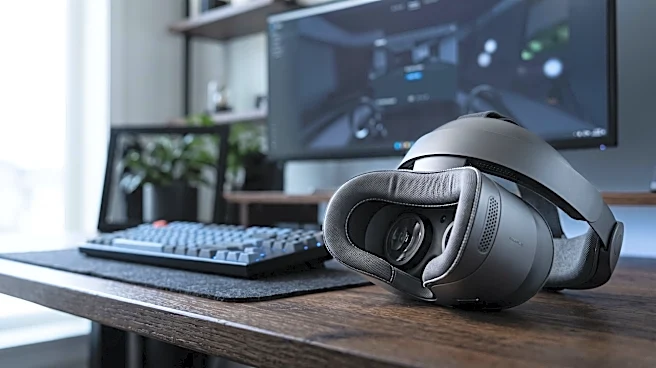
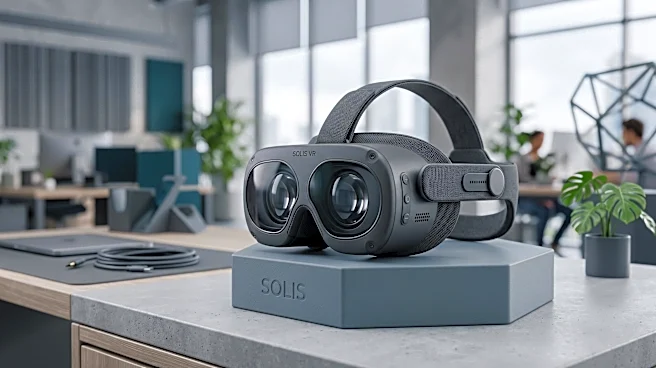
Two new Beta releases of SteamOS have been made available. One update, SteamOS 3.9.7 Beta, is intended for general use across Steam devices. The second update, SteamOS 0.5.11 Beta, is specifically designed for the Steam Frame VR headset. These beta releases indicate
ongoing development and refinement of the SteamOS operating system for both standard gaming applications and specialized virtual reality hardware. The updates aim to improve performance, stability, and introduce new features or bug fixes for their respective platforms. Users of Steam devices and the Steam Frame VR headset can access these beta versions to test the latest changes before their official public release.
Why It's Important?
The simultaneous release of SteamOS beta updates for general use and a dedicated VR headset underscores Valve's commitment to both its broader gaming ecosystem and its specific hardware initiatives. The general SteamOS update is crucial for maintaining the performance and competitiveness of Steam Deck and other SteamOS-powered devices, ensuring a consistent and improved gaming experience for a wide user base. The specific beta for the Steam Frame VR headset highlights the growing importance of virtual reality in Valve's strategy. This dedicated development effort suggests a focus on optimizing the VR experience, potentially leading to enhanced immersion, better compatibility with VR titles, and a more stable platform for VR content creators and consumers. These updates are vital for keeping Steam's hardware and software offerings at the forefront of the gaming and VR markets.
What's Next?
Users of Steam devices and the Steam Frame VR headset can expect to see these beta updates transition into stable releases in the near future, following community feedback and further testing. The continuous release of beta versions suggests an iterative development process, where Valve is actively gathering data and making adjustments based on real-world usage. This approach helps ensure that the final public releases are robust and address user needs effectively. Future updates are likely to focus on further performance optimizations, bug fixes, and potentially new features that enhance the user experience across both traditional gaming and virtual reality platforms. The ongoing development of SteamOS for the Steam Frame also indicates a long-term commitment to supporting and evolving Valve's VR hardware.
Beyond the Headlines
The parallel development of SteamOS for general gaming and a dedicated VR headset reflects a broader industry trend towards integrated hardware and software ecosystems. By tailoring its operating system for specific devices, Valve aims to deliver optimized performance and a seamless user experience, which can be a significant differentiator in a competitive market. This strategy could also foster a more cohesive developer environment, encouraging the creation of games and applications that leverage the unique capabilities of Steam's hardware. The continuous investment in VR-specific software development signals Valve's belief in the long-term potential of virtual reality, positioning Steam as a key player in shaping the future of immersive gaming and computing. This integrated approach could ultimately lead to more innovative and engaging experiences for consumers.