







What's Happening?
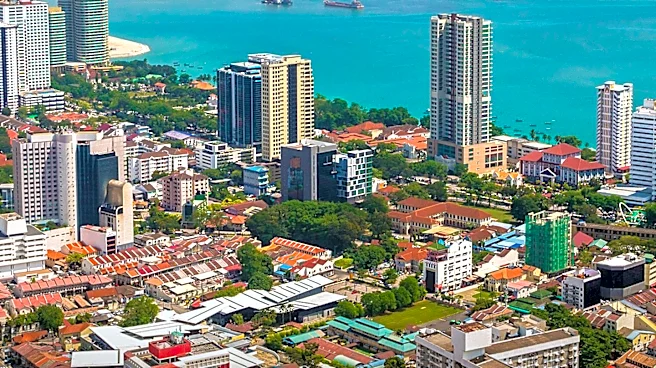
Penang, Malaysia, has been identified as the most affordable destination for digital nomads worldwide, according to an international study. The study, conducted by digital marketing agency Click Intelligence, assessed 26 cities across 15 countries, considering
factors such as living costs, internet connectivity, safety, and visa accessibility. Penang achieved an overall score of 0.78 out of 1, surpassing Busan, South Korea (0.72), and Kuala Lumpur, Malaysia (0.59). The research, published by U.S. personal finance website Moneywise in October, estimates that a single person can live in Penang for approximately $950 per month, including rent. This cost includes an average of €393 for a one-bedroom apartment near the city center, leaving around €457 for other expenses like food, transportation, and internet. In comparison, monthly living costs were estimated at €1,100 in Kuala Lumpur and €1,700 in Valencia.
Why It's Important?
This ranking highlights a growing trend in remote work and its impact on global economies and individual lifestyles. For U.S. digital nomads, this information provides a clear, budget-friendly option for international living, potentially influencing their relocation decisions and spending habits abroad. The affordability in Penang, combined with Malaysia's DE Rantau Nomad Pass, which allows eligible foreign remote workers to stay for 12 months with renewal options, makes it an attractive alternative to more expensive U.S. cities or other global hubs. This shift could lead to a brain drain from certain U.S. sectors if more professionals opt for international remote work, seeking lower living costs and a different quality of life. Conversely, it could also foster a more globally aware and experienced U.S. workforce upon their return, bringing diverse perspectives and skills back to the domestic market.
What's Next?
The recognition of Penang as a top digital nomad destination is likely to increase its appeal among remote workers globally, including those from the U.S. This could lead to a rise in demand for housing and services in Penang, potentially impacting local prices and infrastructure. Malaysian authorities may further refine their digital nomad visa programs to accommodate increased interest, potentially attracting more foreign currency and talent. For U.S. companies, this trend might necessitate a re-evaluation of remote work policies and benefits to retain talent who might otherwise seek international opportunities. Additionally, other countries and cities may look to Penang's model to develop their own strategies for attracting digital nomads, fostering a more competitive global market for remote workers.
Beyond the Headlines
The rise of digital nomadism, exemplified by Penang's ranking, signifies a broader cultural and economic shift away from traditional office-centric work models. This movement challenges conventional notions of residency, taxation, and community, prompting legal and ethical considerations for both individuals and governments. For U.S. citizens, navigating international tax obligations and healthcare while living abroad as a digital nomad can be complex. The widespread use of English in Penang, coupled with its cultural attractions and established network of cafes and coworking spaces, underscores the importance of soft infrastructure in attracting remote workers. This trend also raises questions about the long-term impact on local cultures and economies in popular digital nomad destinations, balancing the economic benefits with potential challenges like gentrification and cultural dilution.