





What's Happening?
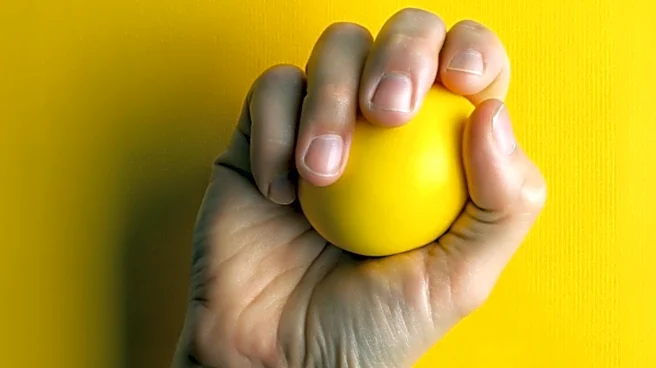
Stress-reduction tools, particularly the combination of stress balls and specific breathing techniques, are effective for providing temporary relief from acute situational stress. Squeezing a stress ball while synchronizing with breathing, such as inhaling
during a squeeze and exhaling during release, helps activate the parasympathetic nervous system, which lowers heart rate and eases muscle tension. This method provides a physical anchor for the brain, diverting attention from racing thoughts. Techniques like the breath-synchronized squeeze, the 4-7-8 adaptation, and the five-finger tracing method are highlighted as practical approaches. While these tools can significantly reduce immediate feelings of fear and anxiety, especially before high-stakes moments like interviews or medical procedures, they are not substitutes for clinical treatment for diagnosed chronic anxiety conditions. Mindpanda, a company specializing in stress relief products, emphasizes that these tools are for momentary relief and not a replacement for professional medical or therapeutic care when stress or anxiety consistently interferes with daily life.
Why It's Important?
The widespread availability and ease of use of stress-reduction tools like stress balls and breathing exercises offer accessible, immediate coping mechanisms for individuals experiencing acute stress in various U.S. settings, from workplaces to educational institutions. This is particularly important in a society where stress levels are often high due to demanding work environments, academic pressures, and personal challenges. By providing quick, non-pharmacological methods to manage stress spikes, these tools can help improve focus, reduce physical tension, and prevent minor stress from escalating into more severe anxiety. However, the distinction between situational relief and clinical treatment is crucial. Over-reliance on these tools for chronic conditions without professional intervention could delay necessary medical or psychological support, potentially worsening long-term mental health outcomes. Educating the public on the appropriate use and limitations of these tools is vital to ensure they complement, rather than replace, comprehensive healthcare strategies.
What's Next?
Individuals can integrate stress ball breathing techniques into their daily routines, with recommendations for practicing 60-90 second sessions three times a day for two weeks to build a habit. For children, adapted methods like the five-finger trace with simplified counts are suggested. In cases of panic or hyperventilation, the focus should be on lengthening the exhale, using the stress ball as a grounding point, rather than forcing deep breaths. Companies like Mindpanda are exploring ways to incorporate these tools into corporate wellness programs through bulk orders and customized products, aiming to make stress relief more accessible in the workplace. However, the ongoing emphasis will be on encouraging individuals to seek professional help from doctors or licensed therapists if stress or anxiety becomes chronic or significantly impacts daily functioning, reinforcing that these tools are a first-response measure, not a complete treatment plan.
Beyond the Headlines
The increasing integration of simple, tangible stress-reduction tools into daily life reflects a broader societal shift towards proactive mental wellness and self-care. While these tools offer practical benefits, their prominence also highlights the growing recognition of stress as a pervasive public health concern in the U.S. The emphasis on distinguishing between temporary relief and clinical treatment underscores an ethical dimension: the responsibility of product providers and wellness advocates to set realistic expectations and avoid over-medicalizing everyday stress or understating the severity of chronic anxiety. This trend could lead to more widespread adoption of mindfulness and relaxation techniques in various sectors, potentially influencing workplace policies, educational curricula, and personal health practices. The challenge lies in balancing accessible self-help with professional care, ensuring that individuals receive appropriate support for their mental health needs without relying solely on quick fixes.