




What's Happening?
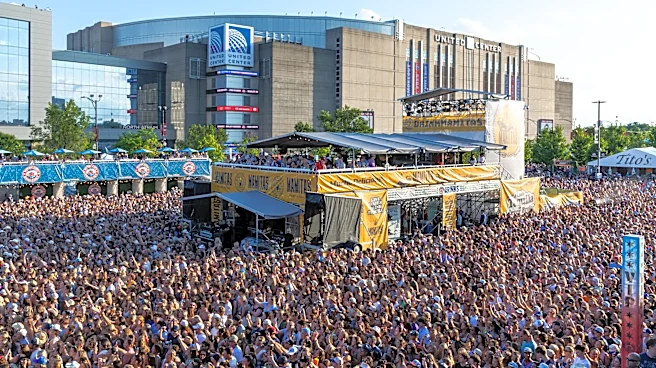
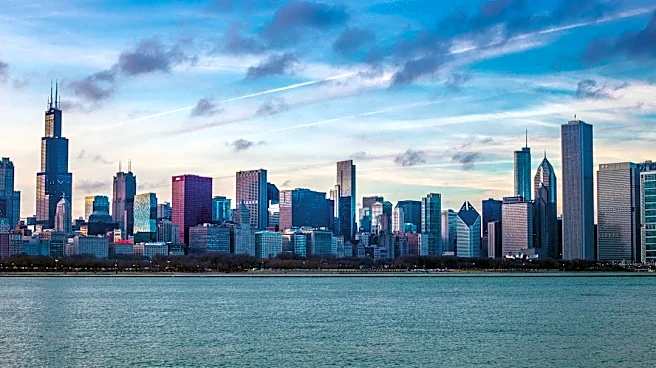
A proposal for new festival grounds in Chicago is raising questions regarding who will control and benefit from the public land use. Nick Heineman, co-owner of the independent music venue Bookclub, expressed concerns that such a development could mirror
the situation at Northerly Island Huntington Bank Pavilion, which is exclusively booked by Live Nation, leaving no room for independent venues. The existing agreement for Northerly Island, made in 2013, has not seen its revenue share adjusted for inflation since its annual renewal began in 2022, despite concert ticket prices nearly doubling. Illinois Attorney General Kwame Raoul has been involved in a multi-state antitrust lawsuit against Live Nation, citing anticompetitive business practices that led to higher prices and fees for Illinoisans. The lawsuit recently saw a victory for the states.
Why It's Important?
This proposal highlights a critical issue concerning fair competition and equitable access within the entertainment industry, particularly for independent businesses. If large corporations like Live Nation dominate new public venues, it could stifle the growth and sustainability of smaller, independent music venues, which are often vital to local culture and emerging artists. The lack of inflation adjustment in existing revenue-sharing agreements also raises questions about fairness and transparency in public-private partnerships, potentially depriving the city of deserved revenue. Attorney General Raoul's involvement in the antitrust lawsuit underscores the broader concern about monopolistic practices impacting consumers through inflated ticket prices and limited choices. The outcome of this proposal could set a precedent for how public land is utilized for entertainment events and whether it prioritizes corporate interests over local businesses and consumer welfare.
What's Next?
The debate surrounding the Chicago festival grounds proposal is expected to continue, with independent venue owners and advocates pushing for more inclusive policies. Stakeholders will likely scrutinize the terms of any new agreements to ensure fair access for a diverse range of promoters and artists. The recent victory in the antitrust lawsuit against Live Nation could empower regulators and local officials to demand more equitable terms in future contracts. Public discourse will likely focus on balancing economic development with supporting local businesses and cultural diversity. The city council or relevant authorities will need to address these concerns before making a final decision on the proposal, potentially leading to amendments that ensure broader participation and fair revenue distribution.
Beyond the Headlines
The discussion around Chicago's festival grounds touches upon deeper issues of urban planning, cultural preservation, and economic equity. The potential for large corporations to monopolize public spaces for entertainment events can lead to a homogenization of cultural offerings, reducing opportunities for niche genres and local talent. This situation also raises ethical questions about the role of government in fostering a competitive market versus facilitating large-scale corporate ventures. The long-term implications could include a decline in the vibrancy of Chicago's independent music scene and a reduction in consumer choice. This scenario underscores the ongoing tension between economic efficiency and social responsibility in urban development, prompting a re-evaluation of how public assets are managed to benefit the entire community, not just a select few.