


What's Happening?
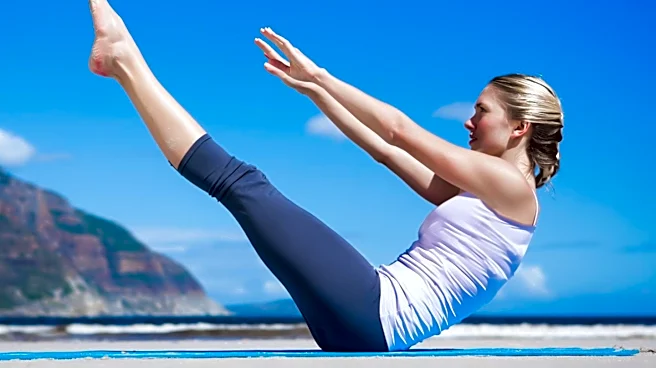
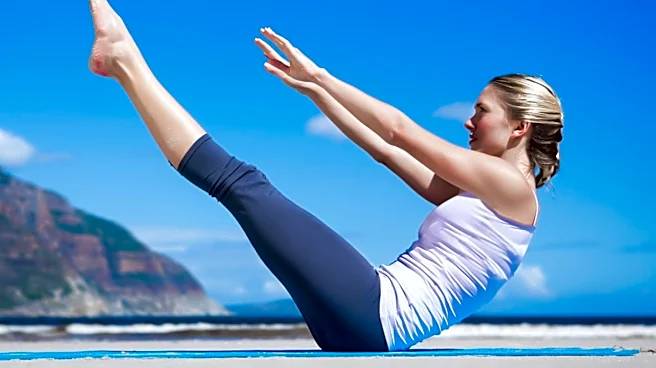
Pilates, a modern exercise system developed by Joseph Pilates in the early 1900s, focuses on strengthening the body's core, improving posture, increasing stability, and creating efficient movement. This practice, whether performed on a mat or specialized
equipment like the Reformer, emphasizes precision and control. According to Susan Blanchard, owner of Movement Pilates, core strength is vital as it supports nearly every daily movement. Karyn Staples, owner of ProHealth Physical Therapy and Pilates Studio, notes that clients often experience better posture awareness and improved quality of everyday movements, leading to increased ease in completing tasks and reduced body stress. Pilates is particularly known for strengthening the 'powerhouse'—the deep abdominal, back, pelvic, and hip muscles—which are crucial for good posture and spinal protection. This enhanced core strength contributes to better balance, fewer aches, and greater ease in performing daily activities.
Why It's Important?
The emphasis of Pilates on core strength and stability has significant implications for overall physical well-being and daily functionality. A strong core, as highlighted by Susan Blanchard, provides the foundation for strength, stability, and control, stabilizing the spine and pelvis, improving posture, and supporting balance. This translates into safer and more efficient execution of everyday activities such as bending, lifting, reaching, walking, standing, and carrying groceries. For individuals across various age groups and fitness levels, consistent Pilates practice can help reduce the risk of falls, alleviate stiffness, and support healthy aging. The focus on precise, controlled movements also fosters stronger movement patterns that extend beyond the workout, contributing to a higher quality of life by making physical tasks less strenuous and more efficient.
What's Next?
As awareness of the benefits of core strength and mindful movement grows, the integration of Pilates into broader fitness and wellness routines is likely to continue. Many fitness professionals suggest combining Pilates with other practices, such as yoga, to achieve a more comprehensive approach to physical health, as each discipline complements the other by addressing different aspects like strength, flexibility, and balance. The adaptability of Pilates to nearly all fitness levels, from beginners to athletes and older adults, suggests its continued relevance as a valuable addition to a healthy lifestyle. The ongoing focus on consistency in practice, rather than just choosing a 'perfect' workout, will remain a key factor in realizing the long-term benefits of Pilates for improved posture, stability, and efficient movement.
Beyond the Headlines
Beyond its immediate physical benefits, Pilates cultivates a deeper connection between mind and body through its requirement for concentration and careful attention to alignment, breathing, and muscle control. This mindful approach to movement can lead to enhanced body awareness, which is crucial for preventing injuries and improving overall physical literacy. The discipline's focus on creating stronger, more efficient movement patterns can have a profound impact on how individuals interact with their environment, potentially reducing chronic pain and improving quality of life. This emphasis on internal awareness and precise execution distinguishes Pilates as more than just a physical workout; it's a practice that fosters a more harmonious and functional relationship with one's own body, promoting long-term physical resilience and well-being.