





What's Happening?
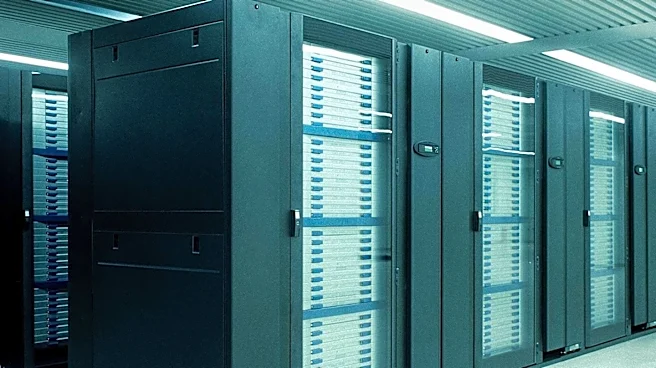
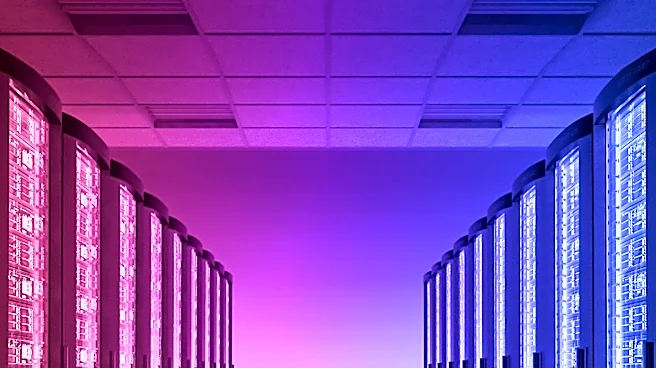
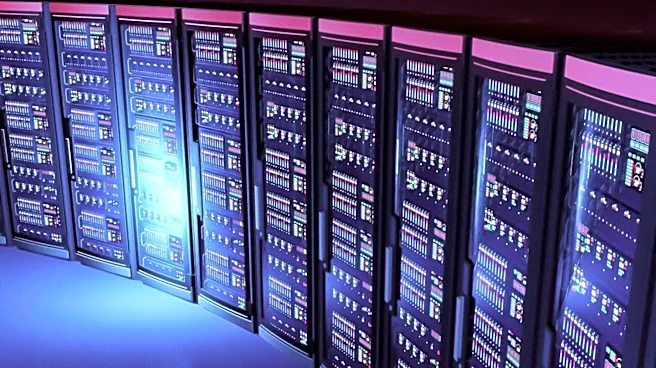
The rapid expansion of data centers across the United States, driven by the increasing demand for AI computing power, is raising environmental and community concerns. Data centers, which house thousands of servers and require significant electricity and water
resources, are often built near residential areas, leading to debates over their impact on local communities. AI models, when asked about ideal locations for data centers, suggested prioritizing areas with adequate resources and avoiding environmentally sensitive locations. Despite these recommendations, the reality often involves conflicts over resource use and transparency in the approval process.
Why It's Important?
The expansion of data centers is crucial for supporting the growing AI economy, but it poses significant challenges for local communities and the environment. The high resource consumption of these facilities can strain local infrastructure and increase utility costs. As AI continues to drive demand for data centers, balancing economic benefits with environmental and community impacts becomes increasingly important. This situation underscores the need for transparent decision-making processes and community engagement in planning new data center projects.
What's Next?
As AI adoption grows, the development of data centers is expected to remain a contentious issue. Local governments and communities will likely continue to scrutinize new proposals, focusing on their environmental and social impacts. Developers may need to adopt more sustainable practices and engage with communities to address concerns. The ongoing debate over data center locations and their implications will likely shape future policies and regulations in the tech industry.