



What's Happening?
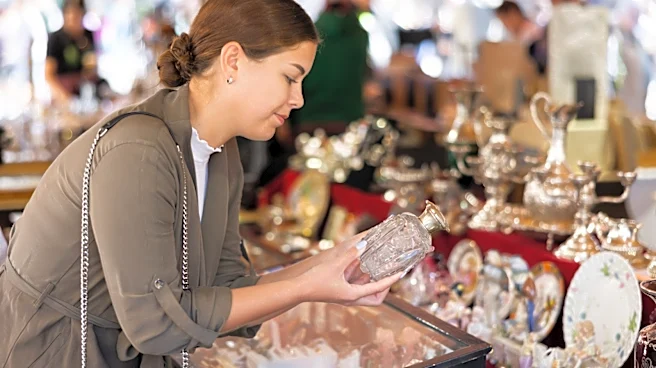
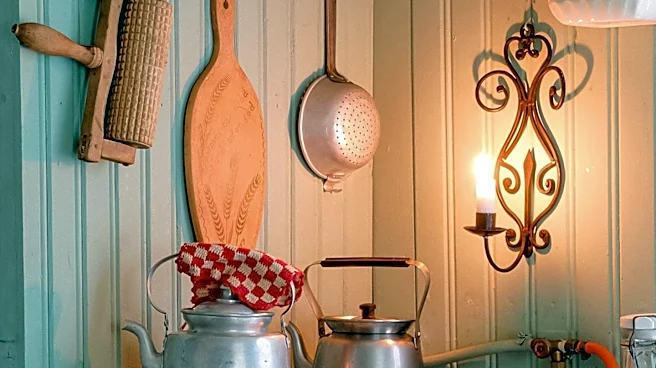
Cottagecore decor is gaining popularity for its emphasis on vintage, natural, and personally meaningful items to create an inviting and timeless home aesthetic. This style encourages the use of existing possessions, such as ironstone, transferware, antique
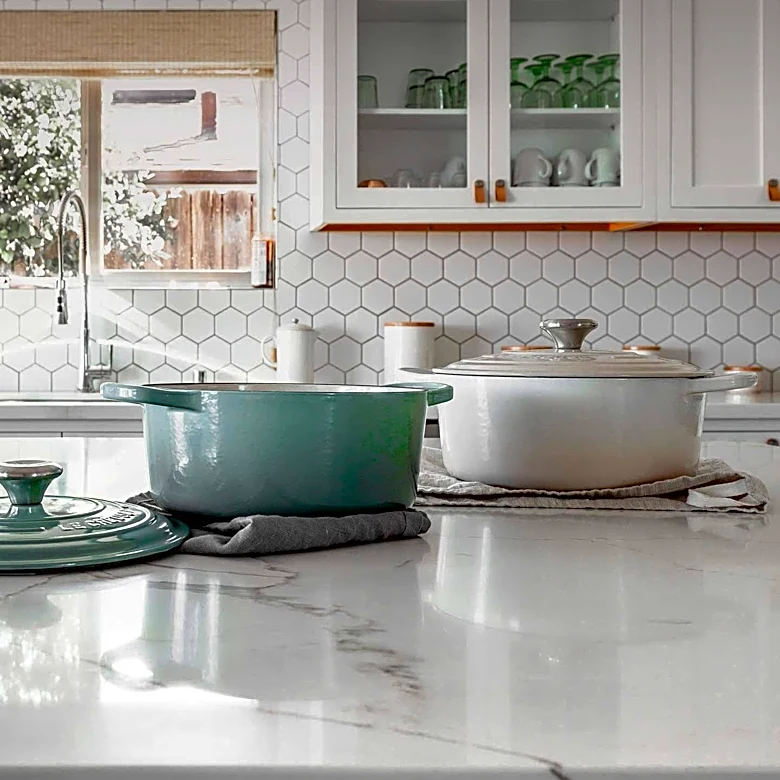
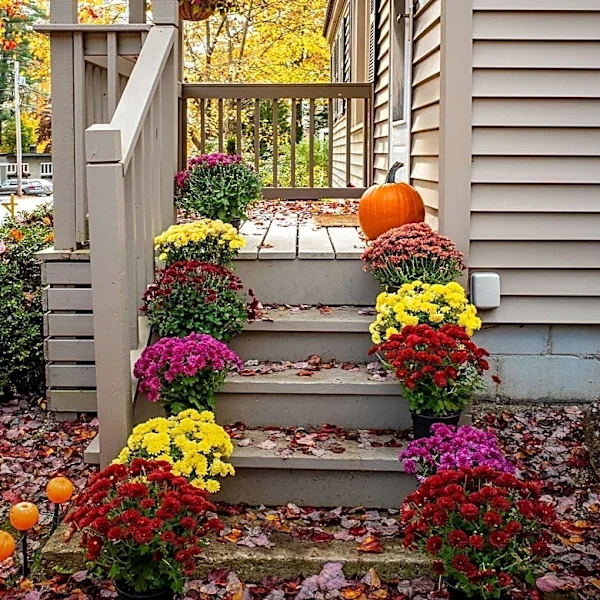
wooden pieces, and natural linens, rather than purchasing new items. Key elements include autumn foliage, treasured family decor, ruffle quilts, vintage wall art, and upcycled thrifted glass bottles used as vases. The aesthetic is characterized by soft colors, floral patterns, and rustic elements, often seen in country-inspired settings. For instance, The Pioneer Woman offers a cottagecore-inspired dinnerware set featuring floral patterns and scalloped edges, designed to complement this cozy and warm home style. The trend highlights creating a home that feels personal and nostalgic, often incorporating elements like apron-front sinks and breezy curtains in kitchen settings.
Why It's Important?
The rise of cottagecore decor reflects a broader societal shift towards sustainability, personal expression, and a desire for comfort and nostalgia in home environments. By advocating for the use of existing items and thrifted finds, this trend promotes conscious consumption and reduces reliance on mass-produced goods, which can have positive environmental implications. Economically, it supports the market for vintage and antique goods, as well as small businesses specializing in handcrafted or unique decor. For consumers, it offers an accessible way to refresh living spaces without significant financial outlay, fostering creativity through DIY projects like painting thrifted bottles. Culturally, cottagecore taps into a yearning for simpler times and a connection to nature, providing a sense of calm and warmth amidst modern life's complexities. This aesthetic influences not only home decor but also fashion, art, and lifestyle choices, shaping consumer preferences and market demands in related industries.
What's Next?
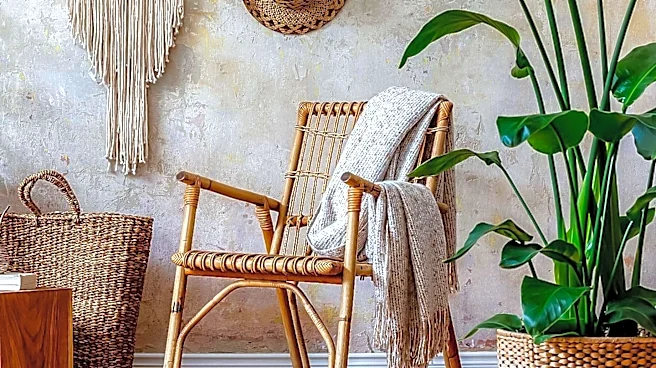
The cottagecore trend is expected to continue influencing home decor and lifestyle choices, with a potential increase in demand for vintage markets, antique shops, and DIY crafting supplies. Retailers may further adapt their product lines to include items that align with the cottagecore aesthetic, such as floral dinnerware, natural fiber textiles, and rustic furniture. We may see more collaborations between designers and brands to create collections that embody this style, similar to The Pioneer Woman's offerings. Additionally, the emphasis on sustainability and personal touches could lead to a greater focus on upcycling workshops and community-based initiatives that promote sharing and repurposing household items. Social media platforms will likely remain a significant driver for the trend, with influencers continuing to showcase cottagecore-inspired homes and DIY projects, further solidifying its presence in mainstream culture.
Beyond the Headlines
Beyond its aesthetic appeal, cottagecore decor embodies a deeper philosophical movement that prioritizes comfort, self-sufficiency, and a romanticized connection to rural life. It challenges the fast-paced, consumer-driven aspects of modern society by encouraging a slower, more intentional approach to living and decorating. This trend can be seen as a form of escapism, offering a sanctuary from digital overload and urban pressures. Ethically, it promotes a more sustainable lifestyle by valuing longevity and repurposing over disposability. Culturally, it fosters an appreciation for craftsmanship, heritage, and the stories embedded in vintage objects. The emphasis on creating a 'meaningful' home with 'treasured family decor' also highlights the emotional and psychological benefits of surrounding oneself with items that evoke personal history and comfort, contributing to overall well-being and a sense of belonging.