




What's Happening?
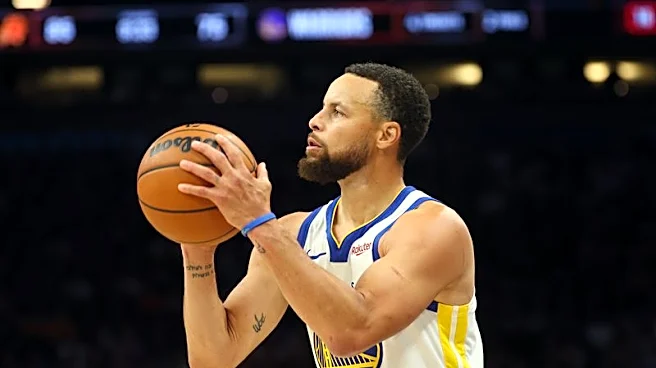
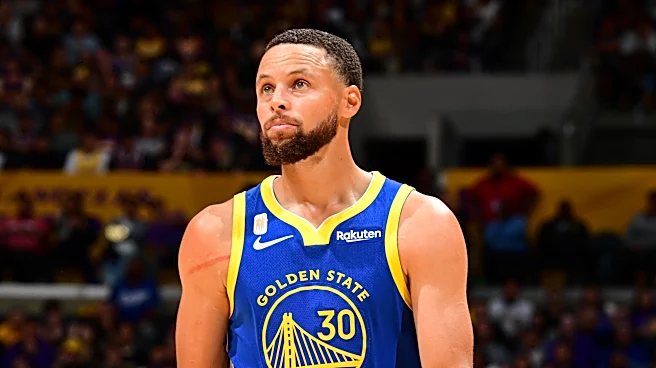
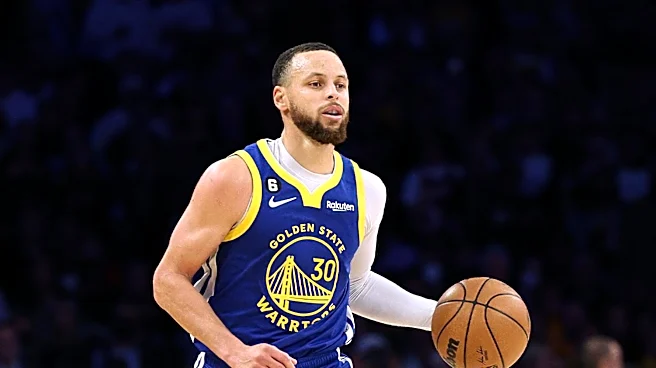
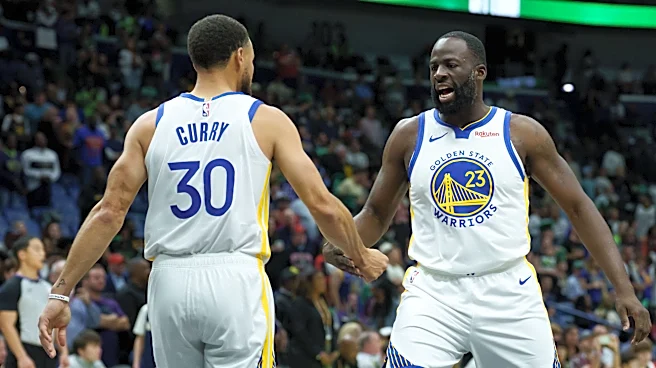
Stephen Curry has agreed to a two-year, $116 million contract extension with the Golden State Warriors, which includes a player option for the 2028-29 season. This deal secures Curry's future with the only NBA franchise he has ever played for, potentially
extending his tenure through his 20th season. Notably, Curry opted to sign for less than the maximum possible extension, leaving approximately $20.7 million on the table. The maximum he was eligible for was a two-year, $136.7 million deal. This decision provides the Warriors with additional financial flexibility, estimated to be around $10 million more in cap space for the upcoming summer. The agreement also pushes Curry's projected career on-court earnings to $652 million, making him the first player in NBA history to surpass the $600 million mark in career salary, surpassing figures like LeBron James and Kevin Durant. This marks Curry's sixth contract with the Warriors, following a previous four-year, $44 million rookie extension that proved to be a significant bargain for the team.
Why It's Important?
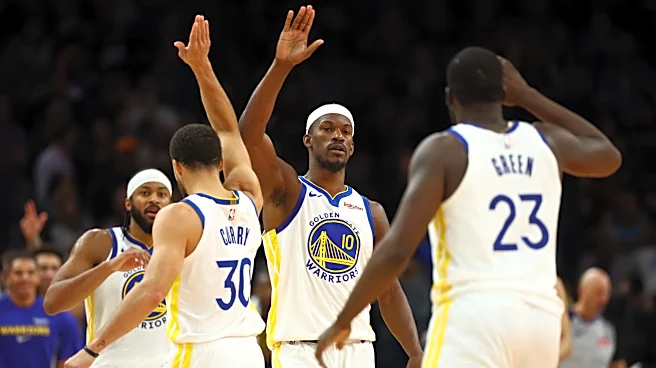
Stephen Curry's decision to accept a lower-than-maximum contract extension carries significant implications for the Golden State Warriors' roster construction and long-term competitiveness. By foregoing over $20 million, Curry has directly contributed to the team's financial flexibility, which is crucial in the NBA's salary cap environment. This additional cap space, estimated at $10 million, allows the front office more options to acquire or retain talent around Curry, rather than being constrained by salary limitations. This move signals Curry's commitment not only to the franchise but also to its future success, demonstrating a willingness to prioritize team building over personal maximum earnings. This approach could enable the Warriors to make strategic moves in the upcoming off-season, potentially re-signing key players like Draymond Green or Jimmy Butler, whose contracts expire, or pursuing new additions. The financial maneuver could be a critical factor in extending the team's championship window and ensuring they remain competitive in a league where player salaries are rapidly increasing.
What's Next?
The immediate consequence of Curry's extension is the squashing of any speculation regarding his future with the Warriors, allowing the team to focus on the upcoming season without distraction. The added cap flexibility will become a key factor for the Warriors' front office in the next summer's free agency period. With other major contracts, such as those of Jimmy Butler and Draymond Green, expiring after the upcoming season, the additional cap space will provide the team with more leverage and options for re-signing these players or pursuing other talent. The partially guaranteed salary of Kristaps Porzingis also contributes to this flexibility. This strategic financial positioning will enable the Warriors to actively build around Curry, aiming to strengthen the roster rather than merely maintaining the current one. The long-term impact will be seen in how the Warriors utilize this newfound flexibility to navigate the evolving NBA salary landscape and continue their pursuit of championships.
Beyond the Headlines
Curry's contract decision transcends a simple financial transaction; it highlights a rare instance of a superstar prioritizing team success and long-term organizational health over individual maximum earnings. This move sets a precedent for player-franchise loyalty and collaboration, particularly in an era where player movement and pursuit of larger contracts are common. It underscores Curry's deep connection to the Warriors and his desire to finish his career with the team that drafted him, echoing the legacies of players like Dirk Nowitzki, Kobe Bryant, and Tim Duncan. This willingness to leave money on the table could foster a stronger team culture and attract other players who value winning and stability. Furthermore, it demonstrates a sophisticated understanding of the NBA's financial mechanics, where even a slight increase in cap space can significantly impact a team's ability to contend. This decision could influence how other star players approach their contract negotiations, potentially encouraging a more team-centric financial strategy in the future.