



What's Happening?
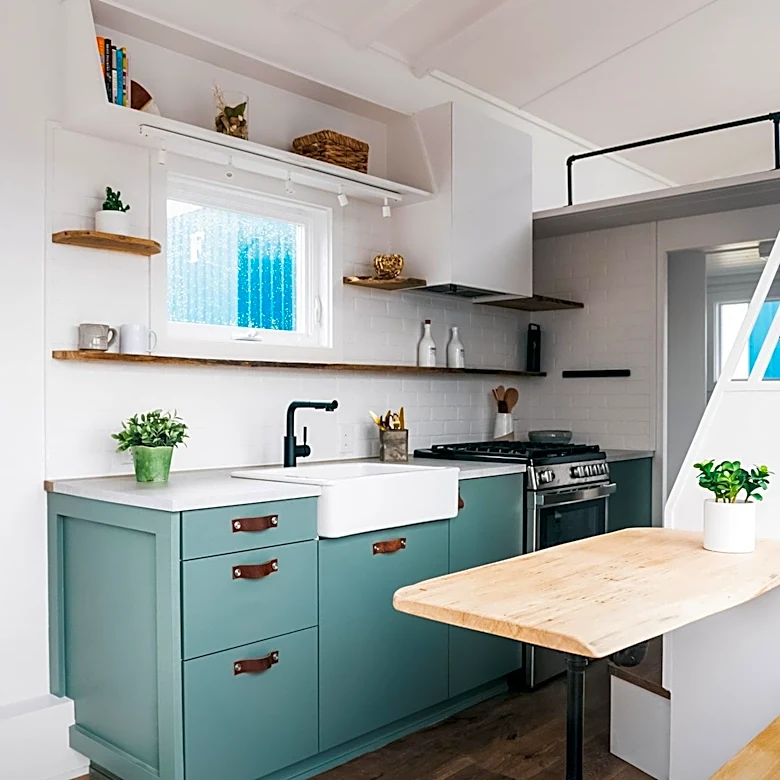
Multifunctional furniture is gaining popularity as a practical solution for maximizing space in small condos and urban dwellings. Pieces designed to serve multiple purposes, such as storage ottomans, extendable dining tables, and wall beds with built-in
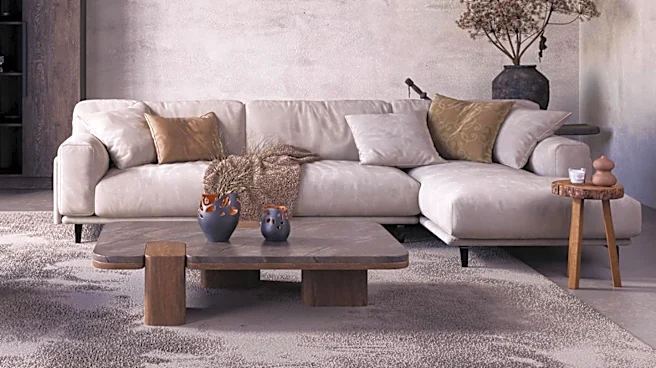
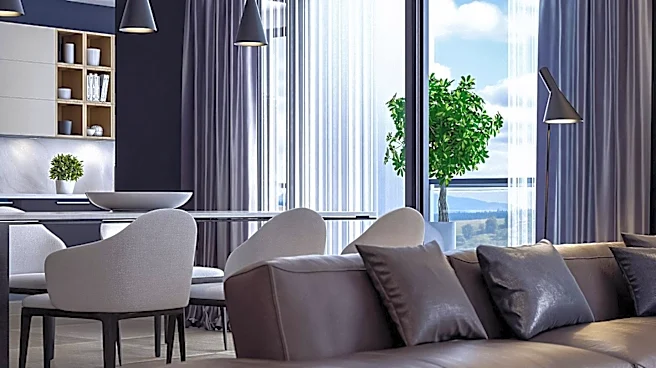
desks, are becoming essential for residents in compact living environments. These innovative furniture items allow a single room to adapt to various functions throughout the day, such as a bedroom transforming into an office or living space. The trend is driven by the increasing number of city dwellers residing in smaller square footage, making efficient space utilization a priority. Examples include sofa beds that offer comfort for both sitting and sleeping, nesting tables that can be scattered for entertaining, and console tables that expand into full dining tables.
Why It's Important?
The growing demand for multifunctional furniture in the U.S. reflects a significant shift in urban living dynamics. As housing costs rise and apartment sizes shrink, particularly in major cities, consumers are actively seeking ways to optimize their living spaces without compromising functionality or style. This trend impacts the furniture industry by fostering innovation in design and production, leading to a wider array of versatile products. For urban residents, these solutions offer improved quality of life by making small spaces feel larger, more organized, and adaptable to diverse needs, from hosting guests to working from home. The economic impact includes increased sales for companies specializing in space-saving designs and a potential decrease in demand for traditional, single-purpose furniture items, influencing manufacturing and retail strategies.
What's Next?
The market for multifunctional furniture is expected to continue expanding as urbanization trends persist and living spaces remain compact. Future innovations may include more integrated smart technology within furniture pieces, further enhancing their utility and convenience. Designers and manufacturers will likely explore new materials and construction techniques to create even more compact, durable, and aesthetically pleasing multi-purpose items. Consumers can anticipate a broader selection of customizable and modular options that cater to specific spatial constraints and lifestyle preferences. This ongoing evolution will likely see multifunctional furniture become a standard rather than a niche product, influencing interior design norms and consumer expectations for home furnishings in urban environments.
Beyond the Headlines
Beyond its practical benefits, the embrace of multifunctional furniture signifies a deeper cultural shift towards minimalist living and conscious consumption. It encourages individuals to critically evaluate their possessions and prioritize utility and adaptability over sheer volume. This trend can foster a more sustainable approach to home furnishing, as pieces are designed for longevity and versatility, potentially reducing the frequency of furniture replacement. The psychological impact of living in well-organized, adaptable spaces can also contribute to reduced stress and increased well-being. Furthermore, the ingenuity in designing these pieces reflects a creative response to environmental and economic pressures, highlighting how design can solve complex societal challenges related to space and resource management.