


What's Happening?
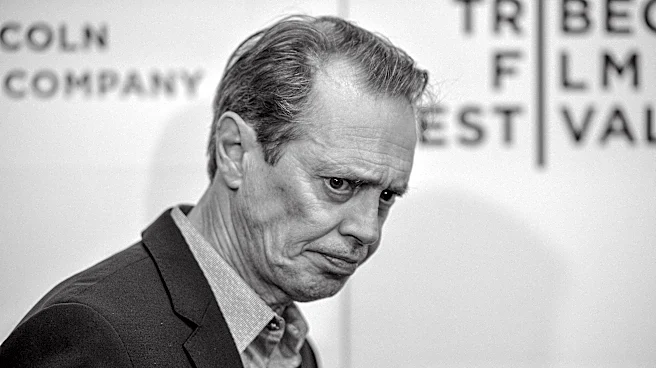
Actor Steve Buscemi, known for his distinctive roles in numerous films, has voiced a strong desire to direct more movies. Despite a busy acting schedule that often sees him appearing in multiple films annually, Buscemi views directing as a challenging
and fulfilling endeavor. His directorial debut was in 1996 with 'Trees Lounge,' followed by 'Animal Factory' and subsequent features like 'Lonesome Jim,' 'Interview,' and 'The Listener.' While these independent films have garnered critical acclaim, they have generally seen limited box office success. Buscemi, who also has a background in theater where he wrote and performed his own work, expressed in a 2000 interview with IndieWire that directing feels like a 'new beginning' and he doesn't want to 'sit and just wait by the phone for the next job.' He seeks the creative input and control that directing offers, a sentiment he reiterated when discussing his motivation for making 'Animal Factory,' which featured a notable cast including Willem Dafoe and Danny Trejo.
Why It's Important?
Buscemi's expressed ambition to direct more frequently highlights a common challenge for established actors seeking to transition or expand into directorial roles within the U.S. film industry. While his acting career is robust, his directorial projects, despite critical praise, have struggled to achieve significant commercial success. This situation underscores the financial risks associated with independent filmmaking, even for projects helmed by recognizable names. For the industry, it points to the difficulty of balancing artistic vision with commercial viability, particularly in a market often dominated by large studio productions. His proactive approach to creating his own opportunities, rather than solely relying on acting offers, could inspire other artists to pursue their creative passions beyond their primary roles, potentially enriching the independent film landscape with diverse voices and narratives.
What's Next?
Given Buscemi's consistent drive and his history of taking on diverse projects, it is likely he will continue to seek out or create opportunities to direct. While specific future directorial projects are not mentioned, his past pattern suggests he may continue to focus on independent films, potentially leveraging his network of acclaimed actors to attract talent. The challenge for his future directorial endeavors will be to find a balance between critical reception and commercial appeal, or to secure funding models that prioritize artistic integrity over box office returns. His continued involvement in both acting and directing could also influence younger generations of filmmakers and actors, demonstrating the value of creative autonomy and perseverance in a competitive industry.
Beyond the Headlines
Buscemi's dual career as a prolific actor and an aspiring director touches upon deeper themes within the entertainment industry, particularly the artistic fulfillment sought by individuals who have achieved mainstream success. His preference for directing, despite its lower commercial returns compared to his acting roles, suggests a pursuit of creative control and a desire to shape narratives from conception to completion. This reflects a broader artistic impulse to move beyond being a performer to becoming a storyteller. Furthermore, his past volunteer work as a firefighter after 9/11 reveals a multifaceted individual whose contributions extend beyond the entertainment sphere, adding a layer of civic engagement to his public persona. This blend of artistic dedication and community involvement paints a picture of an artist deeply invested in both his craft and the world around him.