





What's Happening?
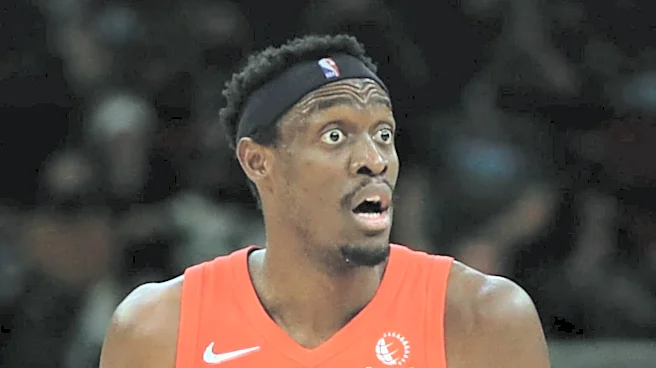
Toronto Raptors head coach Darko Rajakovic voiced strong dissatisfaction regarding the officiating in his team's 121-114 loss to the Orlando Magic on October 30, 2026. Rajakovic highlighted a significant disparity in free-throw attempts, noting that the Magic attempted
29 free throws compared to the Raptors' 15. He specifically pointed out that Raptors player Scottie Barnes, who scored a career-high 41 points, only received three free-throw attempts, which Rajakovic described as 'B.S.' The coach asserted that both teams played with similar aggression and physicality, suggesting that the officiating criteria should have been consistent for both sides. This public critique followed a game where the Raptors were unable to replicate their previous dominant performance against the Magic, struggling to maintain defensive intensity and offensive rhythm throughout the contest. The team's collective energy, usually central to Rajakovic's system, was also a point of concern as they faced a Magic team that made adjustments from their prior defeat.
Why It's Important?
Rajakovic's comments underscore a recurring point of contention in professional basketball regarding officiating consistency and its impact on game outcomes. Such public statements from a head coach can draw attention to officiating patterns and potentially influence future game management by referees. For the Raptors, perceived unfairness in foul calls can affect player morale and strategic approaches, as players might become hesitant to drive aggressively if they feel they won't be rewarded with free throws. This disparity can also alter game flow, giving one team more opportunities to score with the clock stopped, which is crucial in close contests. From a broader league perspective, consistent officiating is vital for maintaining competitive balance and the integrity of the game. When coaches openly criticize officiating, it often sparks debate among fans and analysts about the standards applied by referees, potentially leading to reviews or clarifications from the league office regarding officiating guidelines.
What's Next?
Following Rajakovic's public comments, the NBA may review the officiating of the Raptors-Magic game to assess the validity of his concerns. While direct disciplinary action against officials is rare, such scrutiny can lead to internal discussions about performance and consistency. For the Raptors, the coaching staff will likely continue to emphasize aggressive play while also potentially strategizing on how to draw more fouls or adapt to perceived officiating biases in future games. Players like Scottie Barnes, who are primary offensive initiators, may need to adjust their approach to drawing contact. The team will also focus on maintaining the defensive intensity and offensive rhythm that characterized their earlier dominant performance against the Magic, as they prepare for future matchups and aim to establish greater consistency in their play regardless of external factors like officiating.
Beyond the Headlines
The frustration expressed by Coach Rajakovic touches upon a deeper issue within professional sports: the subjective nature of officiating and its profound influence on athletic competition. Beyond the immediate impact on a single game, persistent perceived inconsistencies in officiating can erode trust in the fairness of the sport among teams, players, and fans. This can lead to broader discussions about the role of technology in officiating, such as increased use of replay reviews or even AI-assisted decision-making, to reduce human error and bias. The emotional toll on players who feel their efforts are not being fairly judged can also be significant, potentially affecting their performance and overall engagement. Ultimately, maintaining a high standard of officiating is crucial for the credibility and entertainment value of the league, as it ensures that games are decided primarily by the skill and strategy of the teams rather than by external factors.