



What's Happening?
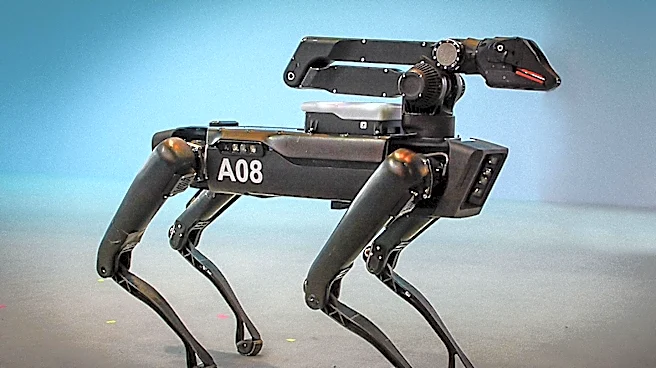
Physical AI and robotics are experiencing a significant transformation, with robots increasingly utilizing artificial intelligence to enhance their capabilities beyond deterministic programming. This shift allows robots to perceive, comprehend, decide,
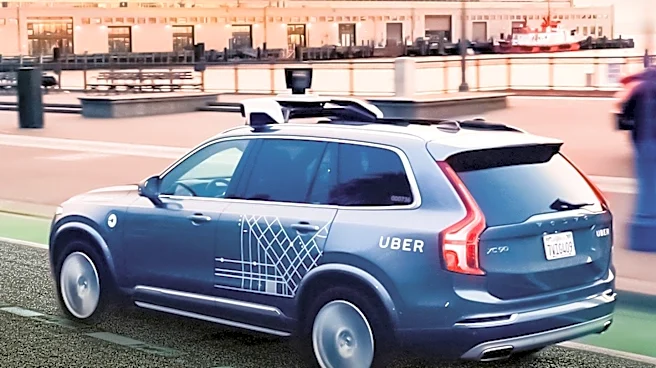
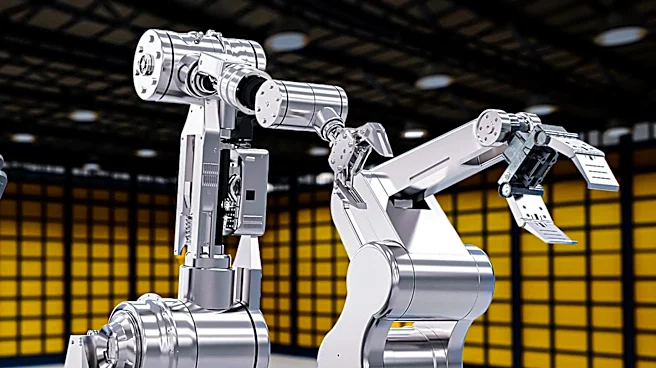
and act autonomously, paving the way for advanced automation in various sectors such as factories and warehouses. In 2026, physical AI firms have secured over $23 billion in venture capital, with major investments in companies like Waymo, Skild AI, NEURA Robotics, and Physical Intelligence. These investments focus on foundation models, industrial automation, and autonomous vehicle and humanoid form factors. The demand for hyperscale data centers is also rising, as robots are seen as potential assistants in building and maintaining these facilities.
Why It's Important?
The integration of AI into robotics is crucial for addressing labor shortages and enhancing precision in various industries. By enabling robots to perform complex tasks autonomously, physical AI can significantly improve efficiency and safety in manufacturing and other sectors. The substantial venture capital investments indicate strong confidence in the potential of physical AI to transform industries and drive economic growth. As AI continues to evolve, it is expected to create new opportunities for innovation and development, particularly in North America, where expectations are high for the technology's impact.
What's Next?
The future of physical AI and robotics will likely involve further advancements in autonomous systems and increased collaboration between AI and robotics developers. As the technology matures, it is expected to expand into new markets and applications, potentially leading to the development of artificial general intelligence (AGI) and general-purpose robotics. Stakeholders, including innovators and investors, will continue to explore ways to leverage physical AI to address industry challenges and capitalize on emerging opportunities.
Beyond the Headlines
The ethical and legal implications of physical AI and robotics are important considerations as the technology advances. Ensuring that AI systems are developed responsibly and transparently will be crucial for gaining public trust and acceptance. Additionally, the potential for AI to create new job opportunities and reshape the workforce will require careful management to ensure equitable outcomes for all stakeholders.