




What's Happening?
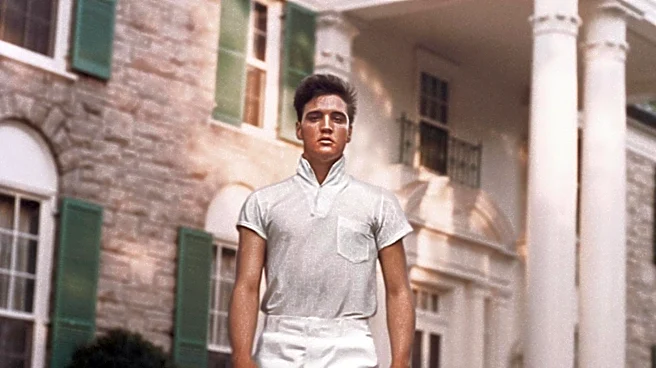
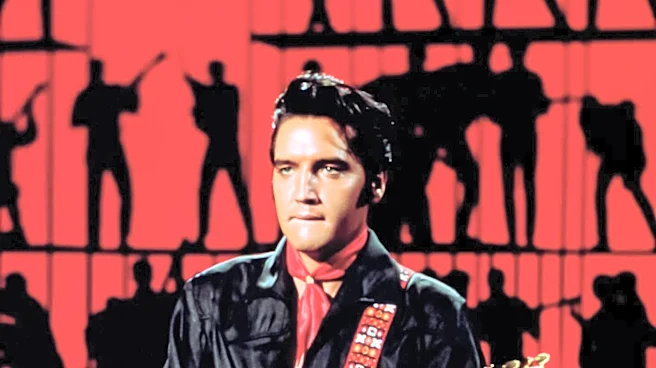
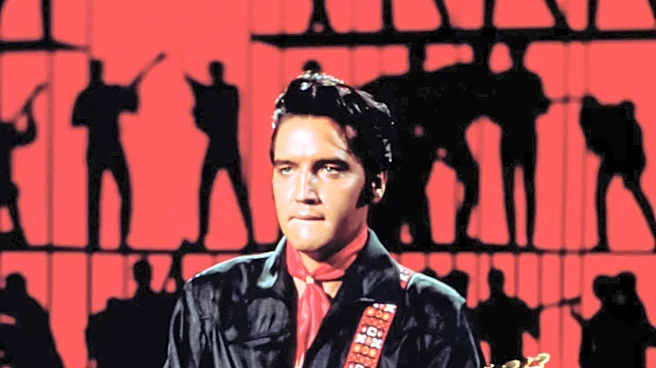
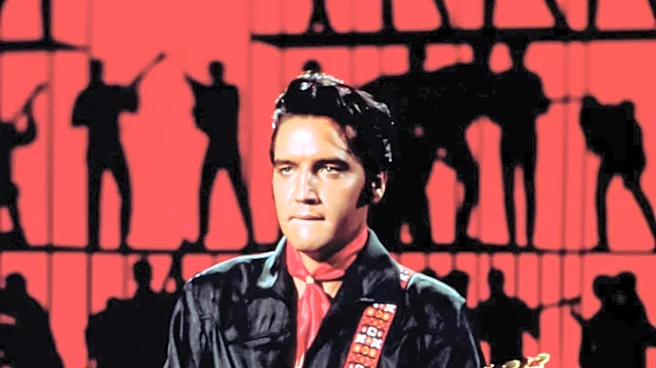
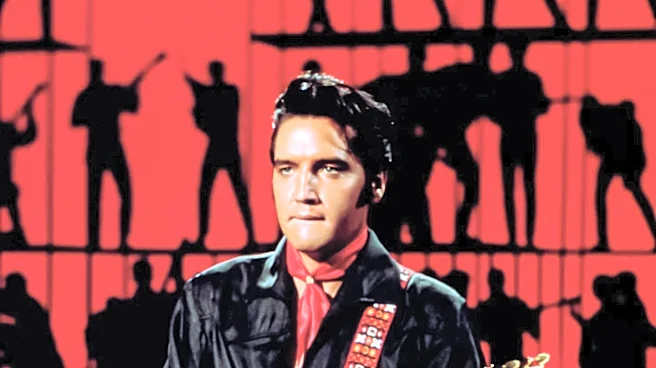
Rights holders associated with Elvis Presley's music catalog have filed a lawsuit against artificial intelligence company Anthropic in the U.S. District Court for the Northern District of California. The lawsuit, filed on October 23, 2026, alleges that
Anthropic used 274 copyrighted musical compositions, including lyrics from Presley's catalog, without authorization to train its Claude AI system. The plaintiffs, including ABG EPE IP LLC, Abilene Music LLC, and Raleigh Music Publishing LLC, are seeking $41.1 million in statutory copyright damages. They claim that Anthropic obtained copyrighted material from online sources and incorporated it into a central library for training Claude, thereby infringing on their exclusive rights under U.S. copyright law. The complaint also challenges Claude's ability to generate outputs that allegedly reproduce protected lyrics or mimic the structure of existing songs, arguing that such outputs could substitute for licensed uses and devalue their catalog. Anthropic has stated its intention to defend against these allegations.
Why It's Important?
This lawsuit is a significant development in the ongoing legal debate surrounding the use of copyrighted material to train generative AI systems. It adds to a growing wave of litigation that questions the legality of AI developers using creative works without explicit permission or licensing. The case highlights critical issues for both copyright owners and AI developers. For copyright owners, it underscores the importance of protecting their intellectual property in the digital age and controlling how their works are used and monetized by AI technologies. For AI developers, it reinforces the potential legal risks associated with their training datasets and the outputs their systems produce. The outcome of this case could influence future licensing practices, the interpretation of fair use in the context of AI training, and the overall legal framework governing copyrighted works in generative AI in the United States. The substantial damages sought also signal the financial stakes involved for both parties.
What's Next?
The lawsuit, ABG EPE IP LLC et al. v. Anthropic PBC, will proceed in the U.S. District Court for the Northern District of California. The plaintiffs have requested a jury trial, indicating a potentially lengthy legal battle. Anthropic is expected to formally respond to the complaint, likely asserting defenses such as fair use, which is a common argument in similar cases. The court will need to determine whether Anthropic's use of the copyrighted compositions for training constitutes infringement and whether Claude's outputs infringe upon the plaintiffs' rights. The case will also delve into allegations concerning the handling of copyright-related identifying information. The legal proceedings will likely involve extensive discovery and expert testimony regarding AI training methodologies and copyright law. The decision in this case could set precedents for how AI companies acquire and utilize data, potentially leading to new industry standards for licensing copyrighted content for AI development.
Beyond the Headlines
This lawsuit delves into the complex ethical and legal dimensions of artificial intelligence and intellectual property. Beyond the immediate financial claims, the case raises fundamental questions about authorship, originality, and the future of creative industries in an AI-driven world. If AI systems can generate content that closely mimics copyrighted works, it challenges traditional notions of artistic creation and compensation. The outcome could force a re-evaluation of copyright law to address the unique challenges posed by generative AI, potentially leading to new legislative efforts or judicial interpretations. It also highlights the tension between technological innovation and the protection of creators' rights. The debate extends to whether AI models are merely tools that learn from existing data or if their outputs constitute new, infringing works. This case, alongside others, will contribute to shaping the societal understanding and legal boundaries of AI's role in creative fields, impacting artists, musicians, and technology companies alike for years to come.