



What's Happening?
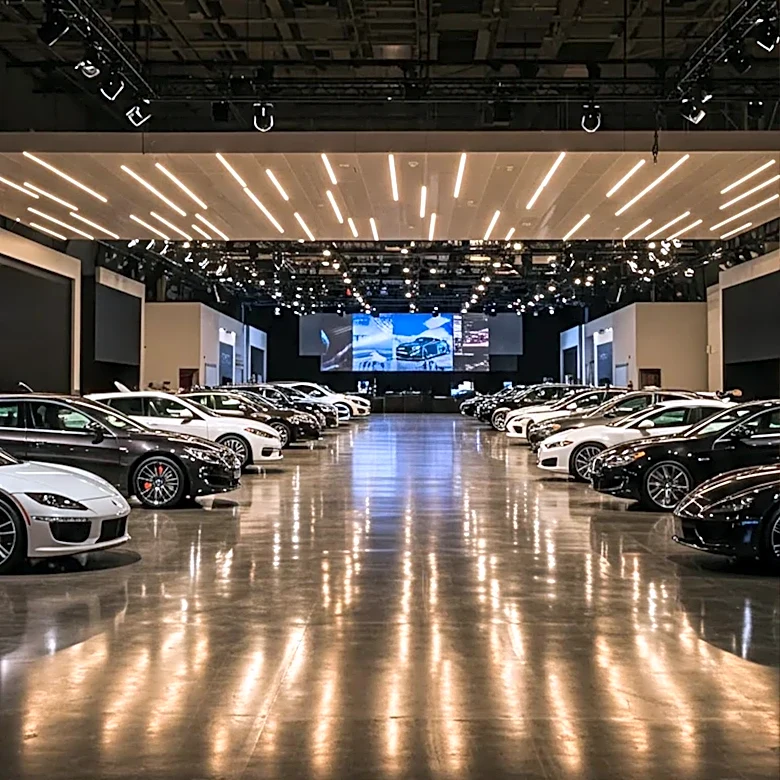
U.S. car dealerships are experiencing a significant shortage of electric vehicle (EV) models, with inventory levels considerably lower than a year ago. General Motors has reduced its EV production to mitigate losses, resulting in approximately half the
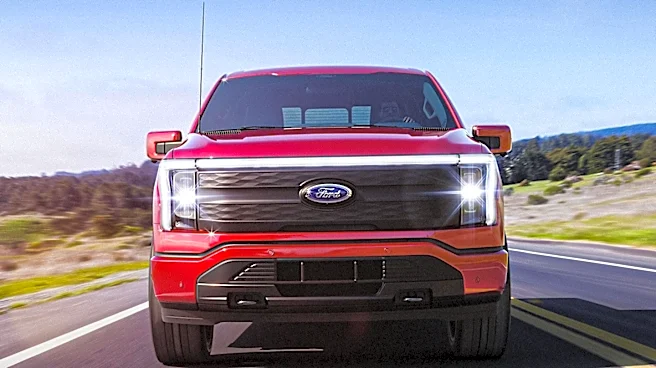
number of EVs available at its dealerships in October compared to the previous year. Ford Motor Co. has also scaled back its EV offerings, discontinuing the F-150 Lightning and seeing a 70% reduction in its EV inventory over the last 12 months. This comes as consumer interest in EVs has risen, with 83,300 new electric cars and trucks sold in October, an 11% increase from October 2025. Despite this growing demand, the overall EV inventory at U.S. dealers is down 38% from a year ago, according to S&P Global data. Experts like Gil Tal, director of the Electric Vehicle Research Center at UC Davis, suggest that actual consumer demand for EVs is higher than sales indicate, but is unmet due to limited supply.
Why It's Important?
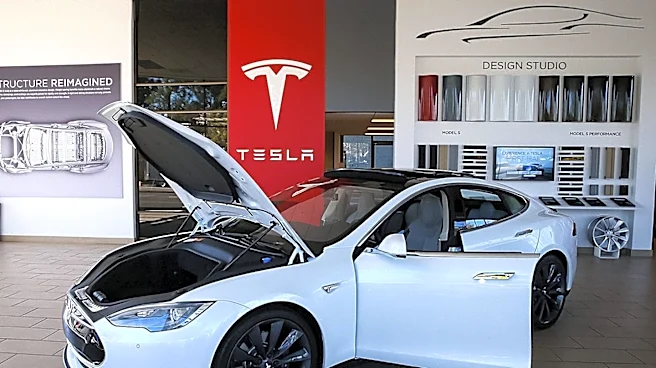
The current shortage of EV models in the U.S. market has significant implications for consumers, automakers, and the broader automotive industry. Consumers seeking to purchase EVs, especially more affordable models, are facing limited options, potentially delaying their transition to electric vehicles. For legacy automakers like GM and Ford, the decision to reduce EV production is driven by profitability concerns, as gas-powered vehicles currently offer higher margins. This strategy, however, risks ceding market share to companies like Tesla, which controls 58% of the U.S. EV market, and other brands like Rivian, Subaru, and Toyota that have introduced new models. The situation highlights a tension between automakers' short-term financial goals and the long-term growth of the EV market, potentially slowing the pace of EV adoption in the U.S. despite rising consumer interest driven by factors like fuel prices.
What's Next?
Automakers are signaling potential shifts in their EV strategies. Ford plans to launch an affordable electric pickup next year, aiming to address the current lack of options for consumers. General Motors has stated it is producing EVs in line with customer demand and is focused on optimizing its lineup for profitability, while also preparing for potential increases in EV penetration due to fuel prices. The availability of more affordable EV models will be crucial in meeting consumer demand and driving further adoption. Industry analysts, such as Stephanie Valdez Streaty of Cox, emphasize that the 'natural demand' for EVs is increasing, and the future trajectory will depend heavily on the types and quantities of electric vehicles produced and made available to consumers, beyond just pricing incentives.
Beyond the Headlines
The current EV inventory crunch reveals a deeper strategic dilemma for traditional automakers. While they aim to maximize revenue by prioritizing more profitable gas-burning vehicles, this approach could undermine their long-term competitiveness in the rapidly evolving automotive landscape. The reluctance to fully commit to high-volume, affordable EV production, even as battery prices decline, suggests a cautious approach to a market segment that still presents profitability challenges for many. This could lead to a bifurcated market where consumers either face limited choices or are pushed towards premium EV models, potentially exacerbating accessibility issues for a broader demographic. The situation also raises questions about the effectiveness of past federal incentives and how future policy might influence production decisions to better align with environmental goals and consumer demand.