





What's Happening?
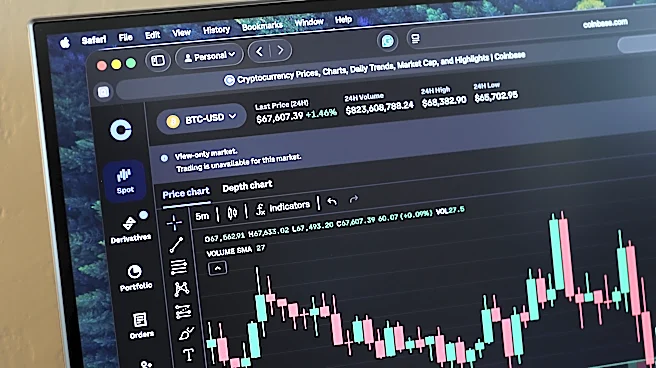
Deutsche Bank has officially launched its digital asset custody service for institutional and corporate clients in Europe, with the service going live for paying clients on November 11, 2026. The initial offering supports five digital assets: Bitcoin,
Ether, USDC, EURC, and EURAU. The bank will manage clients' digital wallets and private keys, aiming to provide a secure infrastructure for institutions to hold and transfer cryptocurrencies without needing to build their own custody solutions. The custody setup incorporates hardware-based private key protection, separate warm and cold storage environments, multi-person transaction approvals, segregation of responsibilities, and robust backup and recovery arrangements. This service is designed for institutional investors, corporations, asset managers, hedge funds, custodians, brokers, and sovereign institutions, explicitly excluding retail customers. The platform is built to operate within the European Union's Markets in Crypto-Assets (MiCA) regulatory framework, with Germany as the initial market and plans for cross-border servicing across Europe.
Why It's Important?
The launch of Deutsche Bank's institutional digital asset custody service marks a significant step in the mainstream adoption of cryptocurrencies by traditional financial institutions. By offering a regulated and secure custody solution, Deutsche Bank is addressing a major barrier for institutional investors who have been hesitant to enter the crypto market due to concerns about security, regulatory compliance, and operational complexities. This move could encourage more institutional capital to flow into digital assets, potentially increasing market liquidity and stability. For the broader financial industry, it signals a growing acceptance of digital assets as a legitimate asset class, prompting other major banks to consider similar offerings. The service's adherence to the MiCA framework also highlights the increasing importance of regulatory clarity in fostering institutional participation in the crypto space.
What's Next?
Deutsche Bank plans to expand its custody services beyond Germany, with intentions to extend the offering to financial hubs in Asia in 2027. The bank also aims to move beyond basic custody towards supporting tokenized financial instruments and digital asset settlement, viewing the current service as a foundational step towards a wider digital asset ecosystem. Furthermore, Deutsche Bank has signed a memorandum of understanding with Deutsche Asset Management (formerly DWS) to explore commercial and technical collaboration in the digital asset sector, including the potential launch of tokenized money market funds and crypto ETCs. This indicates a strategic long-term vision to integrate digital assets more deeply into its core financial services, potentially leading to new product offerings and increased institutional engagement with blockchain technology.
Beyond the Headlines
This development reflects a broader trend of convergence between traditional finance and the nascent digital asset industry. As major banks like Deutsche Bank enter the crypto custody space, it lends credibility to digital assets and could accelerate their integration into global financial markets. However, it also raises questions about the centralization of control over digital assets, as institutions become key custodians, potentially shifting the decentralized ethos of cryptocurrencies. The emphasis on regulatory compliance, particularly with MiCA, suggests a future where digital assets operate within established financial frameworks, which could both legitimize and constrain innovation. This move also highlights the competitive landscape among financial institutions vying to capture market share in the rapidly evolving digital asset economy, potentially leading to a race for more sophisticated and integrated crypto services.