







What's Happening?
Economist Richard Wolff analyzes the current economic landscape and the potential openings for leftist movements in 2026. He highlights the historical context of the United States' economic dominance post-World War II and the subsequent shifts that have
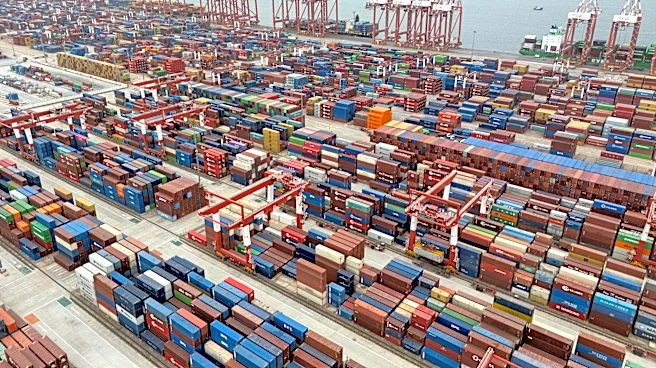
occurred. The US maintained its position as a global capitalist power, but faced challenges as other economies recovered and new economic systems emerged. Wolff discusses the exodus of manufacturing to countries like China, which offered lower wages and a growing consumer market, and the establishment of the petrodollar system, which tied global oil sales to the US dollar. These developments allowed the US to sustain its prosperity without raising taxes, despite increasing national debt.
Why It's Important?
Wolff's analysis sheds light on the structural changes in the global economy and their implications for US economic policy and international relations. The shift of manufacturing to countries with lower labor costs has had significant impacts on the US labor market, contributing to wage stagnation and economic inequality. The petrodollar system has allowed the US to finance its military and economic activities without immediate fiscal repercussions, but it also creates vulnerabilities due to reliance on foreign investment. Understanding these dynamics is crucial for policymakers and economic stakeholders as they navigate the challenges of maintaining economic stability and addressing social inequalities.
Beyond the Headlines
The economic strategies discussed by Wolff have broader implications for global power dynamics and the potential for leftist movements to gain traction. The reliance on the petrodollar system and foreign manufacturing highlights the interconnectedness of global economies and the potential for shifts in power as other nations, like China, continue to grow economically. These changes may provide opportunities for leftist movements to advocate for more equitable economic systems and challenge the dominance of neoliberal capitalism. The analysis also raises questions about the sustainability of current economic practices and the need for innovative approaches to address global economic challenges.