







What's Happening?
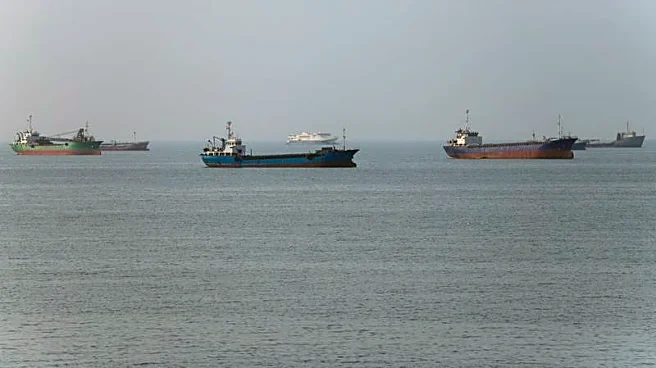
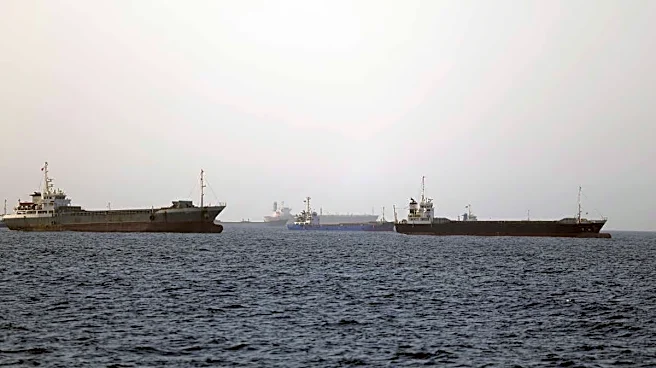
A potential peace agreement between the United States and Iran, coupled with the reopening of the Strait of Hormuz, is anticipated to exacerbate the global chemicals industry's oversupply issues, according to the Independent Commodity Intelligence Services
(ICIS). During the conflict, China played a significant role in mitigating production disruptions in the Middle East and Asia by boosting exports. However, as production normalizes, the market is expected to face an influx of additional volumes, further saturating already oversupplied markets. ICIS projects that global chemical overcapacity will reach 186 million tonnes by 2026, which could pressure operating rates, margins, and prices. Will Beacham, deputy editor at ICIS, noted that the increased supply might lead to further price reductions, with buyers potentially postponing purchases in anticipation of lower costs. Although the peace deal may alleviate supply concerns, a full return to normal market conditions is expected to take time, with crude oil logistics and petrochemical supply chains potentially taking months to recover.
Why It's Important?
The potential peace deal between the US and Iran could have significant implications for the global chemicals industry, particularly in terms of supply and pricing dynamics. The anticipated oversupply could lead to reduced prices, affecting the profitability of chemical producers worldwide. This situation may benefit buyers who could delay purchases to take advantage of lower prices, but it poses challenges for producers who may face squeezed margins and reduced operating rates. The recovery of supply chains, especially for petrochemicals, is crucial for stabilizing the market, but the prioritization of energy and fertilizers over chemicals could delay this process. The outcome of this situation could influence global trade patterns and economic strategies within the chemicals sector.
What's Next?
As the peace deal progresses, stakeholders in the chemicals industry will need to monitor developments closely. Companies may need to adjust their production and pricing strategies to navigate the anticipated oversupply and price pressures. The recovery of crude oil logistics and petrochemical supply chains will be critical, and industry players may need to advocate for prioritization in the restart process. Additionally, market participants will likely keep an eye on geopolitical developments and their potential impact on trade routes and supply chains. The industry may also explore opportunities for innovation and efficiency improvements to mitigate the effects of oversupply.