
What's Happening?
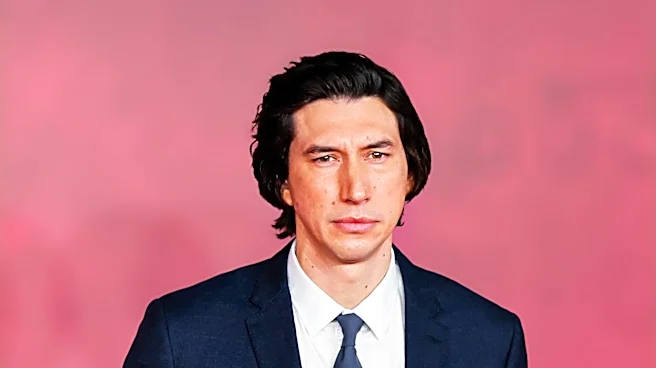
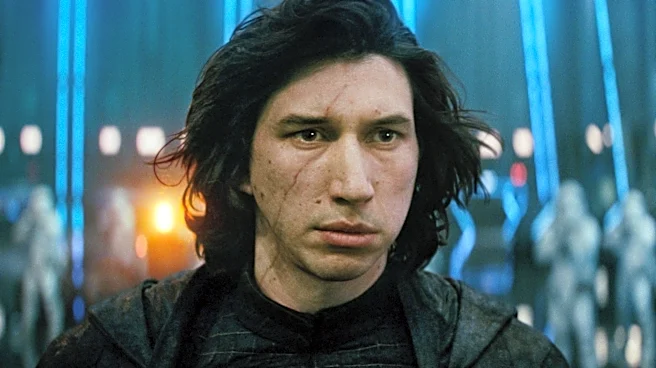
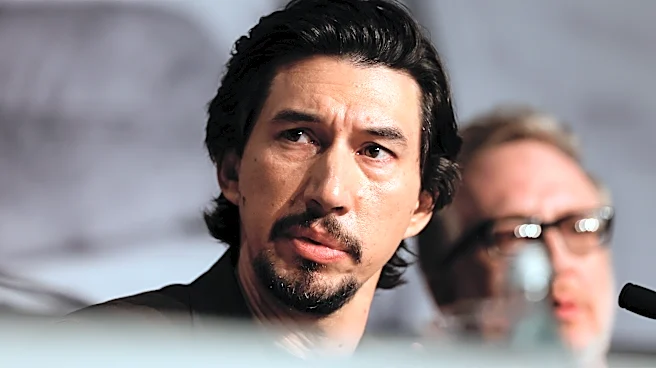
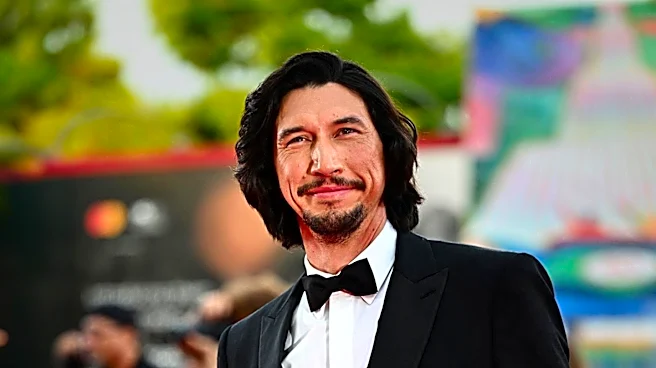
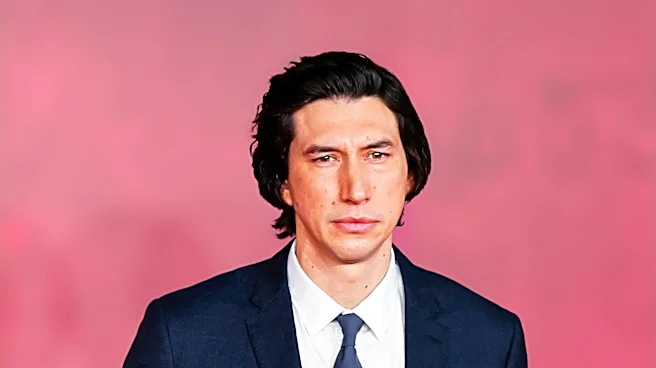
Actor Adam Driver revealed that a 'Star Wars' film centered on his character, Ben Solo (Kylo Ren), was rejected by Disney executives Bob Iger and Alan Bergman. Driver, along with director Steven Soderbergh
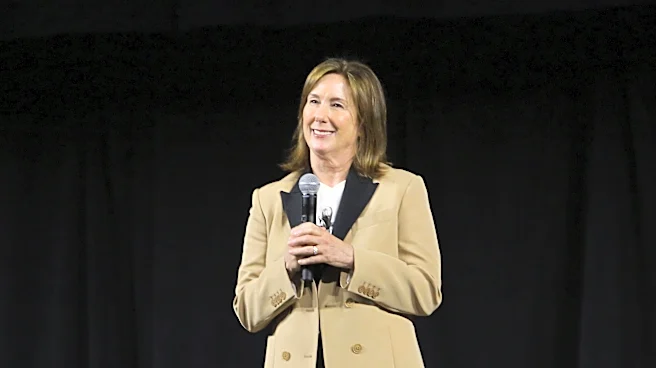
and writer Rebecca Blunt, worked on the project, titled 'The Hunt for Ben Solo,' for approximately two and a half years without pay. The team was reportedly confident in the project's approval due to assurances from Lucasfilm executives, including Kathleen Kennedy, who stated Lucasfilm had a 100% approval rate from Disney. The proposed film aimed to continue Ben Solo's story after the events of 'Star Wars: The Rise of Skywalker,' where the character seemingly died. However, Disney executives reportedly rejected the project because they could not understand how Ben Solo could be alive, contradicting the established narrative.
Why It's Important?
This decision highlights the significant creative control Disney executives exert over its major franchises, even when projects have strong internal backing from subsidiaries like Lucasfilm. The rejection of a project developed by high-profile talent like Adam Driver and Steven Soderbergh, after extensive unpaid work, underscores the risks involved in creative development within large corporate structures. It also reveals a potential disconnect between the creative vision of filmmakers and the corporate interpretation of established canon, particularly in a beloved franchise like 'Star Wars.' This incident could influence how future creative talent approaches projects within Disney, potentially leading to more upfront financial agreements or clearer communication regarding creative boundaries and character fates.
What's Next?
The 'The Hunt for Ben Solo' project is currently considered canceled, with Adam Driver expressing little hope for its revival, stating, 'I think that ship has sailed.' While the possibility of Ben Solo returning to the 'Star Wars' universe in other forms remains, Lucasfilm has not announced any official projects involving the character or Driver. The franchise continues to develop new cinematic stories, with 'The Mandalorian and Grogu' set for release in May 2026 and 'Star Wars: Starfighter' in May 2027. The decision to reject this specific project may lead to increased scrutiny of future 'Star Wars' narrative directions and how closely they adhere to established character fates.
Beyond the Headlines
The situation raises questions about the balance of creative freedom versus corporate oversight in major film franchises. The expectation that creators would work for an extended period without compensation, based on assurances of approval, points to a power dynamic where established intellectual property holders hold significant leverage. This incident could spark broader discussions within the entertainment industry regarding intellectual property rights, compensation for early-stage development, and the role of corporate executives in creative decision-making, especially when it involves altering or extending the narratives of iconic characters. It also underscores the challenge of satisfying both long-time fans and corporate mandates within expansive fictional universes.