







What's Happening?
The U.S. beverage market is experiencing significant innovation driven by celebrity-backed functional drink brands. Stars are increasingly lending their names and influence to products beyond traditional alcohol, focusing on health, wellness, and mindful
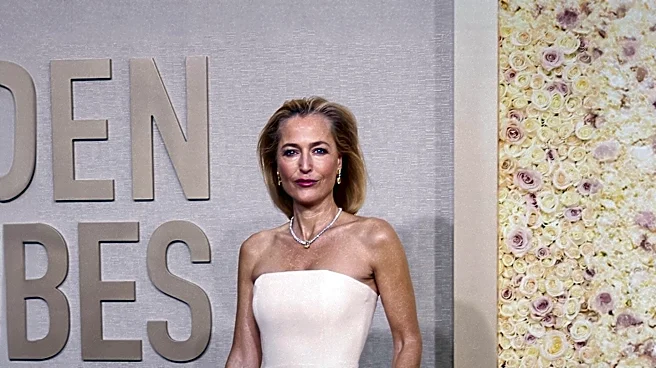
drinking. This trend is evident in the soaring demand for beverages promising benefits like gut health and improved sleep, making it one of the fastest-evolving segments globally. Brands like TRIP, with Kendall Jenner as a global ambassador and equity shareholder, are seeing substantial revenue growth, with calming drinks emerging as the fastest-growing functional beverage category. Similarly, Gillian Anderson launched G Spot, a range of functional drinks with adaptogens and nootropics, and Tom Holland introduced Bero, a premium non-alcoholic beer. These celebrity endorsements are capitalizing on a broader consumer shift towards healthier, functional alternatives to high-sugar and high-caffeine options, as well as the growing interest in alcohol-free choices.
Why It's Important?
This surge in celebrity-backed functional beverages signifies a major shift in consumer preferences within the U.S. market, impacting both the beverage industry and the broader wellness sector. The involvement of high-profile individuals like Kendall Jenner and Gillian Anderson provides these brands with immediate visibility and credibility, accelerating their market penetration and influencing purchasing decisions, particularly among younger demographics. The focus on health and wellness benefits, such as better sleep and gut health, reflects a growing consumer awareness and demand for products that contribute to overall well-being. This trend is pushing traditional beverage companies to innovate and adapt, either by developing their own functional lines or by acquiring stakes in successful celebrity-backed ventures, as seen with Heineken's investment in G Spot. The expansion into alcohol-free options also addresses a rising interest in mindful drinking, creating new market opportunities and challenging established alcohol brands.
What's Next?
The functional beverage market is expected to continue its rapid expansion, with more celebrities likely to enter the space, further diversifying product offerings and intensifying competition. Brands will likely focus on expanding their distribution channels, including wider supermarket availability, and introducing new product formats like gummies and powders, as TRIP has done with its Dream Gummies and Dream Powder. The emphasis on specific health benefits will become more refined, leading to specialized products targeting various aspects of wellness, from energy and immunity to stress reduction and cognitive function. Furthermore, collaborations between celebrity brands, such as Tom Holland's Bero and Robert Downey Jr.'s Happy Coffee, suggest a future of strategic partnerships to broaden product portfolios and reach new consumer segments. This trend will likely lead to increased investment in research and development for novel ingredients and formulations to meet evolving consumer demands.
Beyond the Headlines
Beyond the immediate market impact, the rise of celebrity-backed functional beverages highlights a deeper cultural shift towards personalized wellness and the commodification of health. Celebrities are no longer just endorsing products; they are becoming integral to the brand's identity and mission, blurring the lines between personal brand and product. This trend also raises questions about the efficacy and scientific backing of some functional ingredients, as consumer trust is heavily influenced by celebrity association. The increasing integration of adaptogens and nootropics into everyday beverages could normalize their consumption, potentially leading to broader acceptance and regulatory scrutiny. Moreover, the success of these brands underscores the power of social media and influencer marketing in shaping consumer trends, particularly among younger generations who are highly attuned to celebrity endorsements and wellness narratives. This phenomenon could also contribute to a more holistic approach to lifestyle, where diet, mental well-being, and physical health are interconnected and supported by accessible, functional products.