

What's Happening?
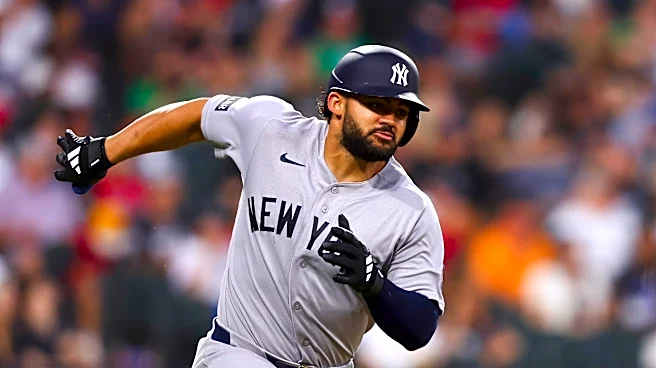
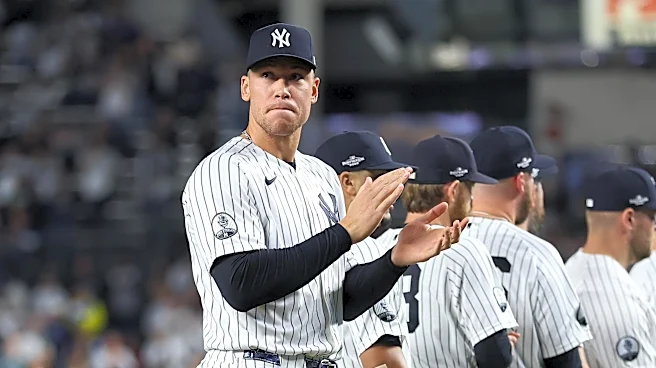
New York Yankees captain Aaron Judge reportedly had to 'sternly' address teammate Jazz Chisholm Jr. multiple times during the 2026 MLB season regarding his on-field conduct. According to reports from NJ.com's Randy Miller and Bob Klapisch, Judge confronted
Chisholm Jr. about behaviors he felt 'crossed the line.' These incidents included Chisholm Jr. being seen sucking on a lollipop while playing in the field and getting ejected from a game for berating an umpire. Despite Judge's interventions, Chisholm Jr. allegedly continued these actions throughout the season, which was marked by a disappointing performance for the Yankees. The team faced criticism for its clubhouse culture, especially after a poor postseason showing. Chisholm Jr.'s struggles on the field, combined with his controversial antics, made him a target of fan frustration, with some booing him by the end of the ALDS. This situation unfolded as Judge himself was under pressure as the team's captain, a role he assumed after Derek Jeter.
Why It's Important?
This situation highlights significant internal dynamics within a high-profile MLB franchise like the New York Yankees, impacting team cohesion and public perception. The reported confrontations between Aaron Judge and Jazz Chisholm Jr. underscore the challenges of leadership in professional sports, particularly when a captain's authority is seemingly disregarded. For the Yankees, a team with a storied history and high expectations, such internal discord can affect on-field performance and fan morale. Chisholm Jr.'s actions and subsequent struggles contributed to a season where the team underperformed despite strong pitching. The controversy also raises questions about accountability within the clubhouse and the effectiveness of player leadership versus managerial intervention. With Chisholm Jr. now a free agent, his behavior and the team's response to it will likely influence future roster decisions and the overall culture the Yankees aim to cultivate.
What's Next?
With Jazz Chisholm Jr. entering free agency, his future with the New York Yankees appears uncertain. Reports suggest the Yankees did not extend a qualifying offer, indicating his likely departure. This situation could lead to Chisholm Jr. seeking opportunities with another MLB team, potentially a division rival, as speculated by some sources. For the Yankees, the offseason will be crucial for addressing clubhouse culture and leadership dynamics. The team will need to decide whether to seek stronger player leadership, increase managerial intervention, or make significant roster changes to prevent similar issues in the future. Aaron Judge's role as captain will continue to be scrutinized, and his ability to influence team chemistry will be vital as the Yankees aim to rebound from a disappointing season and compete for a World Series title.
Beyond the Headlines
Beyond the immediate on-field implications, this situation touches upon broader themes of player accountability, leadership effectiveness, and team culture in professional sports. The debate over whether disciplinary responsibility lies with the team captain or the manager, as discussed by insiders like Randy Miller and Bob Klapisch, highlights a fundamental tension in sports management. While Judge's efforts to address Chisholm Jr.'s behavior demonstrate his commitment to his leadership role, the reported lack of lasting change raises questions about the limits of player-led discipline. This incident could prompt deeper discussions within the Yankees organization and across MLB about how teams foster a winning culture, manage player personalities, and ensure that individual actions align with collective goals. It also underscores the intense scrutiny faced by players in high-profile markets, where every action, on and off the field, is amplified and can impact a player's legacy and a team's reputation.