










What's Happening?
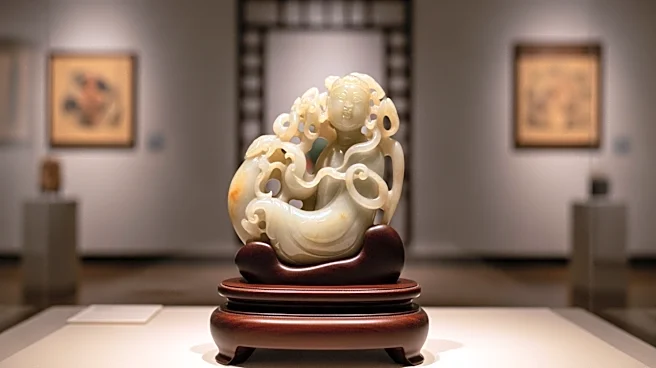
The market for Asian antiquities is experiencing a significant increase in interest from Millennial and Gen-Z collectors. According to recent reports, these younger generations have become a substantial part of the global Asian art market, with their
participation rising from 25% to over one-third since 2022. Auction houses like Sotheby’s and Christie’s have noted a marked increase in spending by these age groups, with Christie’s reporting that 40% of new buyers for Chinese ceramics and works of art are from these demographics. This trend is particularly strong in regions like mainland China, Taiwan, and Hong Kong, where spending has surged. The appeal of these antiquities lies in their historical value and the tangible connection they offer to the past, which resonates with collectors who are often self-made and approach art with a long-term, research-driven perspective.
Why It's Important?
The growing interest in Asian antiquities among younger collectors signifies a shift in the art market dynamics, potentially stabilizing a segment that offers more certainty compared to the volatile contemporary art market. This trend could lead to sustained growth in the antiquities market, providing a reliable investment avenue during uncertain economic times. The increased participation of younger collectors also suggests a cultural shift, as these individuals seek to connect with their heritage and invest in pieces that hold historical significance. This could lead to a broader appreciation and preservation of Asian cultural artifacts, influencing future market trends and the valuation of such works.
What's Next?
As the interest in Asian antiquities continues to grow, auction houses may expand their offerings and marketing strategies to cater to this younger demographic. This could include more educational initiatives to help new collectors navigate the complexities of provenance and authenticity. Additionally, the market might see an increase in the availability of smaller, more affordable pieces that appeal to first-time buyers. The ongoing engagement of Millennials and Gen-Z in this market could also encourage more cross-cultural exchanges and collaborations, further enriching the global art scene.
Beyond the Headlines
The rise in popularity of Asian antiquities among younger collectors may also have deeper cultural implications. It reflects a broader trend of younger generations seeking to reconnect with their cultural roots and history, which could influence other areas of cultural consumption and preservation. This interest in the past, juxtaposed with the rapid technological advancements of today, highlights a desire for tangible, authentic experiences in an increasingly digital world. The market's growth could also prompt discussions about the ethical considerations of collecting antiquities, such as the importance of provenance and the potential impact on cultural heritage sites.