
What's Happening?
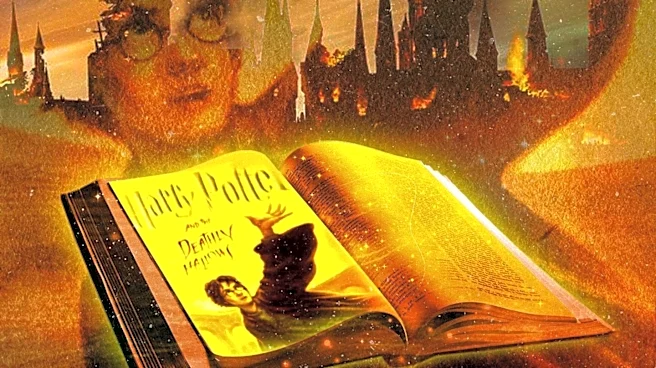
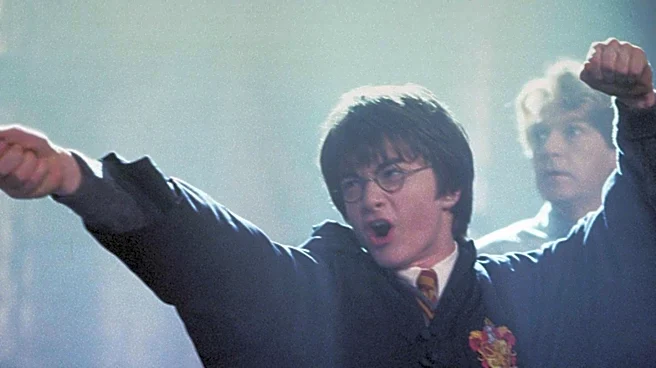
HBO's adaptation of the Harry Potter series has released a new scene online, depicting Harry and other Hogwarts students at a banquet in the Great Hall. The scene features John Lithgow as Dumbledore and Janet McTeer as McGonigal discussing Harry's resemblance
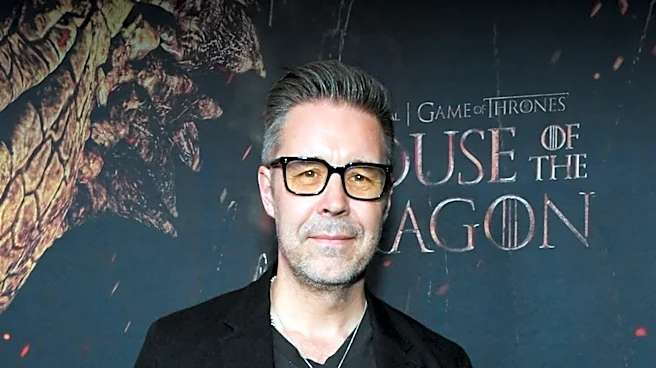
to his father. However, the footage has been met with overwhelmingly negative reactions from viewers. Many have criticized the scene's visual style, with some comparing it to an 'SNL skit' or a 'Harry Potter themed advert.' Viewers have expressed disappointment over a perceived lack of magic and charm, contrasting it with the 'organic warmth' of the original films. The series has already faced controversy, including criticism from original film director Chris Columbus and Professor Sprout actor Miriam Margolyes, as well as backlash against new cast members due to J.K. Rowling's anti-trans views. The cast includes Dominic McLaughlin, Alastair Stout, and Arabella Stanton as Harry, Ron, and Hermione, respectively, with Nick Frost as Hagrid, Paapa Essiedu as Severus Snape, Luke Thallon as Quirinus Quirrell, Paul Whitehouse as Argus Filch, and Katherine Parkinson as Molly Weasley. Warwick Davis is set to reprise his role as Professor Flitwick.
Why It's Important?
The negative reception to the new Harry Potter series scene is significant for HBO and the broader entertainment industry. The Harry Potter franchise holds immense cultural and financial value, and a poorly received adaptation could impact its long-term viability and fan engagement. The strong backlash from fans, particularly millennials who grew up with the books and original films, highlights the challenges of rebooting beloved franchises. This reaction could influence HBO's marketing strategies, potentially leading to adjustments in how future promotional content is released or even prompting re-evaluations of the series' creative direction. For the actors involved, such as Warwick Davis reprising his role, the controversy could overshadow their performances. The ongoing debate also underscores the sensitivity surrounding adaptations of popular intellectual properties, where audience expectations are exceptionally high, and any deviation from perceived authenticity can lead to widespread disapproval. The financial implications for HBO could be substantial if the series fails to attract a broad audience beyond the existing fanbase, especially given the significant investment in such a high-profile production.
What's Next?
Following the negative reception of the new scene, HBO and the production team for the Harry Potter series will likely face increased scrutiny as further promotional materials are released. The immediate next steps could involve a strategic response from HBO to address fan concerns, possibly through official statements or by releasing content that aims to reassure the audience about the series' quality and faithfulness to the source material. The series is still in production, and the full impact of this early backlash on its eventual viewership and critical reception remains to be seen. Future trailers, behind-the-scenes footage, or interviews with the cast and crew will be closely watched by fans and critics alike. The ongoing controversy surrounding J.K. Rowling's views may also continue to affect public perception and engagement with the series. The success or failure of this adaptation could set a precedent for how other major literary franchises are approached for television or film reboots in the future, influencing investment decisions and creative strategies across the industry.
Beyond the Headlines
The intense negative reaction to the HBO Harry Potter scene extends beyond typical fan critiques, touching upon deeper issues within the entertainment landscape. It highlights a growing tension between creators seeking to reinterpret beloved stories and an audience deeply invested in the original narratives. This phenomenon, often seen in reboots and remakes, raises questions about creative freedom versus fan expectations. The criticism that the scene felt like an 'advert' or an 'SNL skit' points to a broader concern about the perceived commercialization and lack of artistic integrity in some modern adaptations. Furthermore, the ongoing controversy surrounding J.K. Rowling's views adds a complex ethical layer, where some viewers may boycott the series regardless of its quality. This situation underscores how external factors, such as author controversies, can significantly impact the reception of a creative work. The debate also reflects a generational divide, with millennials expressing a strong sense of ownership over the Harry Potter narrative, making any perceived misstep feel like a personal affront. This cultural dynamic suggests that future adaptations of iconic works will need to navigate not just creative challenges but also complex social and ethical landscapes.