




What's Happening?
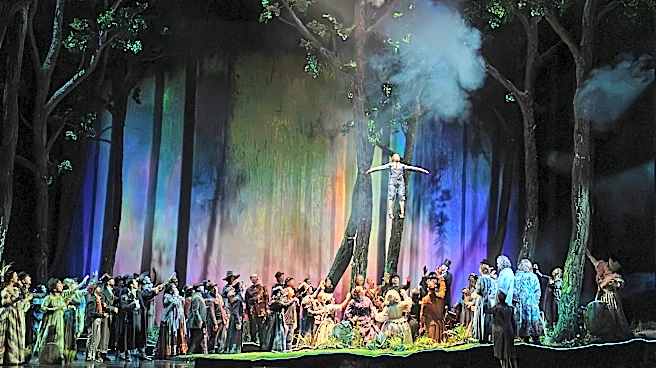
Reykjavík Opera Days is marking its tenth anniversary with a diverse program of staged opera, family performances, and international collaborations from October 25 to November 1. The festival's announcement includes the first Icelandic performance of Bartók’s
Bluebeard’s Castle, a significant cultural event for the country. Additionally, a new children’s opera, titled Bálrautt teppi úr bútasaum by Gísli Jóhann Grétarsson and Oda Fiskum, will have public performances at the Nordic House and Salurinn. The festival also features a Greenlandic–Nordic collaboration called Navaranaaq, which integrates Icelandic and Greenlandic material. Performances will take place across Reykjavík and neighboring municipalities, with key events scheduled at Harpa Concert Hall.
Why It's Important?
The tenth anniversary of Reykjavík Opera Days signifies a decade of growth and cultural enrichment for the performing arts scene in Iceland. The festival's commitment to premiering works like Bartók’s Bluebeard’s Castle introduces significant pieces of the global operatic repertoire to Icelandic audiences, broadening their cultural horizons. The inclusion of a new children’s opera is crucial for fostering an appreciation for opera among younger generations, ensuring the art form's future relevance and accessibility. International collaborations, such as the Greenlandic–Nordic project, promote cultural exchange and strengthen artistic ties between Nordic countries. This festival not only entertains but also educates and inspires, contributing to the vibrant cultural landscape of Reykjavík and solidifying its position as a significant cultural hub in the North Atlantic.
What's Next?
Following its tenth-anniversary celebrations, Reykjavík Opera Days will likely continue to build on its reputation for innovative programming and international partnerships. The success of this year's premieres and collaborations could pave the way for future commissions and cross-cultural projects. The festival's focus on family-friendly performances suggests a continued effort to engage diverse audiences, which may lead to further development of educational outreach programs. Organizers will likely assess the impact of the Bartók premiere and the new children's opera to inform future artistic directions. The festival's ongoing role in the broader Icelandic opera scene, alongside the separate National Opera company, indicates a dynamic and evolving environment for operatic arts in the region.
Beyond the Headlines
The sustained success of Reykjavík Opera Days for a decade reflects a broader trend in smaller nations to cultivate and promote unique cultural identities through the arts. By blending classic international works with new, locally relevant productions and fostering Nordic collaborations, the festival demonstrates a strategic approach to cultural development. This initiative not only enriches the local community but also positions Reykjavík as a destination for cultural tourism, contributing to the city's global appeal. The emphasis on accessibility, particularly through children's opera, highlights a progressive vision for the arts, aiming to democratize cultural experiences and ensure their longevity. This model could serve as an inspiration for other regions looking to strengthen their cultural institutions and engage a wider audience.